Engineered to meet European safety, sanitary, and tensile load directives, our elite range of material handling systems provides optimized workflow throughput across multiple industrial domains.
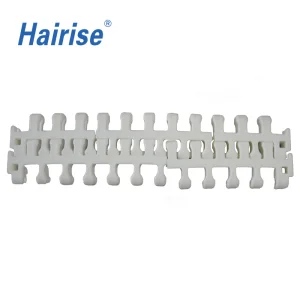
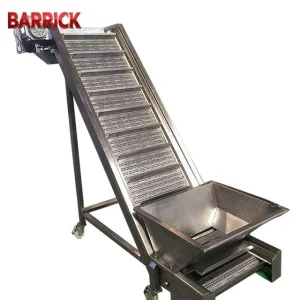
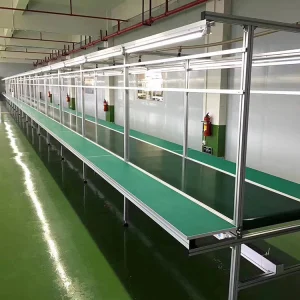
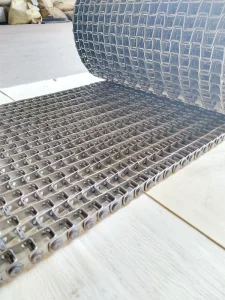
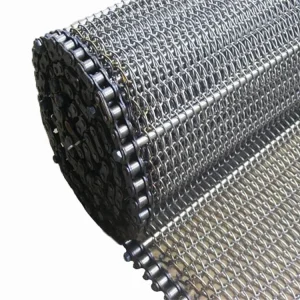
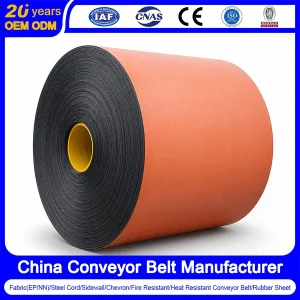
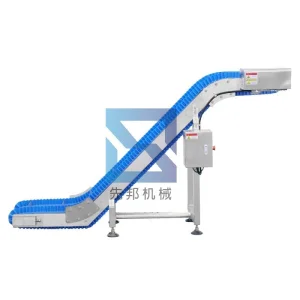
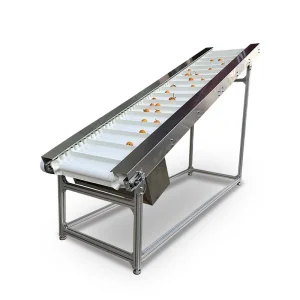
In modern industrial logistics, automated assembly, mining extractions, and food-grade supply lines, the conveyor system is the primary artery of operation. High productivity, minimized downtime, and operational longevity require superior structural integrity in rubberized belting elements. Dongguan Trakkx Tech Co., Ltd. is a professional China conveyor belt manufacturer specializing in industrial material handling and conveying solutions for a wide range of industries worldwide. With years of experience in conveyor technology, we provide reliable, efficient, and customized conveyor systems that help businesses optimize production processes, improve workflow efficiency, and reduce operational costs.
Our product portfolio includes conveyor belts, belt conveyor systems, modular conveyors, roller conveyors, inclined conveyors, assembly line conveyors, packaging conveyors, and customized material handling equipment. Designed to meet the demanding requirements of modern manufacturing environments, our solutions are widely used in logistics, food processing, electronics, automotive, warehousing, packaging, pharmaceuticals, and industrial production facilities.
When engineering procurement departments source structural rubberized belts and modular conveyor components, simple structural durability is insufficient. Compliance with local regulations—specifically the European Union's Conformité Européenne (CE) directives—is essential for legal operation, safety risk mitigation, and cross-border customs clearance. For a rubberized belt supplier or factory, obtaining CE certification means meeting rigorous standards for health, safety, and environmental protection.
The core components of CE compliance for conveyor belts include mechanical safety guidelines (Machinery Directive 2006/42/EC), electrostatic discharge (ESD) safety protocols (ATEX Directive 2014/34/EU for explosive environments), and material chemical safety. For rubberized conveyor belts, compliance with European REACH standards prevents the migration of toxic plasticizers, lead, or dangerous vulcanization agents from the rubber compounds into surrounding environments. This is particularly vital in close-quarters assembly plants, packaging factories, and food processing lines.
| Regulatory Directive | Applicable Standard | Primary Engineering Target | Mandatory Verification Metric |
|---|---|---|---|
| Machinery Directive 2006/42/EC | EN ISO 12100:2010 | Overall Mechanical System Security | Zero-risk trapping points, physical guarding integration |
| ATEX Directive 2014/34/EU | EN ISO 284:2012 | Combustible Dust & Explosion Safety | Antistatic surface resistivity < 3.0 × 10⁸ Ω |
| Food Safety Regulation (EC) 1935/2004 | EU 10/2011 | Direct Contact Sanitary Security | Global migration limits < 10 mg/dm² on contacting surfaces |
| Harmonized Conveyor Standards | EN 620:2021 | Continuous Bulk Material Safety | Structural dynamic load capacities and edge stability |
The classic rubber belt has evolved from basic natural gum sheets into a multi-layered composite engineering structure. Modern industrial workflows dictate that rubberized belts display extreme resistance to abrasion, ozone cracking, heat aging, dynamic flexing, and strong chemical solvents. Factories utilize various base polymer elastomers depending on the target installation environment.
Natural Rubber (NR) & Styrene-Butadiene (SBR) blends: The standard selection for heavy bulk handling in mining, cement processing, and aggregate quarries. These compounds offer high tear strength and exceptional cut-and-gouge resistance, especially when conveying coarse, sharp rocks or metallic ores.
Nitrile Butadiene Rubber (NBR): Formulated for applications where mineral, animal, or vegetable oils are present. Standard rubber swell in the presence of oils leads to tracking misalignment, edge delamination, and top-cover softening. NBR maintains stable physical properties, making it optimal for food processing and scrap metal recovery.
Ethylene Propylene Diene Monomer (EPDM): The material of choice for high-temperature applications. When handling hot foundry sand, clinker, or chemical fertilizers exceeding 120°C, EPDM resists the cross-linking and hardening that causes micro-fractures in standard rubber compounds.
Utilizing high-modulus synthetic fabrics like Polyester-Polyamide (EP) or Nylon-Nylon (NN). These fabrics deliver low longitudinal elongation combined with transverse flexibility for reliable troughability in deep-trough bulk conveyors.
For long-distance conveyors where tension requirements exceed the capability of fabric plies, steel wire cords are integrated lengthwise. These provide high tensile strength and minimal stretch over spans exceeding 100 meters.
Applying molded, solid rubber edges during the vulcanization process prevents ambient moisture penetration into the inner fabric carcass, eliminating ply separation and premature edge wear.
Purchasing managers and industrial OEM designers frequently face challenges when sourcing industrial belting from global factories. Key concerns include unpredictable tensile performance, delayed shipment schedules, lack of localization engineering support, and non-compliance with national importing parameters. Dongguan Trakkx Tech Co., Ltd. addresses these concerns directly by combining engineering expertise with advanced manufacturing capabilities to deliver high-performance conveying systems tailored to specific customer applications.
Our experienced technical team works closely with clients throughout the entire process, from project consultation and system design to prototyping, production, installation support, and after-sales service. We recognize that minimizing the "Total Cost of Ownership" (TCO) is a priority for procurement managers. TCO is optimized by decreasing installation times, lengthening replacement intervals, and reducing energy losses from drive pulleys. By using precision-molded rubber profiles and consistent vulcanization processes, Trakkx Tech reduces belt slip and tracking issues, which in turn lowers power draw and system wear.
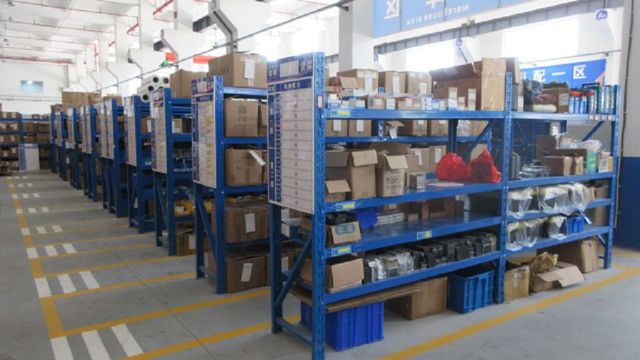
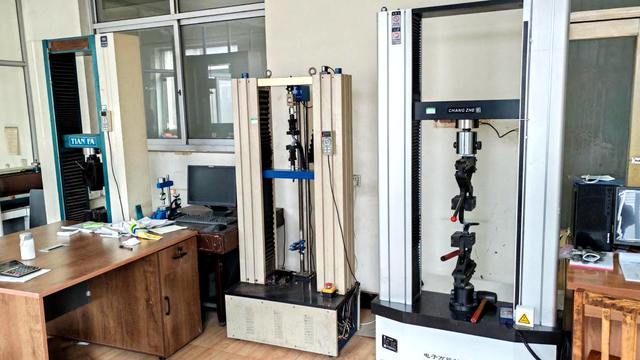
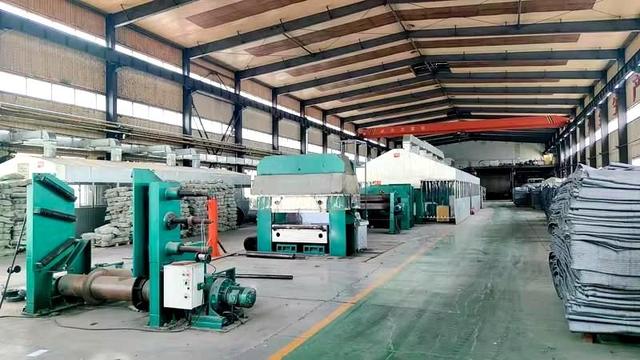
Our facility uses automated calendering lines, heavy-duty vulcanizing presses, and computer-controlled tension testing. This infrastructure helps ensure flat surface consistency, precise width parameters, and uniform vulcanization density throughout the belt length.
Additionally, Dongguan Trakkx Tech Co., Ltd. offers flexible OEM and ODM services for global distributors, system integrators, equipment manufacturers, and industrial brands. We are committed to providing innovative conveying solutions that adapt to evolving industry needs and support long-term business growth.
Industrial operations require customized belting geometries and chemical formulations rather than a single standardized solution. Trakkx Tech addresses these diverse application requirements through targeted product configurations:
For mining and cement processing, our belts incorporate steel cord reinforcements and thick, wear-resistant rubber covers. These components are designed to withstand high impact drops, abrasive ores, and continuous outdoor operation under varying weather conditions.
We provide food-grade belts made with oil-resistant blue PTFE or anti-bacterial rubber polymers. These belts are engineered to prevent oil absorption and microbial growth, facilitating sanitary washdowns in meat, poultry, and baking facilities.
Our luggage handling belts focus on low-noise operations, flame retardant properties (conforming to DIN EN 12882), and reliable friction coefficients. These characteristics support package tracking and airport baggage handling system performance.
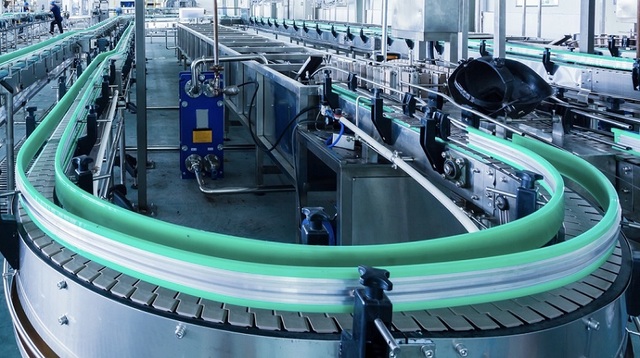
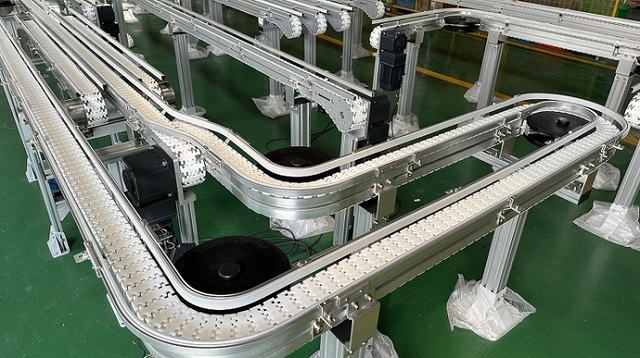
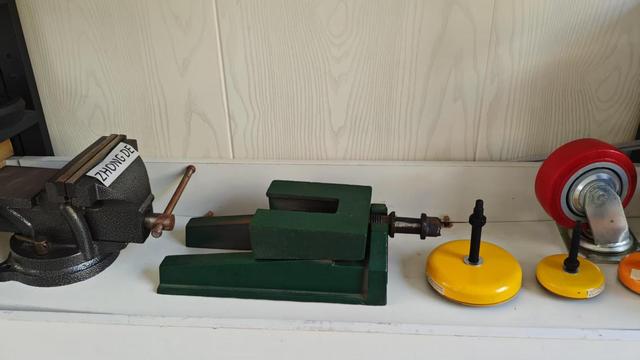
Conveyor system integration is moving toward predictive maintenance and real-time monitoring. The integration of sensors into rubberized belts represents a key development in reducing unscheduled operational stoppages.
RFID & Rip Detection: Embedded high-frequency transponders and loop sensors within the inner rubber plies allow the conveyor frame readers to detect structural tears instantly. If a metallic foreign object punctures the belt, the system automatically shuts down, preventing longitudinal damage.
Energy-Saving Elastomers (EOR): Developing rubber compounds with lower indentation rolling resistance reduces energy consumption at the primary drive motor. This can lower the electrical demands of long-distance mining conveyors by up to 15%.
Bio-sourced & Recyclable Polymers: Trakkx Tech is researching biodegradable vulcanization accelerators and incorporating post-consumer recycled elastomers into non-structural support layers, aligning with global carbon reduction initiatives.
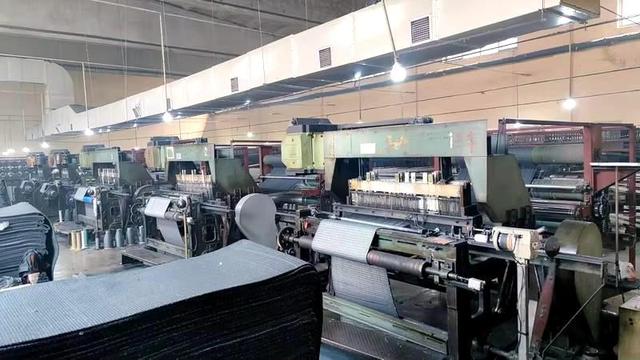
Our manufacturing facility is equipped with modern production equipment and strict quality control systems to ensure durability, reliability, and consistent performance. Every conveyor solution undergoes comprehensive testing and inspection before delivery, helping customers achieve smooth and uninterrupted material handling operations. Serving customers across North America, Europe, Southeast Asia, the Middle East, and other international markets, Trakkx Tech has established a reputation for quality, efficiency, and customer-focused service. Our mission is to become a trusted global partner for advanced conveyor belt systems and intelligent material handling solutions.
To assist international engineers, we provide comprehensive documentation for our conveyor systems. This includes finite element analysis (FEA) tracking curves, vulcanization test logs, splice layout guides, and safety procedures. By providing this documentation upfront, we assist client engineering teams with the installation, commissioning, and validation processes required by local safety authorities.
Professional engineering responses to critical questions frequently raised by design engineers and procurement directors.
CE-certified rubberized belts undergo testing to verify mechanical safety, flame retardancy (under EN 12882), and anti-static parameters (under ISO 284). These evaluations help ensure the belting material does not accumulate hazardous static charges, remains self-extinguishing in fire scenarios, and is free from restricted chemicals in accordance with REACH directives.
EP (Polyester warp / Polyamide weft) fabrics exhibit lower structural elongation under tension compared to NN (Nylon/Nylon) fabrics. This reduces take-up stroke requirements, making EP suitable for long-distance conveyors. NN fabrics offer high impact resistance and flexibility, making them suitable for high-impact transition points and tight-radius troughing profiles.
For oil-laden environments (such as machining waste or oilseed processing), high-nitrile (NBR) compounds are recommended to prevent cover swelling. For temperatures exceeding 100°C, EPDM compounds are preferred, as they resist heat-induced cracking and hardening compared to standard SBR rubber covers.
We use a molded edge process during high-pressure vulcanization. This creates a solid rubber border that seals the internal fabric plies against moisture ingress and physical abrasion, reducing the risk of delamination compared to cut-edge belts.
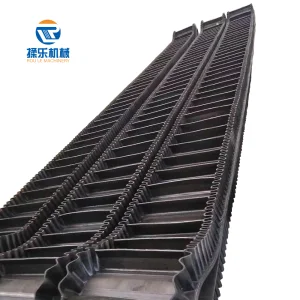
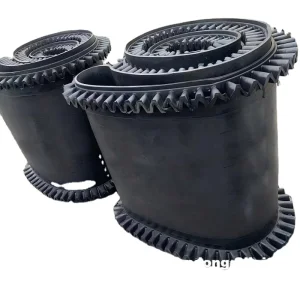
We use hot vulcanization techniques under controlled pressure and temperature to attach sidewalls and cleats. This process cross-links the rubber molecules, resulting in higher bond strength and peel resistance compared to cold-bonding methods.
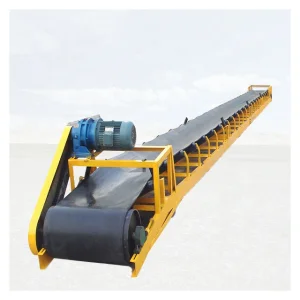
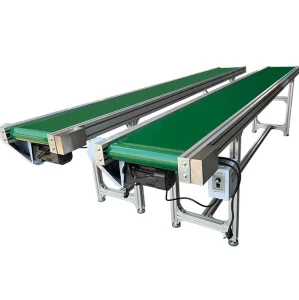
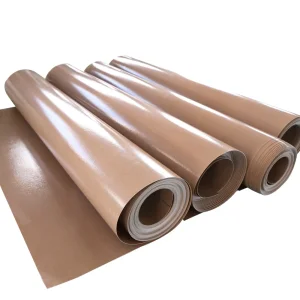
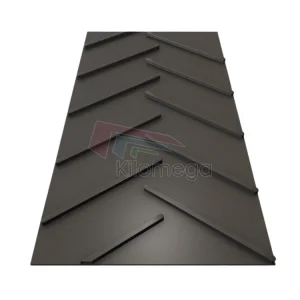
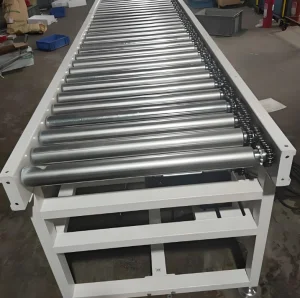
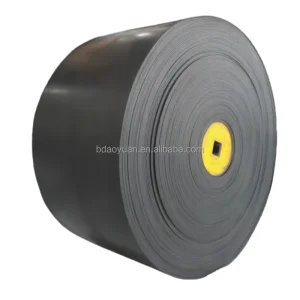
Explore our line of modular, chemical-resistant, and high-incline conveyor belts developed for demanding industrial applications.
 Trakkx Tech