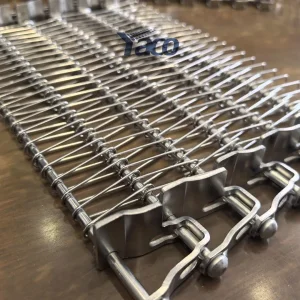
Explore our high-performance smooth surface and specialized modular industrial belts designed to optimize workflows.
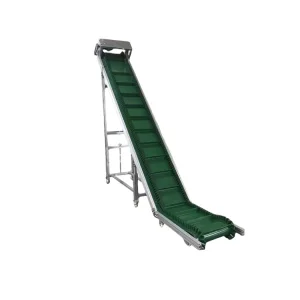
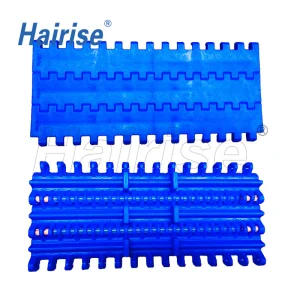
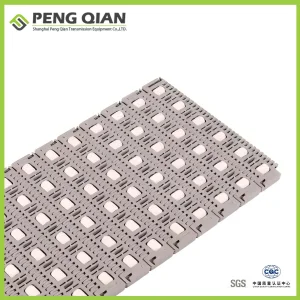
In modern industrial manufacturing and automation handling, the reliability, friction characteristics, and surface integrity of conveyor belts are foundational metrics for line throughput. Among various options, smooth surface belts represent the backbone of horizontal and moderately inclined transport applications. Characterized by their flat, high-density, and continuous surface, these belts minimize friction differentials, eliminate product accumulation, and allow for high-speed lateral sortation, diverter actions, and precision accumulation without surface marking.
"Optimizing material handling throughput isn't just about speed; it's about the precision of friction interfaces. The choice of elastomer and surface micro-texture directly dictates the energy footprint and the lifespan of the conveying system."
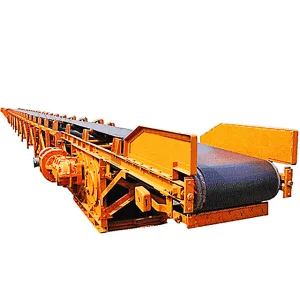
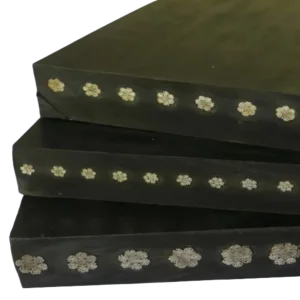
The global demand for high-quality conveyor belts is scaling rapidly, driven by the logistics explosion (e-commerce hubs), high-capacity bulk mining, agricultural processing scale-ups, and the food safety compliance standards enforced in North America and the European Union. In heavy-duty industries like iron and steel manufacturing, coal logistics, and aggregate crushing, smooth surface conveyor belts designed with high tensile steel cord reinforcements (such as ST800 to ST4000) are crucial. Their smooth profiles eliminate regional stress points, preventing material accumulation that can lead to tracking issues or structural wear over kilometers of continuous operations.
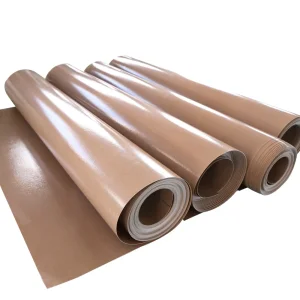
Conversely, in ultra-hygienic and high-precision contexts—such as semiconductor assembly, electronics sorting, and automated food packing lines—the focus shifts from tensile strength to chemical resistance, dimensional stability, and anti-static execution. Smooth surface belts formulated from PU (Polyurethane), PVC (Polyvinyl Chloride), and PTFE (Polytetrafluoroethylene) are chosen for their ease of cleaning, lack of crevices where bacterial colonies can proliferate, and resistance to organic fats, heavy oils, and aggressive solvents.
| Belt Base Material | Surface Properties | Standard Operations Temp | Key Applications | Compliance Marks |
|---|---|---|---|---|
| Steel Cord Rubber (e.g. ST Series) | Smooth, High Impact Resistance | -30°C to +150°C (Heavy Duty) | Mining, Coal, Ore Transport, Aggregates | ISO 5048, DIN 22131 |
| Polyurethane (PU) | Non-porous, Wear & Cut Resistant | -20°C to +90°C | Food Processing, Bakery, Pharma, Electronics | FDA, EU 10/2011, USDA |
| PTFE Plain Woven | Anti-adhesive, Oil & Chemical Inert | -70°C to +260°C | Industrial Baking, Drying, Curing Chambers | FDA, RoHS |
| ESD PVC (Anti-Static) | Conductive, Flame Retardant | -10°C to +80°C | Electronics Assembly, Package Sorting | EN 61340, ISO 284 |
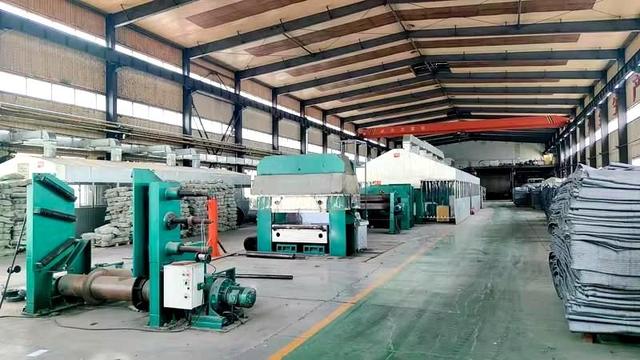
The global industrial supply chain increasingly relies on China's manufacturing clusters for advanced conveying components. Factories located in industrial centers like Dongguan combine extensive raw material supply networks with high-precision fabrication. The efficiency of a premier Chinese manufacturer is not merely built on cost optimization, but on several technological advantages:
Conveying requirements vary significantly across different operational environments. The choice of belt thickness, reinforcement ply, cover compound grade, and bottom profile is highly application-specific:
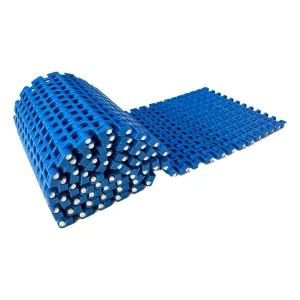
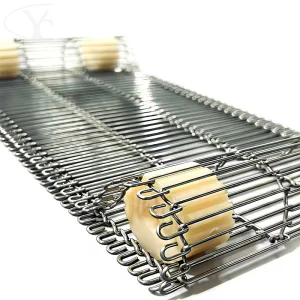
Sanitation is paramount. Products like the *Har1600t Series Modular Flat Top* and *PTFE Woven Conveyor Belts* prevent bacteria accumulation, resist oils, and handle extreme hot or cold processes (cooking/freezing corridors).
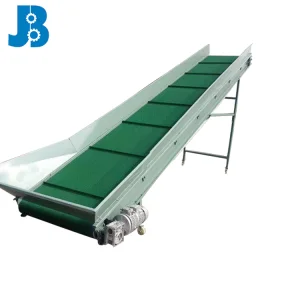
E-commerce hubs require minimal sound output and anti-static performance. Smooth surface PVC belts with bare woven bottoms lower operational noise levels and minimize electricity buildup on high-speed lines.
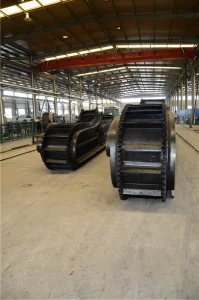
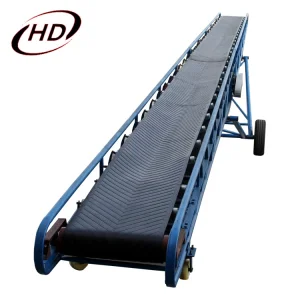
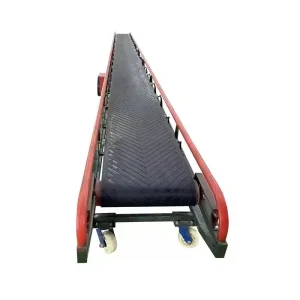
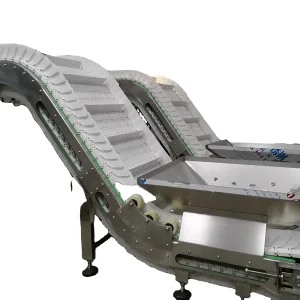
In heavy environments like stone crushing and metal ore lines, high-tension *ST Steel Cord Belts* and *V-Shape mobile elevators* manage high impact, severe friction, and steep angles with high durability.
The industrial conveyor system sector is shifting toward energy-efficient, smart-monitoring, and environmentally friendly solutions. Key trends reshaping modern production lines include:
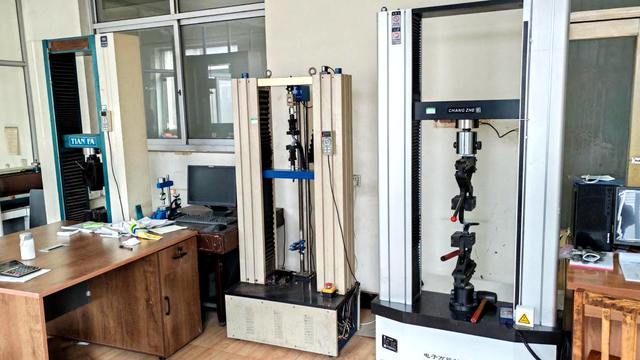
For international buyers and procurement officers, selecting the right smooth surface belt supplier requires balancing unit costs with long-term durability. The Total Cost of Ownership (TCO) should guide purchasing decisions: a cheap conveyor belt that causes line downtime due to structural failure is costly. When auditing a supplier, verify their dynamic testing equipment (e.g., dynamic splice testers, elastomer rheometers), ensure their compliance documents are up to date, and confirm their ability to provide custom splicing training or on-site support.
Discover Dongguan Trakkx Tech Co., Ltd.—your trusted global partner for advanced conveyor belt systems and intelligent material handling solutions.
Dongguan Trakkx Tech Co., Ltd. is a professional China conveyor belt manufacturer specializing in industrial material handling and conveying solutions for a wide range of industries worldwide. With years of experience in conveyor technology, we provide reliable, efficient, and customized conveyor systems that help businesses optimize production processes, improve workflow efficiency, and reduce operational costs.
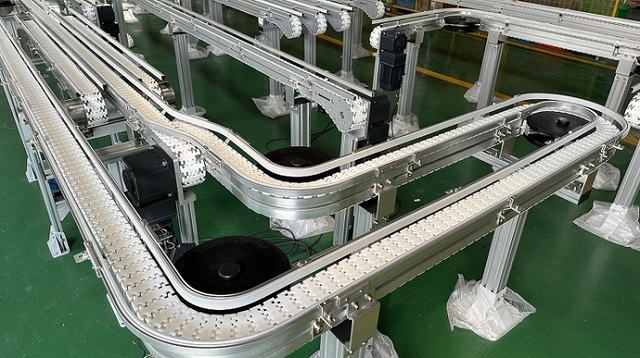
Our product portfolio includes conveyor belts, belt conveyor systems, modular conveyors, roller conveyors, inclined conveyors, assembly line conveyors, packaging conveyors, and customized material handling equipment. Designed to meet the demanding requirements of modern manufacturing environments, our solutions are widely used in logistics, food processing, electronics, automotive, warehousing, packaging, pharmaceuticals, and industrial production facilities.
At Trakkx Tech, we combine engineering expertise with advanced manufacturing capabilities to deliver high-performance conveying systems tailored to specific customer applications. Our experienced technical team works closely with clients throughout the entire process, from project consultation and system design to prototyping, production, installation support, and after-sales service.
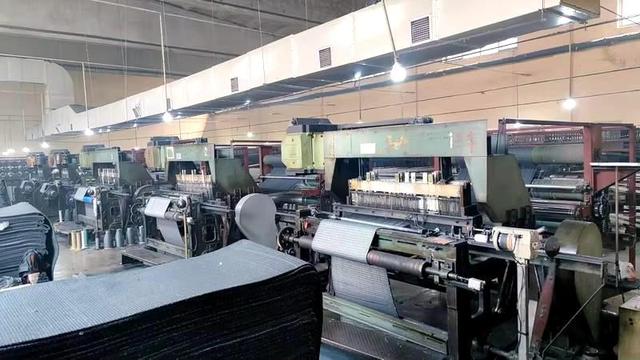
Our manufacturing facility is equipped with modern production equipment and strict quality control systems to ensure durability, reliability, and consistent performance. Every conveyor solution undergoes comprehensive testing and inspection before delivery, helping customers achieve smooth and uninterrupted material handling operations.
In addition to standard products, Dongguan Trakkx Tech Co., Ltd. offers flexible OEM and ODM services for global distributors, system integrators, equipment manufacturers, and industrial brands. We are committed to providing innovative conveying solutions that adapt to evolving industry needs and support long-term business growth.
Serving customers across North America, Europe, Southeast Asia, the Middle East, and other international markets, Trakkx Tech has established a reputation for quality, efficiency, and customer-focused service. Our mission is to become a trusted global partner for advanced conveyor belt systems and intelligent material handling solutions.
Find answers to common engineering questions regarding the customization, maintenance, and material selection of industrial belts.
Explore our extended range of heavy-duty, food-grade, and high-temperature material handling components.
 Trakkx Tech