Engineered to withstand intense mechanical stress, chemical exposure, and diverse temperature variations across modern production floors.
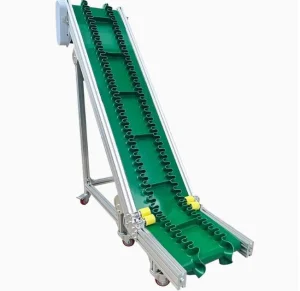
Understanding mechanical load limits, modular configurations, and key engineering variables for modern production ecosystems.
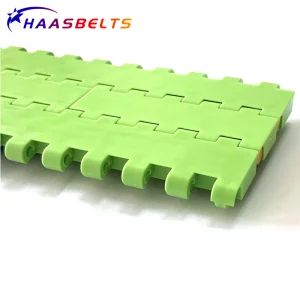
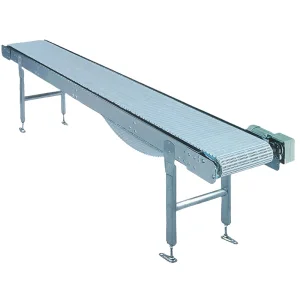
In the modern manufacturing landscape, material handling represents the circulatory system of production. Traditionally, heavy-duty conveying systems relied on heavy, continuous rubber or fabric-reinforced belts. However, these systems present structural liabilities: vulcanized seams can break, tracking errors lead to lateral edge wear, and localized damage requires replacing the entire belt run. Heavy-duty modular belts solve these problems by using injection-molded plastic modules connected in an interlocking brick-lay pattern with full-length hinge pins.
This design changes the stress distribution within the conveyor structure. Because the tension is distributed across the entire interlocking width rather than a single continuous layer, modular belts offer high load-carrying capacity and durability. If localized damage occurs (such as impact damage from heavy tooling or agricultural machinery), maintenance teams can quickly replace only the affected modules. This reduces downtime from hours or days to minutes.
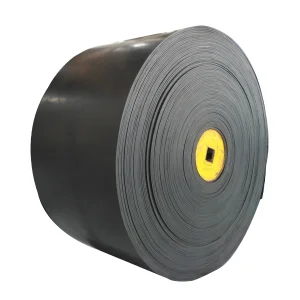
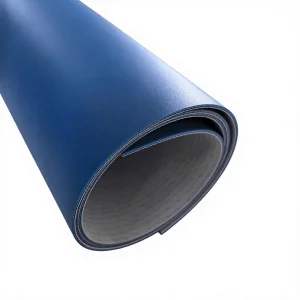
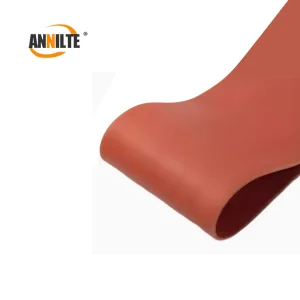
For factory design engineers, deciding between modular plastic belts and traditional flat-belt designs involves analyzing mechanical limitations, environmental factors, and sanitization protocols. While traditional PVC or polyurethane conveyor belts are suitable for lightweight and standard-load packaging, they can struggle in high-load, high-impact, or corrosive conditions. The rigid, engineered polymers used in modular belts provide structural integrity, preventing belt stretching and slippage even under heavy loads.
| Performance Dimension | Traditional Rubber / PVC Belt | High-Performance Modular Belt | Engineering Benefit |
|---|---|---|---|
| Load Tracking Mechanism | Frictional contact with pulleys (susceptible to side slip) | Positive sprocket-driven teeth (locked alignment) | Prevents tracking slip; reduces structural chassis damage. |
| Damaged Repair Protocol | Requires structural vulcanization or complete replacement | Single-module replacement (on-site interlocking pins) | Reduces unplanned downtime and lowers maintenance costs. |
| Cleanability & Sanitization | Fibers and seams can absorb liquids and harbor bacteria | Non-porous, smooth FDA-compliant polymers (POM/PP) | Supports sanitary designs and complies with food-safety standards. |
| Tension Requirements | High tension required to prevent slipping | Low catenary sag tension (minimizes shaft bearing loads) | Extends the operational lifespan of motors and bearings. |
The performance of modular belts depends on the polymer resins chosen for the injection molding process. Selecting the right polymer is critical for matching the belt's physical properties to the specific industrial environment:
Polyoxymethylene (POM / Acetal): The standard for heavy-duty applications. It offers high tensile strength, low friction coefficients, and high impact resistance, though it is not recommended for environments using strong acid-based sanitizers.
Polypropylene (PP): Features chemical resistance against acids, bases, and organic solvents. It is lightweight, floatable, and performs well in high-temperature washdowns, but is more brittle at very low temperatures.
Polyethylene (PE): Highly flexible and impact-resistant, making it ideal for low-temperature environments (down to -60°C). It is commonly used in cryogenic quick-freezing and cold-storage operations.
The next generation of modular conveying systems integrates IoT sensing directly into the belt assembly. By co-molding ultra-thin strain sensors and RFID tags into structural modules, conveyor systems can monitor tension and identify wear in real time.
This predictive capability alerts operators to abnormal wear before a hinge failure occurs. Dongguan Trakkx Tech Co., Ltd. is investing in these technologies to help transition clients from scheduled maintenance to predictive maintenance, reducing unplanned downtime.
Heavy-duty modular belts are engineered for specific operating conditions. By selecting appropriate pin retention mechanisms and flight configurations, these belts can be tailored to various industry applications:
Modular belts are designed to handle heavy automotive stamping and sharp metal scrap. Built with cut-resistant POM resins, these belts carry heavy metal components and scrap without the risk of puncturing that affects rubber belts.
Food-safe modular belts feature open-area designs that allow washdown liquids to pass through easily. This facilitates the removal of organic residues and chemical sanitizers, helping plants maintain compliance with FDA and EU food safety standards.
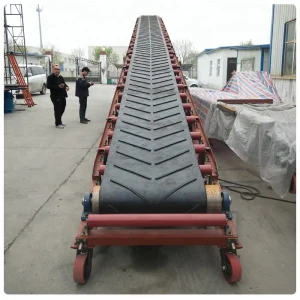
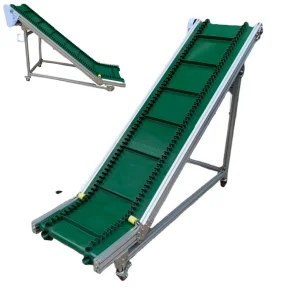
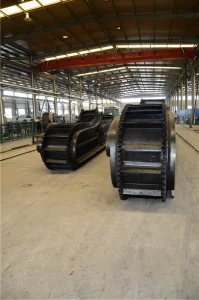
Designed for bulk outdoor transport of grain, sawdust, and raw agriculture, these belts feature integrated cleats and sidewalls. They withstand outdoor UV exposure and abrasive dust while preventing product spillage during steep-incline transport.
Dongguan Trakkx Tech Co., Ltd. is a professional China conveyor belt manufacturer specializing in industrial material handling and conveying solutions for a wide range of industries worldwide. With years of experience in conveyor technology, we provide reliable, efficient, and customized conveyor systems that help businesses optimize production processes, improve workflow efficiency, and reduce operational costs.
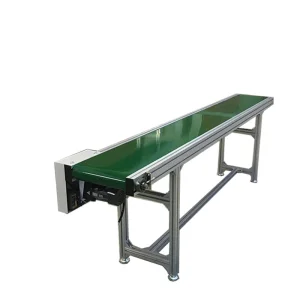
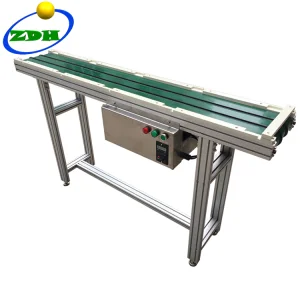
Our product portfolio includes conveyor belts, belt conveyor systems, modular conveyors, roller conveyors, inclined conveyors, assembly line conveyors, packaging conveyors, and customized material handling equipment. Designed to meet the demanding requirements of modern manufacturing environments, our solutions are widely used in logistics, food processing, electronics, automotive, warehousing, packaging, pharmaceuticals, and industrial production facilities.
At Trakkx Tech, we combine engineering expertise with advanced manufacturing capabilities to deliver high-performance conveying systems tailored to specific customer applications. Our experienced technical team works closely with clients throughout the entire process, from project consultation and system design to prototyping, production, installation support, and after-sales service.
Our manufacturing facility is equipped with modern production equipment and strict quality control systems to ensure durability, reliability, and consistent performance. Every conveyor solution undergoes comprehensive testing and inspection before delivery, helping customers achieve smooth and uninterrupted material handling operations. We also offer flexible OEM and ODM services for global distributors, system integrators, equipment manufacturers, and industrial brands.
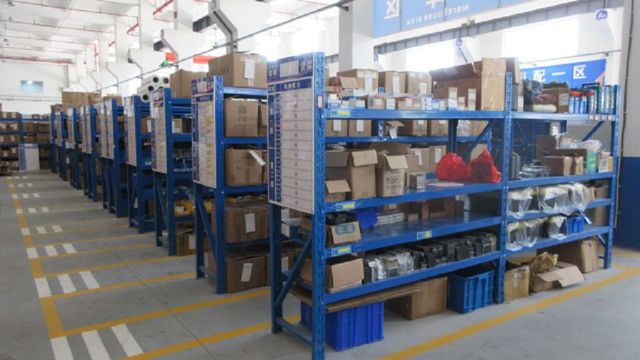
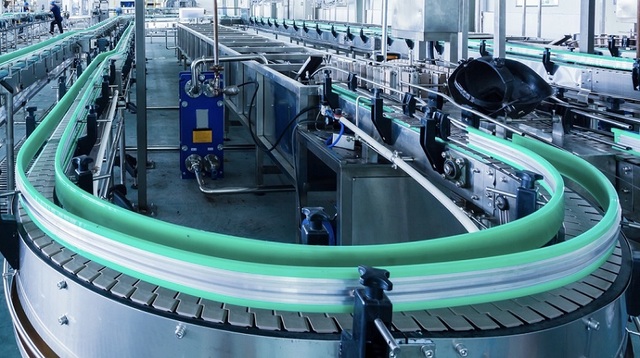
Operating out of Dongguan, China's industrial manufacturing hub, our facility houses state-of-the-art injection molding machines, automated pin insertion lines, and load testing stations. Below is a look inside our clean, ISO 9001-certified factory floors and production lines:
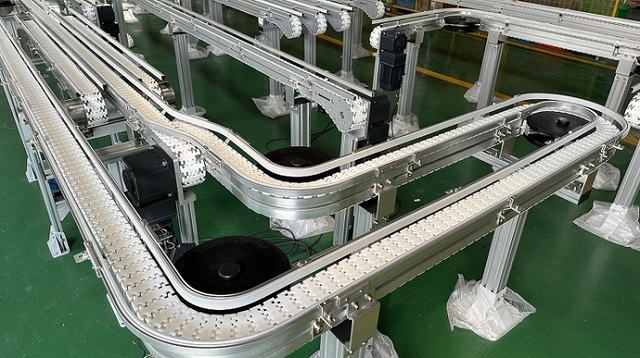
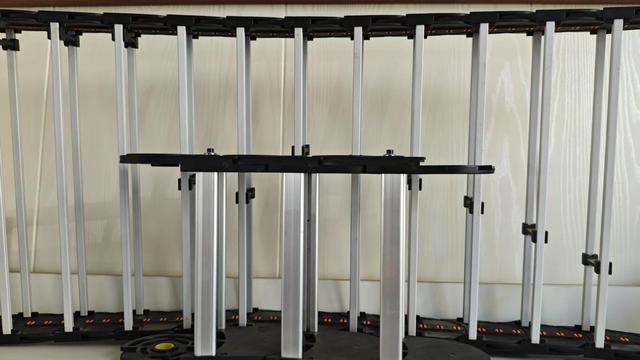
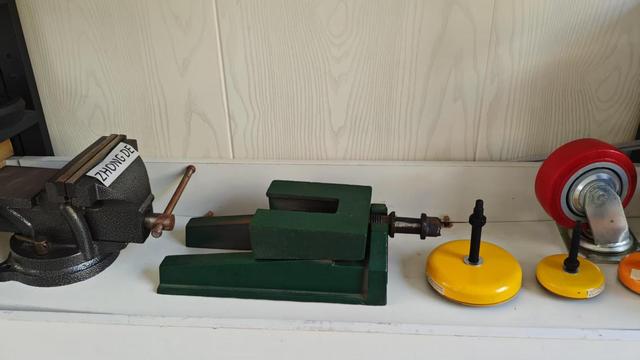
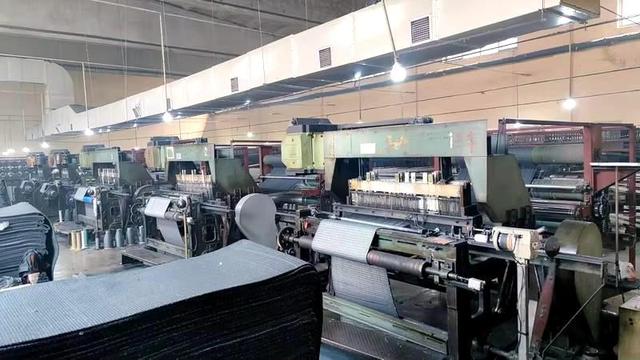
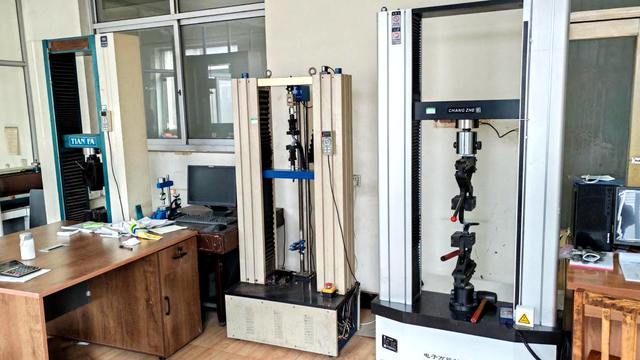
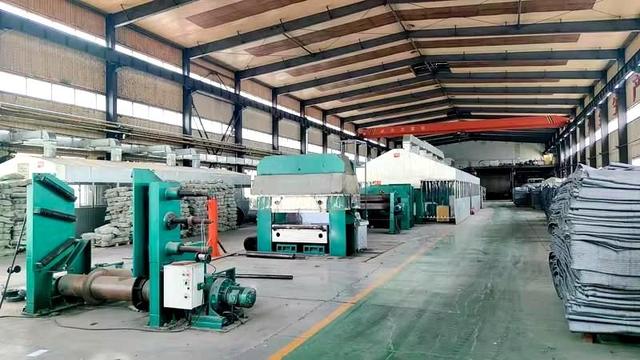
How Dongguan Trakkx Tech Co., Ltd. manages raw materials, manufacturing capacity, and global distribution logistics.
Industrial procurement managers face challenges from global supply chain disruptions, fluctuating raw material costs, and shipping delays. As a specialized manufacturer of heavy-duty modular belts in China, Dongguan Trakkx Tech Co., Ltd. addresses these challenges through raw material partnerships and vertically integrated production. By sourcing polymer resins directly from global suppliers, we ensure material quality and hedge against cost fluctuations.
Our location in Dongguan, China, places us at the center of the Pearl River Delta industrial ecosystem. This gives us access to mold-making, heat-treatment, and metal-machining resources, allowing us to shorten prototyping timelines. Whether we are producing standard modular modules or customized flat-top systems with non-standard pitches, our vertical integration helps reduce standard delivery times compared to competitors in Western markets.
We serve customers across North America, Europe, Southeast Asia, the Middle East, and other international markets. To support this global client base, Trakkx Tech has established a strict quality management system and compliance network:
Regulatory Compliance: Our food-grade conveyor belts are manufactured to comply with FDA Title 21 CFR standards for direct food contact, as well as European Commission Regulation (EU) No 10/2011. This helps ensure compliance for food processing facilities during health inspections.
Engineering & Integration Support: To assist overseas system integrators, our engineering team provides complete 2D and 3D CAD models. This allows customers to verify clearances, sprocket spacing, and catenary sag profiles before placing an order.
OEM and ODM Services: We offer customizable features, including custom colors for brand alignment, specific coefficient-of-friction surfaces, and custom pin retention designs, allowing us to tailor our conveyor systems to your requirements.
Answers to common questions regarding load calculations, thermal expansion, polymer selection, and preventative maintenance.
Select specialized belt assemblies, power transmissions, and custom rollers designed for heavy industrial material handling.
 Trakkx Tech