Dongguan Trakkx Tech Co., Ltd. is a leading, professional China conveyor belt manufacturer specializing in advanced industrial material handling and conveying systems for a wide range of industries worldwide. Leveraging decades of deep domain experience in mechanical automation and rubber/elastomer technology, we design high-efficiency solutions configured to optimize workflow speed, cut maintenance overheads, and scale production systems.
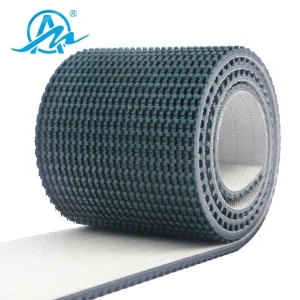
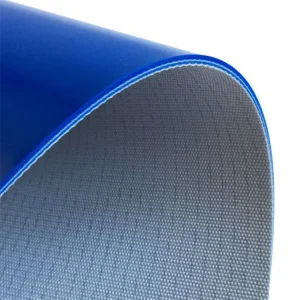
Dual layer (multi-ply) belts are the cornerstone of highly optimized manufacturing assemblies. Standard monofilament belts often fail under the combined stressors of continuous tensile loads, sharp materials, high temperatures, or strict sanitized regulatory requirements. By deploying a composite, two-layer material architecture, Trakkx Tech enables operational teams to select distinct materials for both the pulley side (bottom ply) and the carry side (top cover). This provides custom-tailored resistance where it is needed most without compromising flexibility or weight.
The continuous growth of automated distribution hubs, smart sorting centers, and heavy-duty manufacturing plants requires belting options that operate with lower coefficient of friction and high dimensional stability.
Modern conveyor systems account for a substantial percentage of warehouse electrical costs. Through molecular modification of the bottom layer of PVC and PU, our advanced fabrics generate less drag against the slider bed. This structural improvement can reduce conveyor motor power draw by 15-22%, resulting in thousands of dollars of energy savings per plant annually.
In food processing and pharmaceutical transport, simple top-cover sanitation is no longer enough. Micro-cracks in single-layer materials often harbor bacterial colonies. Our double-layer architecture includes a sealed, antimicrobial inner matrix between the top food-grade TPU coating and the fabric carcass, providing protection against mold and bacteria migration.
Belting failure is most commonly caused by progressive elongation over time. Dongguan Trakkx Tech addresses this by laminating high-denier polyester monofilaments (E-polyester) as the core structural layer. When vulcanized with the top outer rubber compound, it guarantees minimal elongation, eliminating the need for frequent tension adjustments and downtime.
Managing complex production systems across North America, Europe, and Asia-Pacific requires a supply partner that offers more than off-the-shelf products. International logistics and operations managers evaluate vendors on structural stability, technical compliance, and product customization.
1. Tailored Compounding (OEM/ODM): Rather than selecting from standard catalogs, procurement teams can adjust parameters. We engineer the belt structure for food production lines needing high oil resistance, metal-processing centers needing cut protection, or electronics assemblies needing precise anti-static ranges (surface resistivity of 106 to 109 ohms).
2. Structural Integrity: Standard multi-ply options can delaminate under high-speed tracking or reverse bending. Our calendering production lines cure the composite layers using pressure and heat, building a robust molecular bond across the plies.
3. Supply Chain Reliability: With raw material stocks maintained for PU, PVC, and premium rubber compounds, we provide consistent lead times for large-scale logistics upgrades and replacement cycles.
| Material Configuration | Tensile Strength (N/mm) | Working Temp (°C) | Primary Industrial Utility | Compliance/Standards |
|---|---|---|---|---|
| Dual-Layer Thermoplastic PU (TPU) | 150 - 220 N/mm | -20°C to +110°C | Hygienic Food Packaging & Processing Lines | FDA, EU 10/2011, USDA Certified |
| Reinforced PVC (Double Weft Carcass) | 180 - 320 N/mm | -10°C to +80°C | Airport Baggage, Logistics Sorting & Warehousing | ISO 340 Flame Retardant, Anti-Static |
| High-Grade SBR/NBR Synthetic Rubber | 350 - 650 N/mm | -35°C to +150°C | Heavy-Duty Mining, Agricultural Seeds & Grain Elevator | DIN 22102, REACH, RoHS Compliant |
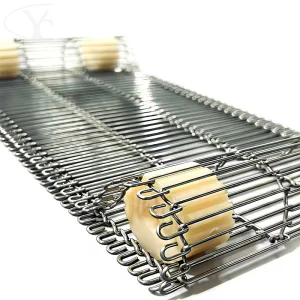
| Multi-Ply Steel Mesh / Polyester Hybrid | 600 - 1200 N/mm | -40°C to +200°C | Castings, Foundry Scrap, High Heat Metallurgy | ISO 284 Conductive, Heat Resistant Class 4 |
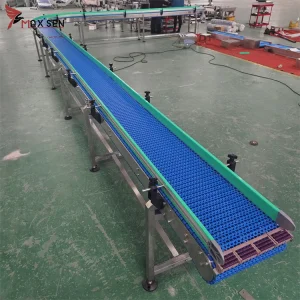
High-volume fulfillment facilities operate 24/7 with complex merges and transfers. We supply low-friction, anti-static double PVC belts that minimize package slip, reduce noise levels below 65dB, and handle rapid acceleration curves without warping the belt carcass.
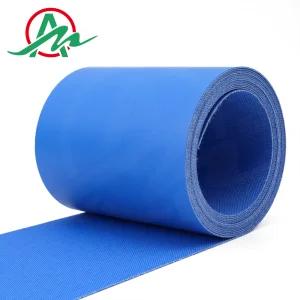
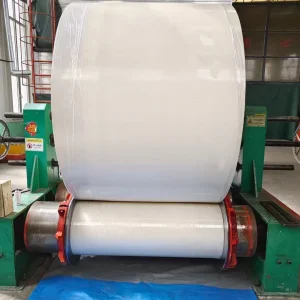
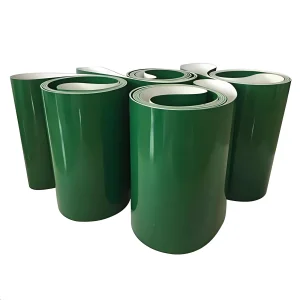
Meat processing, agricultural washing, and baking require belt options that resist raw fats, high temperatures, and repeated washdowns. Our food-grade blue and white PU/PVC belts resist moisture absorption, preventing swelling, edge fraying, and bacteria growth.
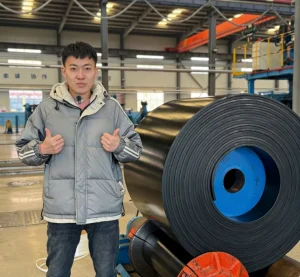
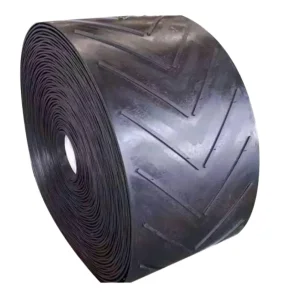
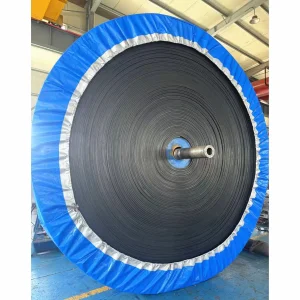
For heavy materials like gravel, steel filings, and waste, standard belts are prone to puncture. Trakkx Tech designs multi-layer rubber belts with cut-resistant top covers and high-tensile fabric cores to absorb impacts and prevent tear propagation.
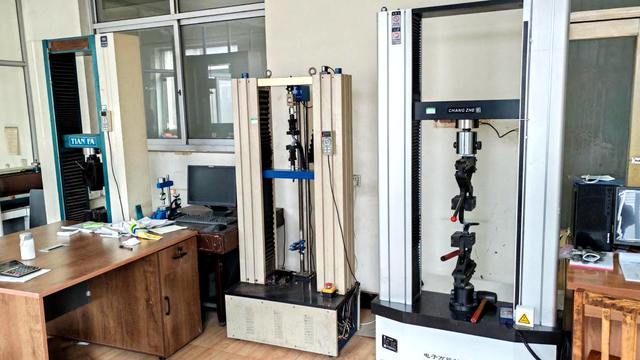
At Trakkx Tech, quality control is integrated into every step of our manufacturing process. We understand that a single belt failure can halt a factory line, resulting in significant production losses. Our manufacturing facility uses precise inspection systems to verify thickness, tensile limits, and chemical safety.
To support global facilities, we offer tailored design and engineering consultation. From initial project evaluation and custom system design to prototype builds, installation guidance, and ongoing technical support, our engineers help you choose the right material formulations, thicknesses, and surface textures for your application.
Whether you require flame-retardant parameters according to ISO 340, food-grade compliance with FDA regulations, or custom dimensions for specialized conveyors, Trakkx Tech provides engineered products backed by strict testing and quality assurance.
100% Traceability: Raw materials are fully logged and tested to ensure consistency across every production run.
Comprehensive Diagnostics: Finished belts undergo tension, friction, and dynamic tracking tests prior to shipping.
Regulatory Compliance: Formulations meet strict FDA, USDA, REACH, and RoHS standards for international markets.
We are currently developing smart sensor integration for conveyor belts. By embedding miniature RFID tracking chips inside the fabric core of the belt, plants will be able to monitor real-time wear, temperature changes, and strain directly through their centralized control system, preventing unexpected failures.
To support corporate sustainability goals, Trakkx Tech is engineering bio-based PVC and TPU alternatives. These materials offer the same oil and mechanical resistance as petroleum-based polymers, while reducing carbon footprint by up to 30% during the raw material extraction phase.
Our research team is testing specialized fabric weaves treated with permanent dry lubricants. These coatings help maintain a low coefficient of friction against the slider bed throughout the entire lifespan of the belt, reducing energy costs even in humid or dust-heavy working environments.
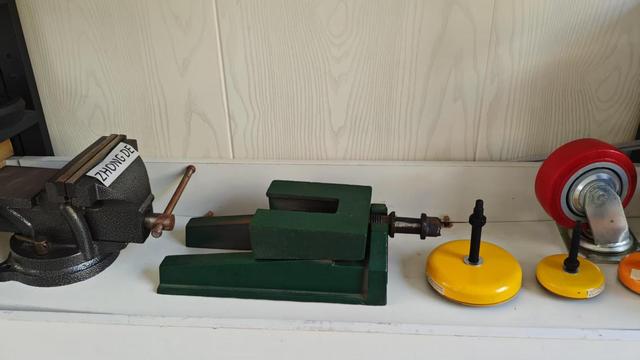
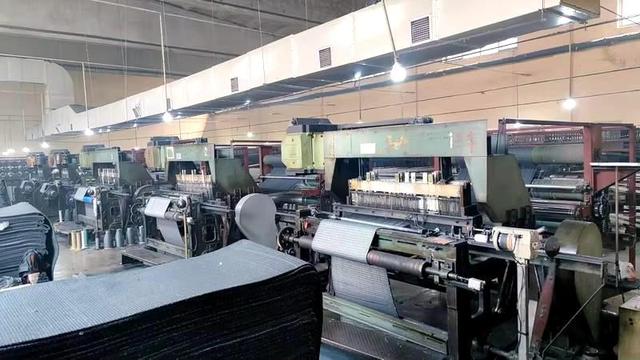
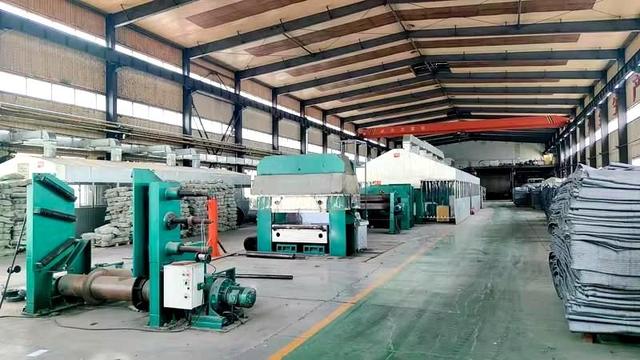
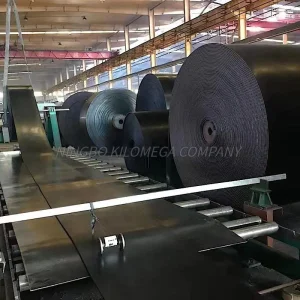
A visual overview of our manufacturing processes, including raw material formulation, automated calendering, fabric tension testing, and final packaging.
Standard single-layer belts require choosing between tensile strength and surface grip. A dual-layer design uses a high-strength woven polyester or fabric carcass for structural stability, combined with a separate outer polymer layer (such as PU, PVC, or rubber) optimized for specific requirements like food contact, wear resistance, or static dissipation.
We use an advanced manufacturing process that combines pressure and thermal curing. This creates a strong molecular bond across the plies, preventing separation even under continuous reverse-bending stress over small pulleys.
Yes, our food-grade TPU and PVC belts are formulated to meet FDA, USDA, and EU Regulation 10/2011 standards. They are designed to resist moisture, animal fats, and vegetable oils while supporting standard washdown procedures.
Every custom order undergoes testing at our facility. This includes verifying thickness consistency, tensile limits, friction coefficients against slider beds, and tracking stability on our test loops to ensure reliable out-of-the-box performance.
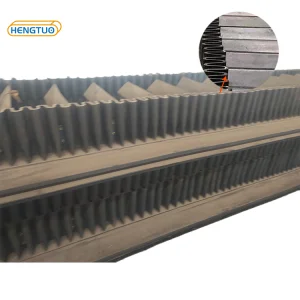
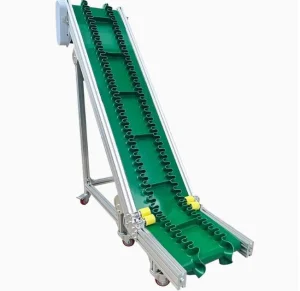
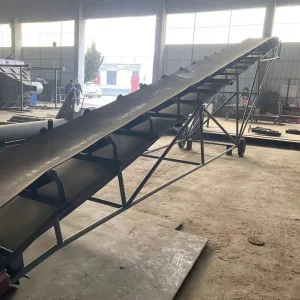
We provide extensive customization options, including adjusting thickness, surface textures (such as rough-top, smooth, or ribbed), anti-static coatings, flame-retardant properties, and integrating tracking guides, sidewalls, or cleats for inclined transport.
 Trakkx Tech