Top Trusted Chain Driven Belts Factories & Exporters

Decentralized Production Excellence, Industrial IoT Integration, and Heavy-Load Drive Systems Engineered for Global Automation Systems

Featured Chain Driven & Conveyor Systems

High-precision mechanical conveying equipment designed for synchronized timing, positive alignment, and heavy-duty load handling across automated environments.
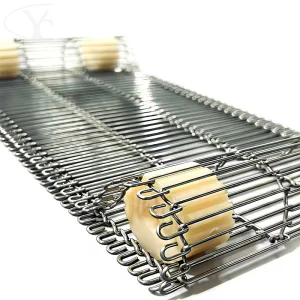
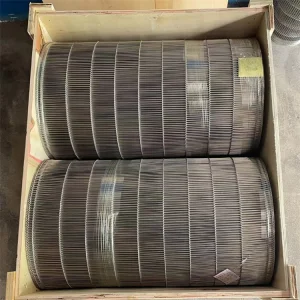
Yuchen High Temperature Resistant stainless steel conveyor belt mesh

Yuchen High Temperature Resistant stainless steel conveyor belt mesh Factory Direct Sales food 304 wire mesh conveyor belt

View Specifications
Customized 304 Stainless Steel Woven Wire Mesh Conveyor Belts

Customized 304 Stainless Steel Woven Wire Mesh Conveyor Belts for the Food Industry

View Specifications
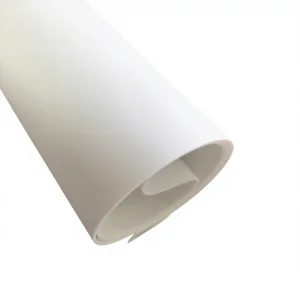
AMIAO 1.8mm Food Grade White PU Conveyor Belt

AMIAO 1.8mm Food Grade White PU Conveyor Belt | Heat-Resistant Anti-Static Anti-Bacterial | Custom Size

View Specifications
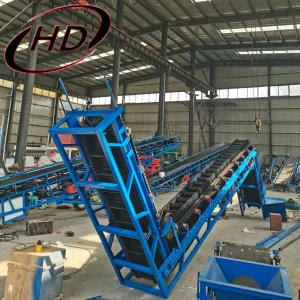
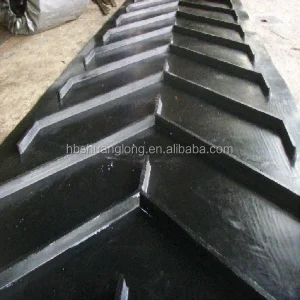
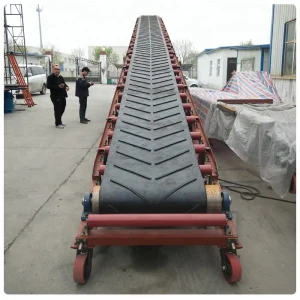
Cleated & Side Walls Inclined Conveyor

Cleated & Side Walls / Inclined Sidewalls Belts Conveyor for Bulk Materials

View Specifications
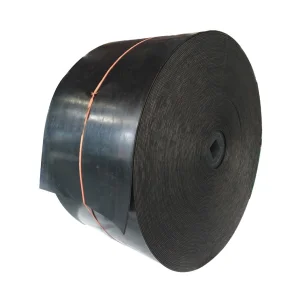
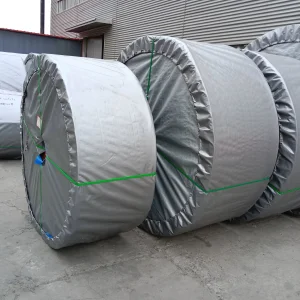
EP400/3 Conveyor Belt Rubber

EP400/3 Conveyor Belt Rubber

View Specifications
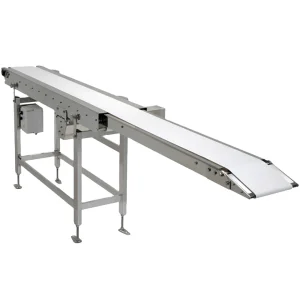
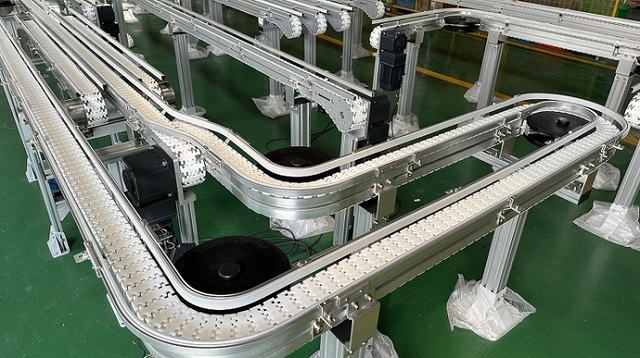
Automatic Telescopic Food Grade Stainless Steel Belt Conveyor

Automatic Telescopic Food Grade Stainless Steel Belt Conveyor For Sorting And Branching

View Specifications
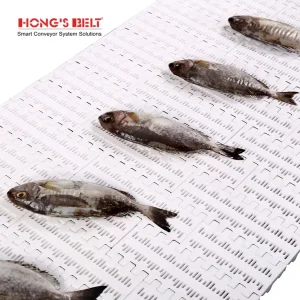
Hongsbelt Conveyor Components Modular Conveyor Belts

Hongsbelt Conveyor Components Modular Conveyor Belts Plastic for Intralox Series 800 Perforated Flat Top

View Specifications
Mini Conveyor Belt Wire Mesh Conveyor Belt

Mini Conveyor Belt Wire Mesh Conveyor Belt Stainless Steel Wire Mesh Conveyor Belt

View Specifications

Industrial Evolution: The Rising Role of Positive Drive Chain Driven Belts

In high-throughput manufacturing and harsh industrial environments, traditional friction-driven systems frequently run into tracking errors, slippage, and structural wear under high load conditions. Modern smart factory design favors chain-driven mesh and modular belt structures. By coupling robust drive rollers and chain edges with high-alloy mesh panels or wear-resistant plastics, systems avoid alignment issues and maximize uptime.

Unlike friction conveyors, chain-driven assemblies use sprocket engagement to drive the system, making them ideal for heavy loading, incline operations, and high-temp environments. This whitepaper analyzes engineering standards, China 4.0 production capabilities, procurement requirements, and application scenarios to help global engineering teams select the right material handling partner.

Total Cost of Ownership (TCO) Optimization

Standardizing chain-driven systems reduces tension-related bearing failures, lowers maintenance costs, and limits conveyor downtime in high-output plants.

Severe Thermal and Chemical Resilience

Selecting premium alloys (AISI 304, AISI 316, and specialized high-carbon steels) guarantees thermal stability up to 1200°C in heat treatment ovens and cryogenic processes.

Precision Timing & Synchronous Conveying

Designed for automated electronic assembly, sorting, and packaging systems where synchronized spacing and positive indexing are critical to system throughput.

China Factory 4.0: Modern Supply Chain Resilience & Cost-Efficiency

Sourcing conveyor systems globally requires looking beyond component costs to evaluate supply chain speed, raw material availability, and manufacturing capacity. The Chinese conveyor manufacturing sector has evolved from simple assembly lines into fully automated Industry 4.0 production hubs.

Dongguan Trakkx Tech Co., Ltd., based in China's manufacturing center, shows how automation keeps supply chains stable. By using robotic laser cutters, automated mesh weaving systems, and computerized chain alignment test stands, Chinese factories can consistently produce high-tolerance conveyor belts that meet strict EU and US standards.

This manufacturing ecosystem offers several key advantages for international buyers:

  • Integrated Material Sourcing: Direct links to top-tier steel mills and polymer developers keep pricing stable and minimize material sourcing delays.
  • Rapid Prototyping: Integrated CAD/CAM pipelines allow custom engineering designs to transition to full prototyping within days.
  • Quality Control Pipelines: Automated load testing, chemical spectral analysis (ensuring exact SUS304/316 grade ratios), and pitch verification guarantee reliable field operation.
15+
Years R&D Experience
99.8%
On-time Delivery Rate
2-Year
Standard Engine Warranty
60+
Exporting Countries

Engineering Comparison: Friction Drive vs. Sprocket/Chain Driven Belts

A detailed engineering comparison showing why chain-driven belts perform better under extreme loads, high temperatures, and strict positioning requirements.

Performance Metric Traditional Friction-Driven Belt Sprocket/Chain-Driven Belt System Engineering Significance
Slippage Resistance Low (Depends on surface friction and tension) Absolute (Positive engagement, zero slip) Prevents indexing errors and product misalignments.
Load Capacity Light to Medium loads Heavy to Extreme duty (Up to 100+ kg/m) Essential for automotive, foundry, and aggregate transport.
Operating Temperature Limited (-20°C to 100°C standard) Excellent (-150°C to 1200°C with steel mesh) Required for commercial baking, freezing tunnels, and glass ovens.
Tracking & Alignment High maintenance (Regular adjustments needed) Self-aligning (Fixed by chain guide rails) Reduces side wear and eliminates manual adjustment time.
Permeability & Air Flow Generally Low (Solid surfaces block air) High (Open wire mesh allow up to 85% airflow) Improves efficiency in heating, cooling, and draining.

Localized Application Scenarios & Engineering Case Studies

Real-world examples of chain-driven mesh and custom conveyor systems in modern automated processing plants.

1. High-Heat Baking & Food Processing

Food processing plants use food-grade 304 and 316 stainless steel woven mesh conveyor belts. Driven by side chains, these belts run smoothly through baking ovens and cooling lines at temperatures up to 300°C without drifting or slipping, maintaining strict hygiene standards (FDA and CE compliance).

2. Shot Blasting & Metals Manufacturing

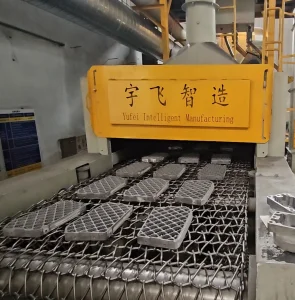
Heavy duty mesh belts transport metal castings through abrasive shot blasting chambers. Standard friction belts wear down quickly under these conditions. Reinforced chain-driven steel belts handle these high-impact processes reliably, protecting components and maintaining steady conveyor speed.

3. Automated Sorting & E-Commerce

Modern distribution hubs use modular plastic chain belts (like the Intralox series) for sorting and routing packages. The positive drive system allows for rapid acceleration, deceleration, and side-transfer actions without the belt drifting off course during high-speed sorting.

Enterprise Profile: Dongguan Trakkx Tech Co., Ltd.

Dongguan Trakkx Tech Co., Ltd. is a professional China conveyor belt manufacturer specializing in industrial material handling and conveying solutions for a wide range of industries worldwide. With years of experience in conveyor technology, we provide reliable, efficient, and customized conveyor systems that help businesses optimize production processes, improve workflow efficiency, and reduce operational costs.

Our product portfolio includes conveyor belts, belt conveyor systems, modular conveyors, roller conveyors, inclined conveyors, assembly line conveyors, packaging conveyors, and customized material handling equipment. Designed to meet the demanding requirements of modern manufacturing environments, our solutions are widely used in logistics, food processing, electronics, automotive, warehousing, packaging, pharmaceuticals, and industrial production facilities.

At Trakkx Tech, we combine engineering expertise with advanced manufacturing capabilities to deliver high-performance conveying systems tailored to specific customer applications. Our experienced technical team works closely with clients throughout the entire process, from project consultation and system design to prototyping, production, installation support, and after-sales service.

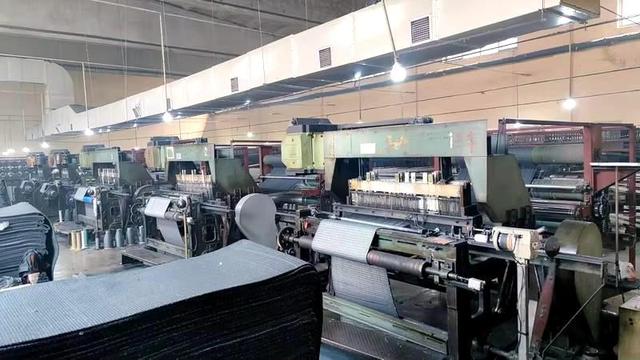
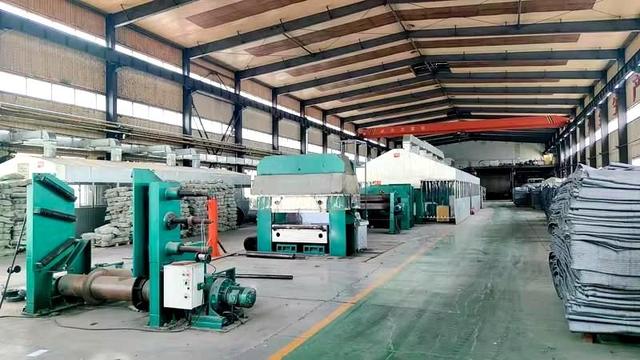
Our manufacturing facility is equipped with modern production equipment and strict quality control systems to ensure durability, reliability, and consistent performance. Every conveyor solution undergoes comprehensive testing and inspection before delivery, helping customers achieve smooth and uninterrupted material handling operations.

In addition to standard products, Dongguan Trakkx Tech Co., Ltd. offers flexible OEM and ODM services for global distributors, system integrators, equipment manufacturers, and industrial brands. We are committed to providing innovative conveying solutions that adapt to evolving industry needs and support long-term business growth.

Serving customers across North America, Europe, Southeast Asia, the Middle East, and other international markets, Trakkx Tech has established a reputation for quality, efficiency, and customer-focused service. Our mission is to become a trusted global partner for advanced conveyor belt systems and intelligent material handling solutions.
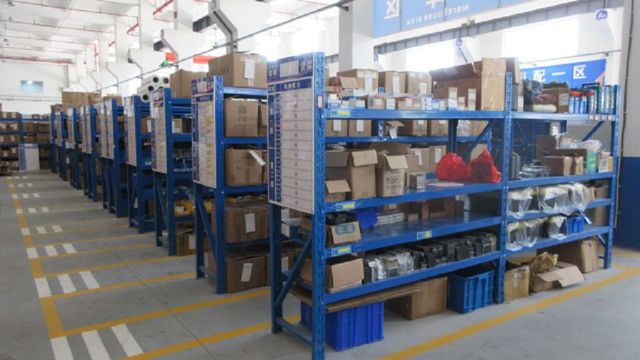
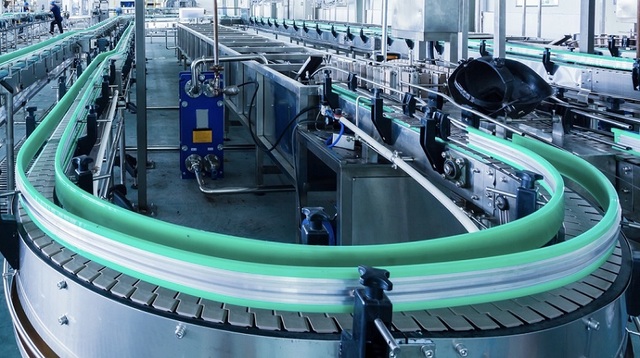
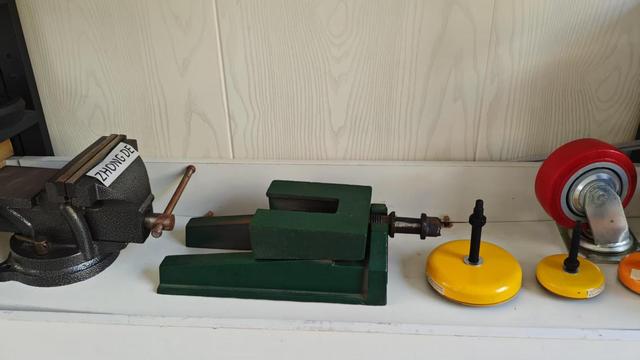
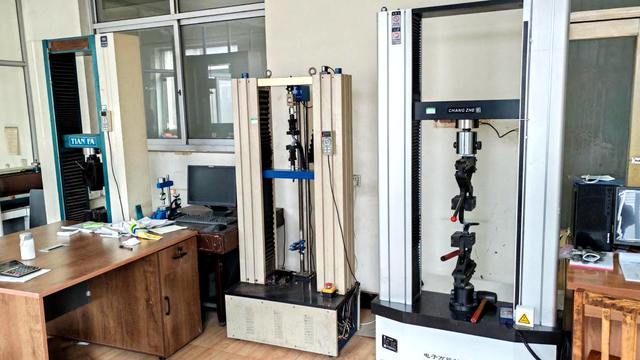
Factory Facility & Quality Inspections

Technical FAQ: Chain Driven & Industrial Conveyor Systems

Answers to common technical and procurement questions about chain-driven conveyor systems.

Q1: What are the primary advantages of chain-driven wire mesh belts over friction-driven configurations?
Chain-driven belts use sprockets that engage directly with the side chains, providing positive drive. This design eliminates slippage under heavy loads and keeps the belt aligned, which is ideal for wet, oily, or high-temperature environments.
Q2: Which stainless steel grades are used for high-temperature and food applications?
AISI 304 is the standard grade for general food processing due to its cost and corrosion resistance. For high-acid, high-salt, or chemical environments, we use AISI 316. High-temperature lines (up to 1200°C) require specialized heat-resistant alloys.
Q3: How do you verify material grades and component quality before export?
Our quality control lab inspects every batch of stainless steel and polymer. We run alloy spectrometer checks to confirm exact chemistry, tension tests to verify tensile strength, and test-run all chain drives before shipping.
Q4: Can modular plastic belts replace stainless steel mesh belts in food production?
Modular plastic belts (like polypropylene or acetal) work well for washing and direct sorting. However, for baking, deep-frying, or high-heat processes, stainless steel mesh is required because plastic cannot handle those temperatures.
Q5: How does Trakkx handle custom OEM/ODM designs for system integrators?
We work closely with your team. Our engineers take your CAD drawings, verify load capacities and clearances, build prototypes if needed, and manufacture the custom systems to fit your conveyor frame layouts.
Q6: What maintenance steps prevent premature wear on chain-driven systems?
Regularly inspect chain tension, check sprocket wear, and keep guide rails clean. Proper lubrication with food-safe or high-temperature oils (based on the application) significantly extends chain and sprocket life.
Q7: How do cleated and sidewall conveyor belts help with steep angles?
Sidewalls contain loose materials at the belt edges, while cleats prevent backsliding on steep inclines. This design allows for reliable material transport at angles up to 60 degrees.
Q8: What is the average lifespan of a chain-driven stainless steel belt?
With regular cleaning and proper lubrication, a high-quality stainless steel belt can last 5 to 10 years in standard food processing plants. In heavy industrial environments like shot blasting, lifespan varies based on operating hours and chemical exposure.
Q9: Do your automated conveyor systems carry CE and international certifications?
Yes, our automated steel wire mesh conveyors and integrated drive systems carry CE certification. We design and build our equipment to meet machinery safety and food contact directives for easy integration into international production lines.
Q10: What is the typical lead time for custom conveyor systems shipped from China?
Standard systems are manufactured in 15 to 20 days, while custom conveyor lines take 30 to 45 days. We coordinate with shipping partners to handle custom clearance and supply chain logistics smoothly.

Heavy Duty & Specialized Industrial Conveyors

Heavy-duty transport belts designed for high-stress operations, bulk material handling, logistics, and surface treatments.
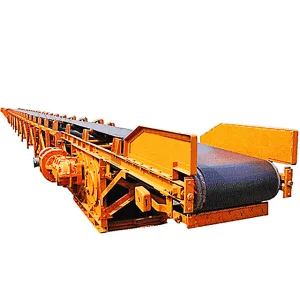
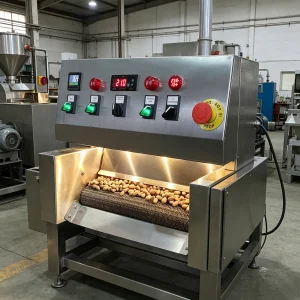
Mine Rubber Belt Conveyor for Stone Crushing

New Design Mine Rubber Belt Conveyor for Stone Crushing Line Factory Price

View Specifications
Heavy Duty Chain Driven Mesh Conveyor Belt

Heavy Duty Chain Driven Mesh Conveyor Belt Breathable Structure For Automated Industrial Material Handling System

View Specifications
Automated Steel Wire Mesh Conveyor Belt

CE Certified QWD Automated Steel Wire Mesh Conveyor Belt Two-Year Warranty Core Engine For Shot Blasting Abrators Machine

View Specifications
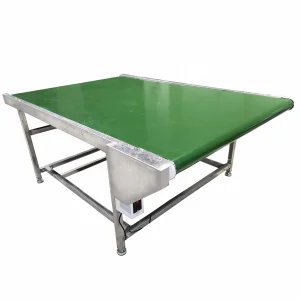
Pvc Conveyor Belt Green Portable Mini PVC Cargo Conveyors

Pvc Conveyor Belt Green Portable Mini PVC Cargo Conveyors for Warehouse and Retail Industries Industrial Use Belt Transporting

View Specifications
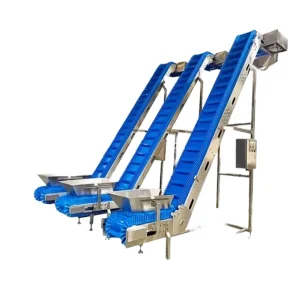
Stainless Steel Z-type Conveyor Automatic Food Feeding

Stainless Steel Belt Conveyor Automatic Food Feeding Incline Fruit Z-type Easy Clean Conveyor Adjustable Speed Durable Conveyor

View Specifications
Custom PVC Mining Coal Pattern Conveyor Belt

Custom PVC Mining Coal Pattern Smooth Logistics Ceramic Industrial Factory Manufacturer Flat Transmission Conveyor Rubber Belt

View Specifications
Chevron Rubber Conveyor Belt Manufacturer

Steep Angle Profiled Surface Chevron Rubber Conveyor Belt,Herringbone Fishbone U Shape Column Pattern Conveyor Belt Manufacturer

View Specifications
Mobile Sawdust Belt Conveyor With Hopper

Mobile Sawdust Belt Conveyor With Hopper Price

View Specifications