In the contemporary industrial terrain of Australia, production efficiency, food safety compliance, and operational reliability are paramount. From the agricultural hubs in Victoria and South Australia to the massive red meat processing plants across Queensland and New South Wales, modern material handling demands conveying technology that matches strict quality metrics. Traditional conveyor belts, such as continuous PVC, rubber, and fabric belts, frequently yield to operational bottlenecks caused by alignment tracking issues, excessive clean-down times, and structural wear.
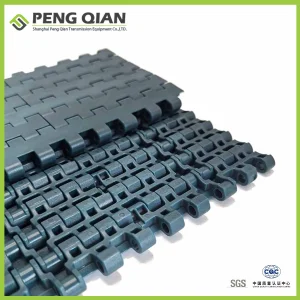
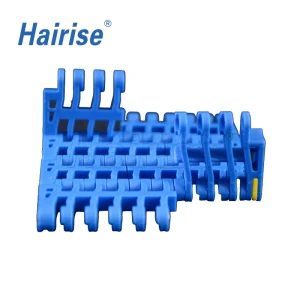
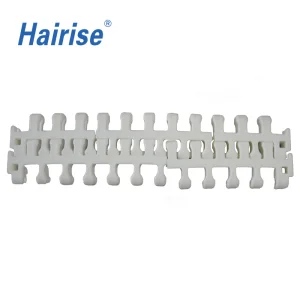
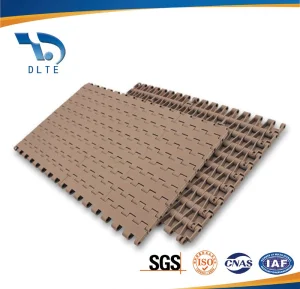
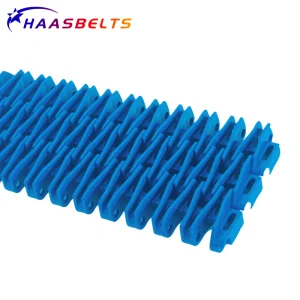
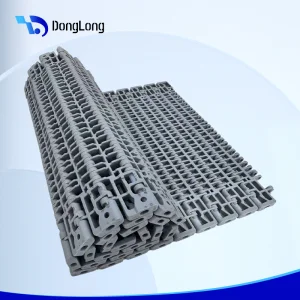
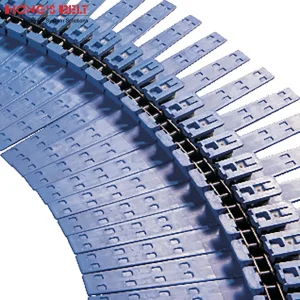
This is where modular plastic belts have established themselves as an industry standard. Built from interlocking plastic modules powered by positive-drive sprockets, modular conveyor lines offer unmatched structural durability, sanitation capacity, and targeted maintenance flexibility. By shifting away from friction-drive setups to positive-drive modular systems, Australian enterprises are witnessing direct benefits in energy efficiency, reduced maintenance intervals, and minimized downtime.
The Australian manufacturing and primary production sectors are governed by unique parameters: geographical dispersion, high labor costs, and incredibly rigorous food safety regulations enforced by the Food Standards Australia New Zealand (FSANZ) and the Department of Agriculture, Fisheries and Forestry (DAFF). With high hourly labor costs, unexpected plant downtime during packing or washdown cycles is extremely expensive. Furthermore, Australia's harsh climatic conditions demand materials that do not warp, degrade, or harbor bacteria under extreme variations in temperature and washdown chemicals.
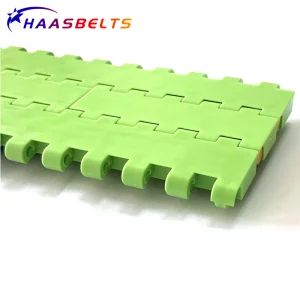
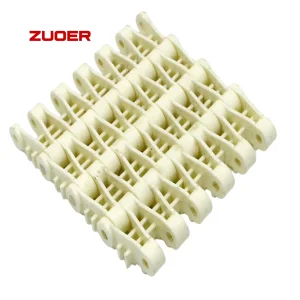
On a global scale, the material handling industry is undergoing a transition driven by smart manufacturing, high-density storage solutions, and sustainability goals. The modular plastic belt industry has evolved from general conveyor accessories into high-performance, specialized polymer solutions. Modern modular belts integrate smart sensors, low-friction materials (such as optimized Polyacetal POM), and antimicrobial compounds directly embedded into the polymer chain.
For Australian enterprises sourcing these solutions, partnering directly with a leading Chinese factory like Dongguan Trakkx Tech Co., Ltd. offers a clear competitive edge. China's industrial manufacturing ecosystem delivers precision, speed, and cost efficiency. With extensive production capabilities and advanced mold manufacturing, we can rapidly customize modular designs that match exact pitch, open area, and flight specifications. This drastically reduces transit times and capital expenditures compared to regional domestic suppliers, allowing Australian businesses to reinvest in automated upgrades.
Dongguan Trakkx Tech Co., Ltd. is a professional China conveyor belt manufacturer specializing in industrial material handling and conveying solutions for a wide range of industries worldwide. With years of experience in conveyor technology, we provide reliable, efficient, and customized conveyor systems that help businesses optimize production processes, improve workflow efficiency, and reduce operational costs.
Our product portfolio includes conveyor belts, belt conveyor systems, modular conveyors, roller conveyors, inclined conveyors, assembly line conveyors, packaging conveyors, and customized material handling equipment. Designed to meet the demanding requirements of modern manufacturing environments, our solutions are widely used in logistics, food processing, electronics, automotive, warehousing, packaging, pharmaceuticals, and industrial production facilities.
At Trakkx Tech, we combine engineering expertise with advanced manufacturing capabilities to deliver high-performance conveying systems tailored to specific customer applications. Our experienced technical team works closely with clients throughout the entire process, from project consultation and system design to prototyping, production, installation support, and after-sales service.
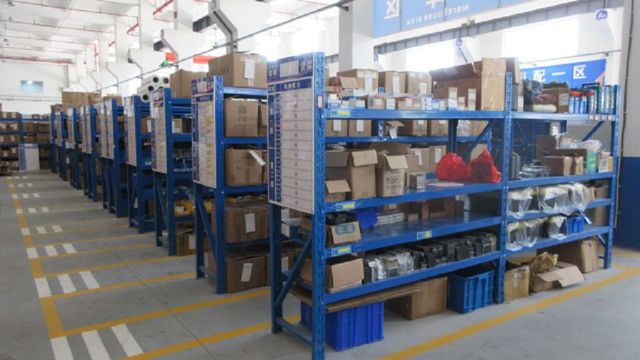
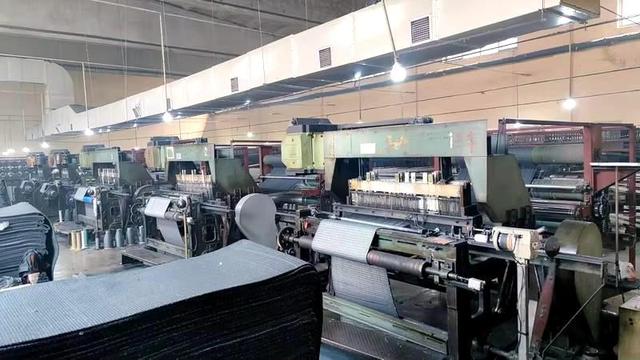
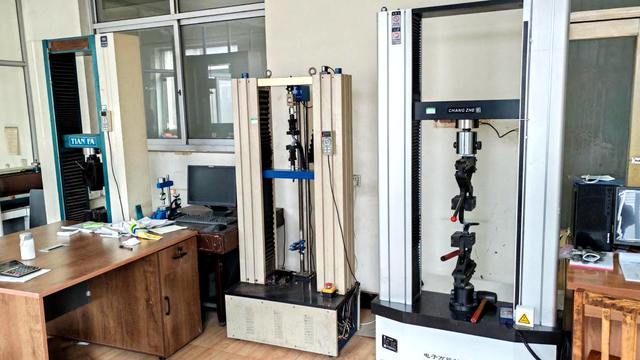
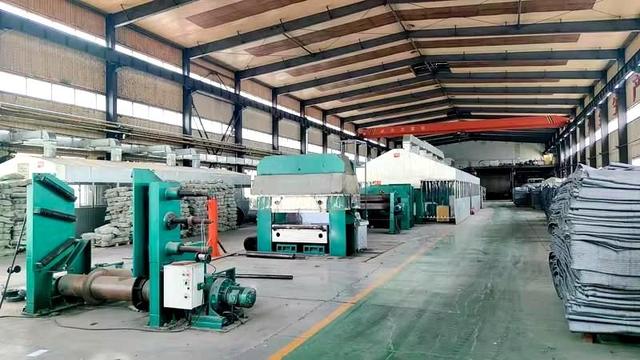
Our manufacturing facility is equipped with modern production equipment and strict quality control systems to ensure durability, reliability, and consistent performance. Every conveyor solution undergoes comprehensive testing and inspection before delivery, helping customers achieve smooth and uninterrupted material handling operations.
In addition to standard products, Dongguan Trakkx Tech Co., Ltd. offers flexible OEM and ODM services for global distributors, system integrators, equipment manufacturers, and industrial brands. We are committed to providing innovative conveying solutions that adapt to evolving industry needs and support long-term business growth.
Serving customers across North America, Europe, Southeast Asia, the Middle East, and other international markets, Trakkx Tech has established a reputation for quality, efficiency, and customer-focused service. Our mission is to become a trusted global partner for advanced conveyor belt systems and intelligent material handling solutions.
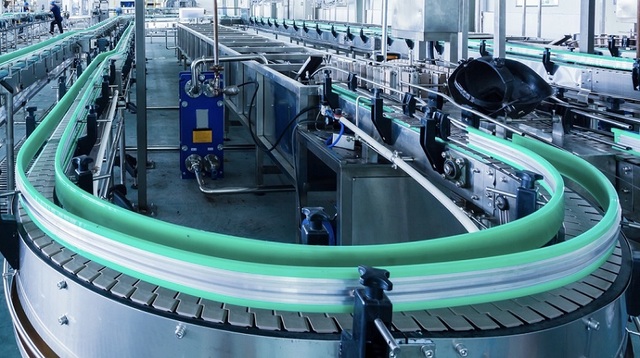
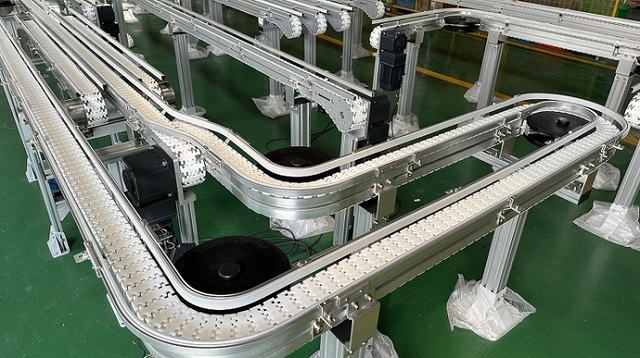
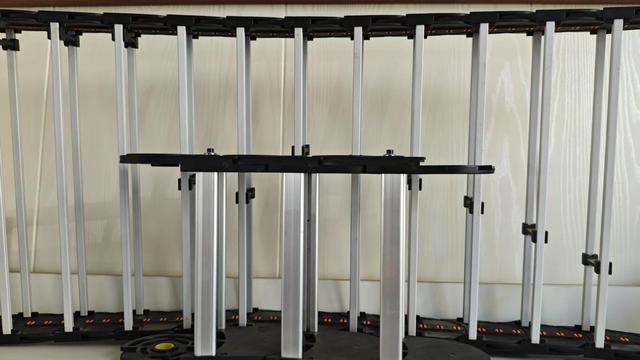
Modular plastic belts are versatile and highly adaptable. Selecting the correct polymer and open area configuration is vital to optimizing performance:
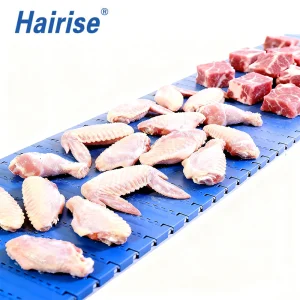
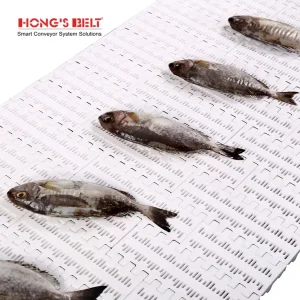
In Australian meat processing plants, conveyor surfaces must handle animal fat, chemical cleanings, and physical impacts without shedding micro-plastics or harboring dangerous bacteria. Belts made of polypropylene (PP) or polyethylene (PE) with flat, non-porous tops are ideal. Flush-grid designs are also widely used in deboning, cutting, and washing lines to allow water drainage during processing, preventing surface pooling and bacterial contamination.
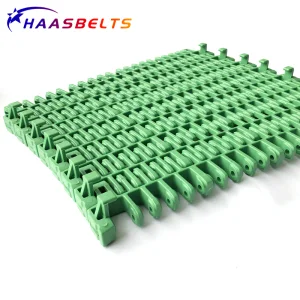
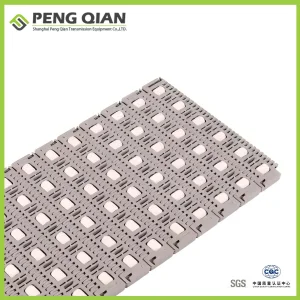
Post-harvest processing in Australia requires gentle product handling and extensive washdowns. Flush grid modular chains allow sand, dirt, and water to drain away, preventing abrasive soil particles from damaging the product. These belts feature open grid architectures (ranging from 15% to 50% open areas) that permit water to pass through freely, reducing water consumption during clean-in-place cycles.
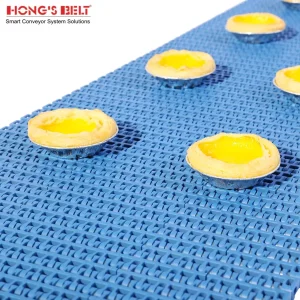
High-speed canning and bottling facilities require stable, flat surfaces with low friction. The Haasbelts and Hongsbelt Flat Top modular lines provide smooth transitions between conveyor sections, reducing product tipping, label damage, and line pressure. In addition, raised rib profiles paired with transfer finger combs ensure safe container transfers on high-speed accumulator lines.
For spiral freezers and cooling tunnels, conveyor belts must maintain mechanical strength at temperatures down to -40°C. Polyethylene (PE) modular belts are engineered specifically for low-temperature flexibility, avoiding the embrittlement and cracking common to standard PVC alternatives.
Procuring industrial conveyor parts from global markets requires a rigorous verification framework. Industry procurement managers should assess suppliers based on key E-E-A-T criteria:
Always ensure raw materials (Polypropylene, Polyacetal, Polyethylene) are sourced from reputable manufacturers (such as DuPont or Sabic). These materials must carry verified food contact approvals. Standard FDA approvals are critical, but European Regulation (EU) No. 10/2011 compliance is also essential for companies looking to export agricultural products worldwide.
Most conveyor lines in Australian processing facilities use standard pitch designs. Partnering with a manufacturer like Trakkx Tech who provides direct drop-in replacements for global brands (such as Intralox, Rexnord, or System Plast) ensures seamless retrofitting. This avoids the cost of replacing entire conveyor frames and sprockets.
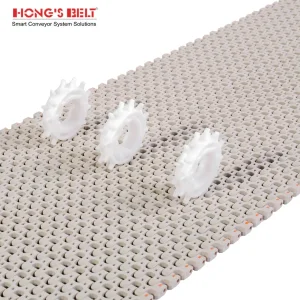
Proper chain-to-sprocket engagement is crucial for reducing mechanical stress. Modern manufacturers must supply dynamic molded or machined sprockets designed to match the specific modular belt pitch (e.g., 12.7mm, 19.05mm, 25.4mm, 50.8mm), ensuring long-term operational performance.
Get in touch with our engineering team for customized drawings, materials recommendations, and factory-direct pricing for your operations in Australia.
Send Inquiry Now Trakkx Tech