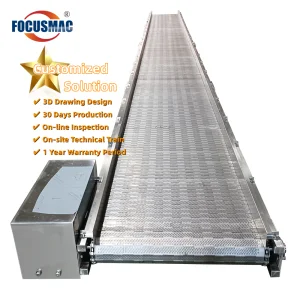
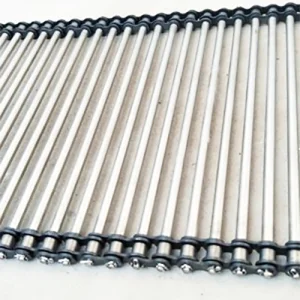
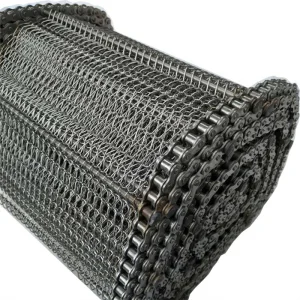
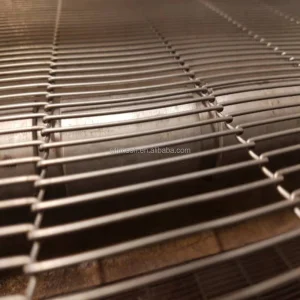
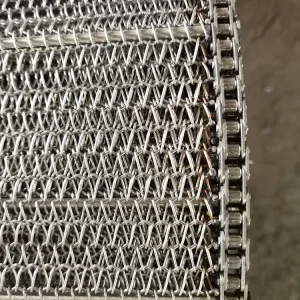
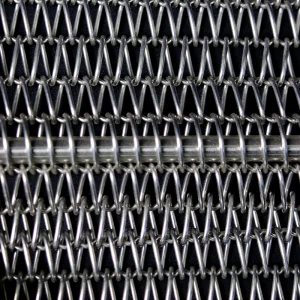
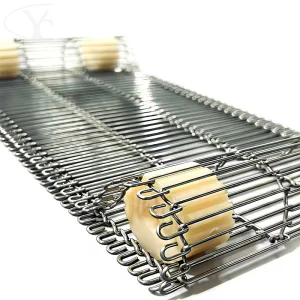
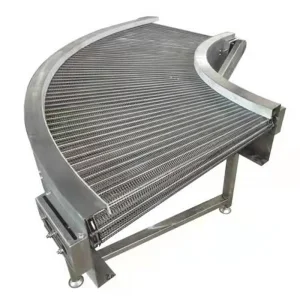
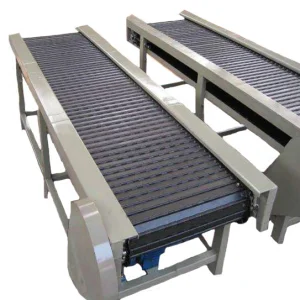
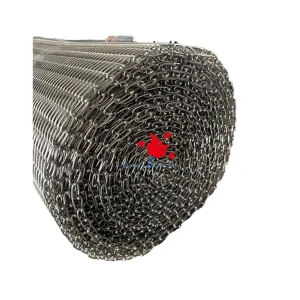
Wire Mesh Conveyor Belts Manufacturer & Supplier serving Switzerland

Premium Metallurgical Engineering, FDA/EHEDG Hygienic Standards, and Resilient Global Supply Chain Solutions for Swiss Industrial Leaders

Switzerland Industrial Synergy: Meeting Strict Process Engineering Standards

From Basel's pharmaceutical corridors to the watchmaking clusters of the Jura Arc, Swiss industries demand mechanical systems of absolute precision.

Switzerland's industrial landscape is globally recognized for its hyper-specialized manufacturing processes and strict regulatory environments. Whether processing premium chocolates in Zurich, pasteurizing dairy products in Fribourg, or executing cleanroom processing of micro-components in Neuchâtel, the machinery used must conform to rigorous hygienic, physical, and chemical standards.
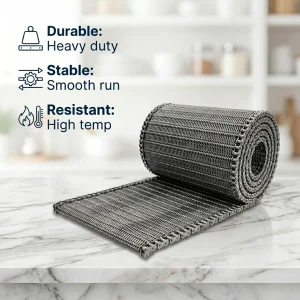
Dongguan Trakkx Tech Co., Ltd. custom designs and manufactures wire mesh conveyor belts that directly align with these Swiss operational demands. We utilize top-tier, certified stainless steel alloys (SS304, SS316L, and SS314) and advanced polymeric materials to produce belts that tolerate rapid thermal transitions, resist intensive chemical cleaning processes (CIP), and eliminate the risk of foreign object contamination. By focusing on hygienic design, durability, and smooth mechanical tracking, we help Swiss manufacturers minimize downtime, achieve regulatory compliance, and optimize resource efficiency.

Chocolate & Confectionery

Delicate tempering, cooling, and coating lines in Swiss chocolate manufacturing require high open-area mesh belts. These ensure uniform airflow, controlled thermal cooling, and residue-free releases.

Pharma & Chemical

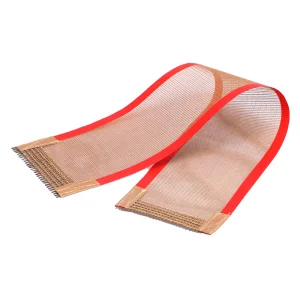
Corrosion-proof AISI 316L stainless steel and high-temperature PTFE belts withstand acidic environments, sterile autoclaves, and aggressive dry-heat sterilization protocols.

Hygienic Food Packaging

FDA-compliant and EHEDG-aligned wire structures enable deep mechanical cleaning and minimize bacterial aggregation points, ensuring compliance with strict European food safety regulations.

Metallurgical Specifications & Engineering Performance

A detailed breakdown of materials, tensile capacities, and thermal boundaries engineered for high-demand processing.

Selecting the correct metallurgical composition is crucial for extending the lifespan of conveyor belts operating in demanding chemical or high-temperature environments. Standard carbon steels fail rapidly under chemical washdowns or temperature swings. The table below outlines our standard material configurations developed to resist corrosion and structural fatigue under continuous load conditions.
Material Grade Alloy Composition (Nominal) Operating Temp Range Corrosion & Acid Resistance Primary Industrial Applications
AISI 304 / SS304 18% Cr, 8% Ni -40°C to +800°C Moderate (Atmospheric, mild organic acids) Standard food processing, baking, packaging, vegetable washing
AISI 316 / SS316 16% Cr, 10% Ni, 2% Mo -60°C to +850°C High (Chlorides, phosphoric & acetic acids) Marine environments, chemical transport, pharmaceuticals, highly salted food
AISI 310S / SS314 25% Cr, 20% Ni Up to +1150°C Excellent (Anti-oxidation at extreme heat) Sintering, continuous annealing ovens, heat-treating watch components
PTFE (Glassfiber Mesh) PTFE Coating on Glassfiber -70°C to +260°C Exceptional (Chemically inert, non-stick surface) Drying, UV curing, high-frequency drying, textile processing
Food-Grade Polyester PET Monofilament -20°C to +120°C Good (Resists moisture absorption and abrasion) Dehydration plants, fruit/vegetable drying, sludge dewatering
In addition to selecting the appropriate base alloy, Trakkx Tech implements precise mechanical calculations for wire pitch, rod diameter, and drive types (friction-driven vs. positive chain-driven). This prevents lateral tracking errors, slippage, and excessive elongation over time.
15+
Years Industry Experience
45+
Global Markets Served
100%
FDA/CE Compliance Rate
0.8µm
Max Surface Roughness (Ra)

Supply Chain Resilience: The Dongguan Trakkx Advantage

Leveraging China's manufacturing ecosystem to deliver high-performance conveying solutions with short lead times and reliable quality.

Modern supply chain management requires balancing cost-efficiency with high reliability. Based in Dongguan, the manufacturing heart of Southern China, Dongguan Trakkx Tech Co., Ltd. benefits from direct access to premium raw metal suppliers, advanced tooling facilities, and specialized logistics networks. This proximity allows us to source materials quickly, execute production runs efficiently, and ship custom orders with short lead times.
We understand the precision and compliance requirements of the Swiss market. Every batch of stainless steel wire undergoes spectrographic testing before production to confirm chemical composition and mechanical properties. Our engineering team designs custom mesh belts to fit existing conveyor frames, reducing installation times and ensuring compatibility. Whether you require a single replacement belt or a complete conveyor system, our structured production flow ensures reliable quality control from receipt of raw material to final shipping.
01

Spectrochemical Verification

Raw wire is tested to ensure accurate alloy composition prior to production.

02

Precision Weaving

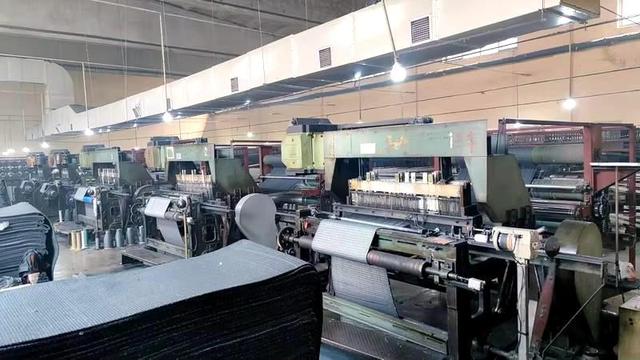
Automated looping machines maintain consistent pitch, aperture, and wire alignment.

03

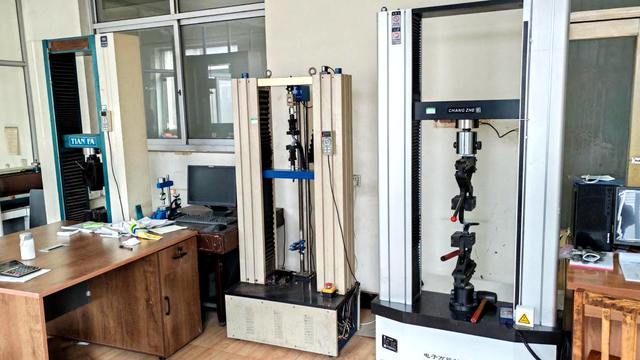
Tension & Load Tests

Assembled belts undergo static load and continuous tracking tests before packaging.

04

Expedited Logistics

Belts are packed in reinforced wooden crates and shipped via air or rail to Zurich or Basel hubs.

Technological Roadmap: The Future of Conveying Systems

Integrating Smart Sensors, Wear Telemetry, and Lightweight Structures for Energy Efficiency

Conveyor technology is evolving beyond static mechanical systems toward connected components. Driven by European energy directives and Swiss sustainability goals, industrial facilities are seeking ways to reduce energy consumption and improve uptime.
Our research and development program focuses on three main engineering areas:
1. Lightweight Design: By optimizing the ratio of wire thickness to open-area mesh, we have reduced the weight of our stainless steel belts by up to 15% without sacrificing tensile strength. This reduces the motor load during startup and continuous operation, directly lowering electricity usage.
2. Advanced Surface Treatment: Electro-polishing and clean-in-place optimization reduce surface roughness below Ra 0.8 µm. This smooth finish helps prevent bacteria and chocolate residues from sticking, reducing water and chemical consumption during washdowns.
3. Wear Telemetry: We assist Swiss engineers in integrating strain gauge sensors and RFID tracking on the conveyor drive shaft. This system tracks real-time belt elongation and pin wear, allowing maintenance teams to address issues before structural failures occur.

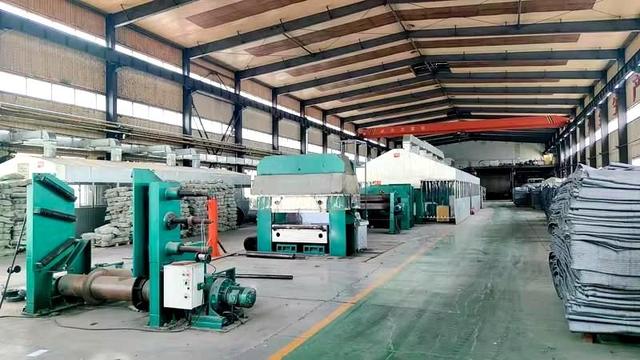
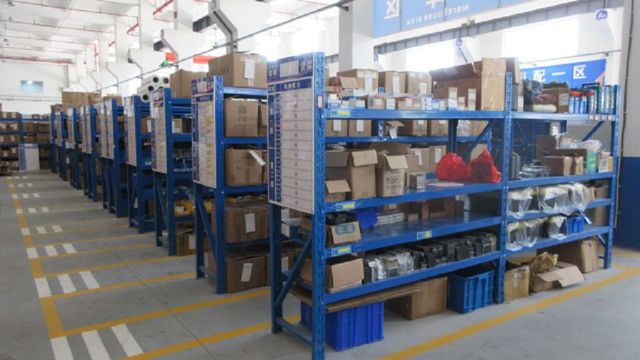
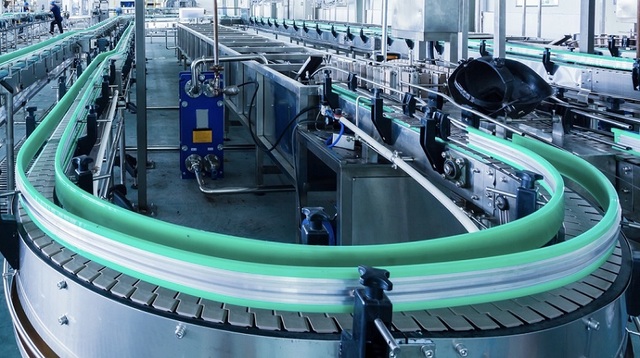
Dongguan Trakkx Manufacturing & Quality Control Facilities

Every conveyor belt is engineered and tested in our ISO 9001-certified factory to ensure reliability under continuous industrial loads.
Engineering White Paper: Wire Mesh Belt Selection & Compliance

An engineering guide on load dynamics, chemical washdowns, and European hygiene standards.

Selecting the appropriate wire mesh conveyor belt requires balancing mechanical engineering requirements, chemical exposure, and food safety regulations. In European food processing, guidelines from the European Hygienic Engineering & Design Group (EHEDG) and EC Regulation 1935/2004 set strict rules for food-contact materials. The following analysis discusses the primary factors Swiss process engineers should consider when designing new conveying systems or retrofitting existing lines.

1. Hygienic Design & Cleanability (CIP Systems)

In processing plants handling chocolate, meat, or pharmaceuticals, biological growth is a primary concern. Traditional modular plastic belts can develop micro-cracks and joints that house food debris and bacteria, even after sanitation washdowns.
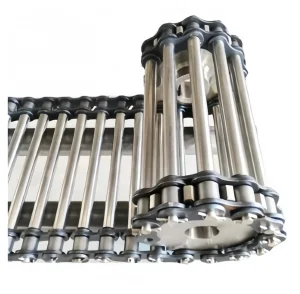
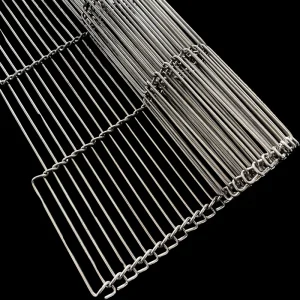
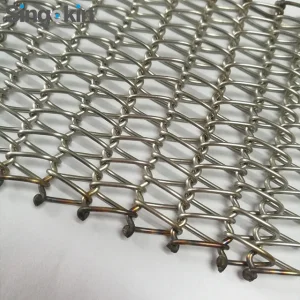
Open-weave wire mesh belts (such as single-loop rod belts and balanced spiral weave belts) provide maximum visual and physical access. They feature minimal contact points, allowing CIP spray systems to reach all surfaces of the wire. This open design facilitates thorough cleaning, reduces chemical usage, and shortens washdown times.

2. Managing Thermal Transitions and Stress

Industrial ovens, pasteurization tunnels, and cryogenic freezers subject conveyor belts to rapid temperature changes. The expansion rate of stainless steel under heat can lead to tracking issues and structural stress if not properly managed.
For high-heat baking applications (exceeding +250°C to +800°C), thermal expansion must be accommodated in the drive geometry. Utilizing alloys like AISI 310S or AISI 314 prevents oxidation and maintains the material's yield strength. For freezing operations, the steel must remain ductile at sub-zero temperatures (down to -40°C) without developing cracks.

3. Drive Geometry: Friction vs. Positive Drive

Choosing between a friction-driven system and a positive sprocket-driven system depends on the load, speed, and positioning requirements of the process line:
  • Friction Drives: Rely on tension rolls to drive the belt. They work well for long, straight conveyors with uniform, light-to-medium loads. They require precise alignment to prevent tracking errors.
  • Positive Drives (Chain-Edge Belts): Feature side chains that engage with driving sprockets. This setup ensures slip-free running, reliable tracking, and consistent movement, making it suitable for heavy loads, wet conditions, and sloped conveying.

Need an Engineered Solution for Your Conveying Line?

Contact our engineering desk today. We provide CAD model support, material certifications, and customized quotes tailored to your system requirements.

Send Inquiry Now

Technical & Engineering FAQ

Direct, technical answers to common questions regarding material selection, installation, and tracking maintenance.

What are the primary differences between AISI 304 and AISI 316 stainless steel for Swiss food processing?
AISI 304 is the standard grade for general food contact, offering good corrosion resistance under typical wet cleaning conditions. AISI 316 contains 2-3% Molybdenum, which provides increased resistance to chlorides (found in salt and brine) and acidic food residues. For processes involving high salt concentrations or acidic cleaners, AISI 316 is recommended to prevent pitting corrosion.
How does Trakkx Tech calculate thermal expansion for belts in high-temperature ovens?
We use the linear thermal expansion formula: ΔL = L₀ * α * ΔT, where L₀ is the original length, α is the coefficient of thermal expansion for the alloy, and ΔT is the temperature difference. We adjust the pulley positioning and side-clearance tolerances in our designs to accommodate this expansion, preventing belt deformation and tracking issues.
Do your wire mesh conveyor belts comply with European food safety regulations?
Yes. Our food-grade conveyor belts comply with EC Regulation 1935/2004, FDA guidelines for direct food contact, and relevant EHEDG design principles. We provide material compliance certificates (EN 10204 3.1) upon request.
What is the lead time for custom conveyor belts shipped to Switzerland?
Custom production runs typically require 7 to 15 working days, depending on the specifications and volume. Shipping to Switzerland via air freight takes 5 to 7 days, while rail transport via the China-Europe Express takes approximately 18 to 22 days. We coordinate customs documentation to facilitate clearance at Swiss ports of entry.
How can we prevent tracking errors on friction-driven wire mesh belts?
Tracking errors are typically caused by uneven drive roll tension or misaligned shafts. We recommend using crowned drive rollers, verifying shaft alignment with precision instruments, and installing guide rollers or edge-guided chains for applications with shifting lateral forces.
Can you provide replacement belts that match third-party conveyor systems?
Yes. By providing us with details on pitch, wire thickness, overall width, and drive details, we can manufacture replacement belts that match the dimensions of your existing equipment.