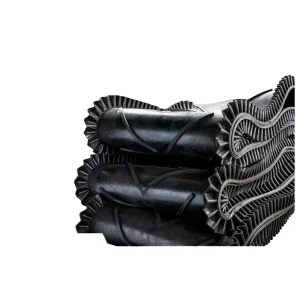
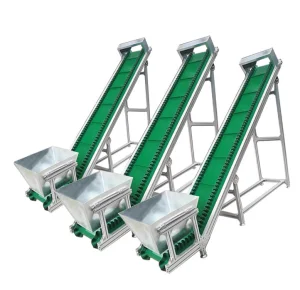
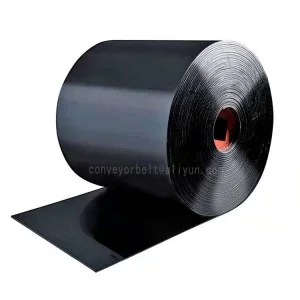
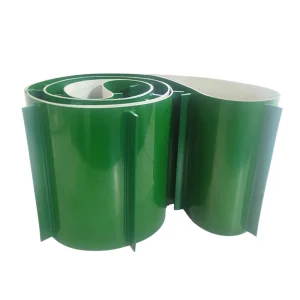
Engineered with High-Tension Structures, Flame Retardancy, and Compliance Ratings for Demanding Environments
Dongguan Trakkx Tech Co., Ltd. is a prominent China conveyor belt manufacturer specializing in advanced material handling and conveyor solutions for global industries. Backed by solid technical expertise in engineering dynamic conveyor systems, we provide stable, efficient, and customized belt conveyor systems to optimize production lines, increase throughput, and reduce operating costs.
Our versatile product line includes high-efficiency conveyor belts, modular belts, roller conveyors, inclined sorting belts, packaging lines, and tailored material handling accessories. Whether operating in packaging, warehousing, pharmaceutical distribution, or heavy mineral transport, Trakkx Tech systems are engineered to perform reliably under challenging plant conditions.
"We integrate robust engineering with precision manufacturing to deliver performance-driven conveyor setups. Our technical engineers provide end-to-end support—from structural layout and custom formulation selection to prototyping, installation, and after-sales support."
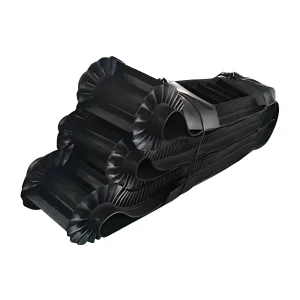
In high-throughput industrial logistics, straight running conveyor belts are essential for maintaining alignment, preventing material loss, and reducing mechanical wear. Standard conveyor systems often experience tracking deviations due to uneven load distribution, structural shifts, or mechanical tolerances. Straight running belts utilize advanced weave patterns, material profiling, and guide systems to maintain a centered path, reducing maintenance costs.
Engineered with uniform warp-and-weft tension ratios. Balanced tensioning prevents asymmetric stretching, keeping the belt centered during long production runs and variable loads.
Features reinforced, molded, or sealed edges that resist fraying when contacting guides. This construction maintains belt integrity and prevents lateral tearing from friction.
Available in specialized polyurethane (PU), polyvinyl chloride (PVC), and rubber composites. Formulations provide high friction coefficients, chemical resistance, and food-grade safety.
Selecting a straight running belt requires evaluating key engineering parameters to ensure compatibility with your system's design tension and speed requirements:
China leads the manufacturing of industrial conveying components, supported by robust supply networks, advanced material science, and modern production technology. Sourcing from a specialized supplier like Dongguan Trakkx Tech Co., Ltd. provides distinct advantages in quality, customization, and cost-efficiency:
Chinese manufacturers operate near key petrochemical clusters, facilitating the development of advanced polyurethane (PU), PVC, and rubber formulations. This proximity enables the production of specialty compounds—such as oil-resistant, cut-resistant, and high-conductivity options—faster and more cost-effectively than regional manufacturers elsewhere.
Using automated high-frequency welding machines and CNC extrusion technology, we apply tracking guides (V-guides) and cleats directly to the belt base. This precise bond ensures consistent tracking and high tear resistance even under lateral loads.
Dongguan Trakkx Tech Co., Ltd. offers comprehensive OEM and ODM support, including:
Inside Dongguan Trakkx Tech: High-Capacity Machinery, Advanced Testing, and Process Quality Control
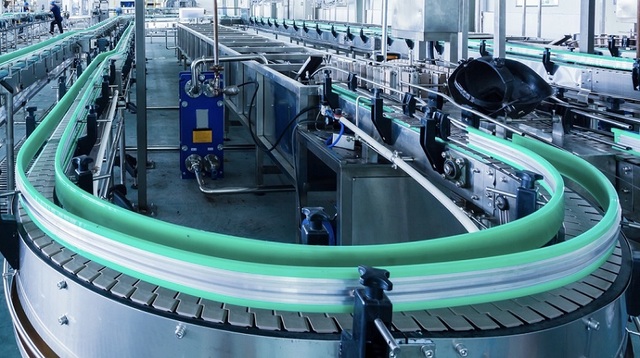
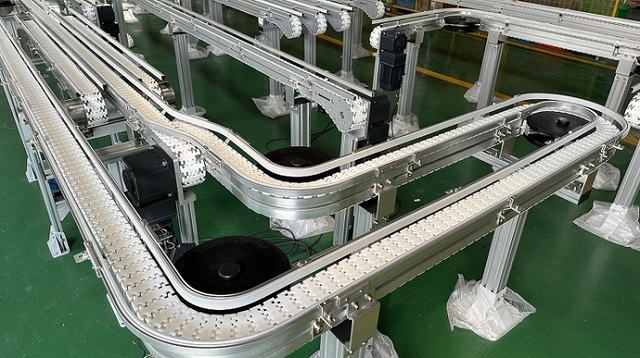
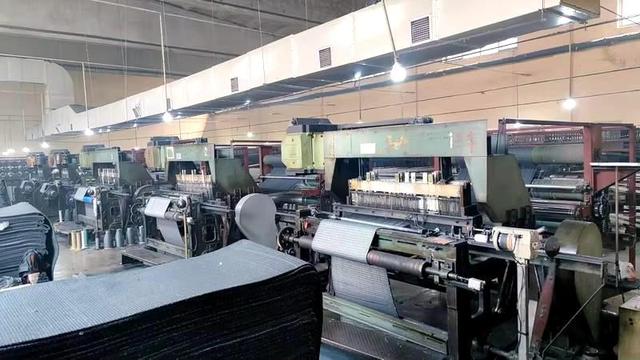
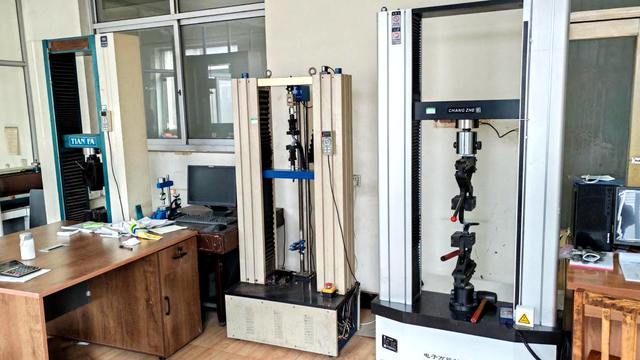
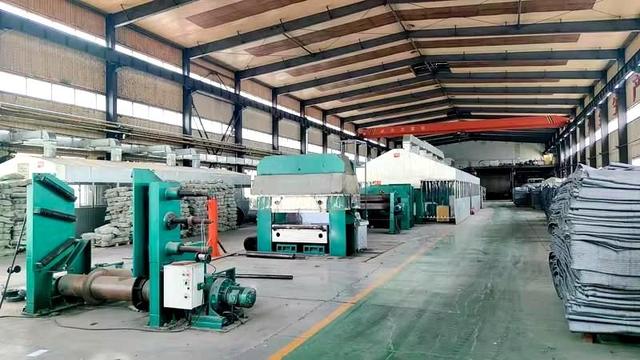
Modern material handling requires systems tailored to specific industrial challenges. Below are four key sector applications where straight running belting improves operating efficiency:
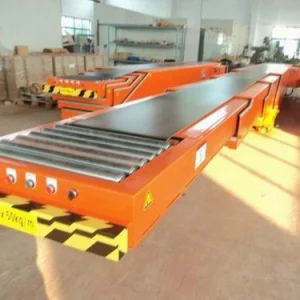
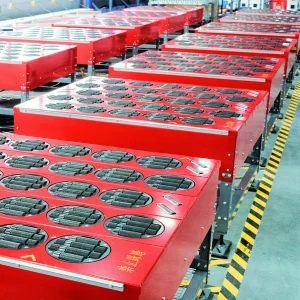
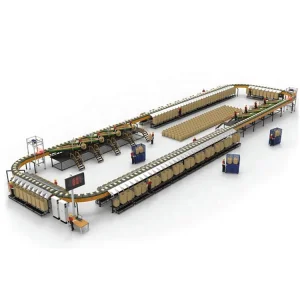
In modern fulfillment centers, logistics sorters operate at speeds exceeding 2.5 m/s. Small deviations in belt tracking can misalign parcels, leading to scanning errors or system jams. Our high-speed straight running belts, featured on telescopic belt conveyors and parcel sorters, maintain centering under rapid load cycles, ensuring smooth sorting and consistent throughput.
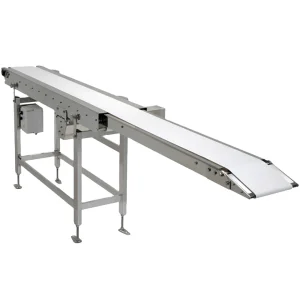
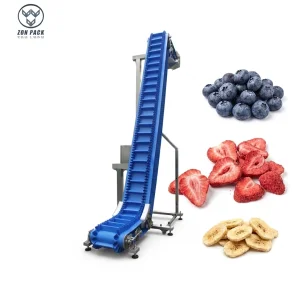
Food processing facilities require high standards of hygiene and performance. Our food-grade conveyor belts are engineered to resist animal fats, vegetable oils, and harsh sanitizing chemicals. Designed with sealed edges, these belts prevent bacteria buildup and fiber fraying, helping facilities meet USDA and FDA compliance standards.
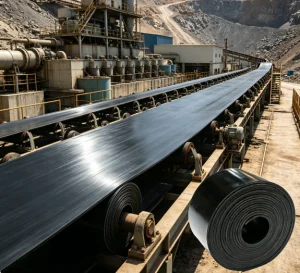
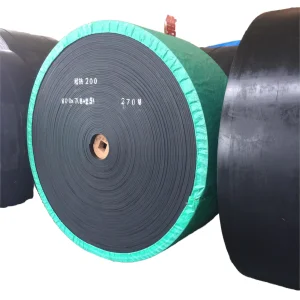
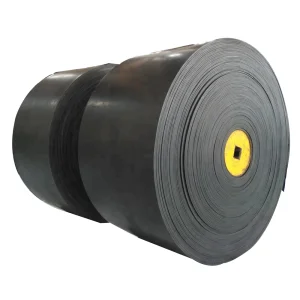
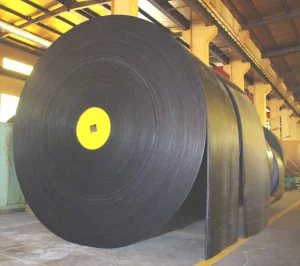
Transporting heavy materials like iron ore, sand, and coal requires durable belt constructions. Our steel cord rubber conveyor belts and multi-ply fabric belts deliver high tensile strength (up to 25MPa) and impact resistance, preventing structural deformation under heavy bulk loads.
Automotive assembly and airport baggage systems require reliable, continuous conveyor operation. Using low-noise fabrics and fire-resistant materials, our belts support smooth transport across long assembly spans, helping operators reduce downtime and maintenance costs.
Expert Guidance on Selecting, Tracking, and Maintaining Industrial Straight Running Belts
Engineered with Wear-Resistant Compounds, Cleated Formations, and Modular Mesh Interfaces
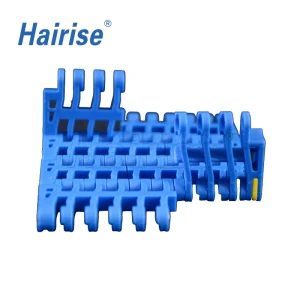
 Trakkx Tech