Top China Logistics Belts Factory & Exporters

Next-Generation Heavy-Duty Conveying Systems and Specialized Industrial Belting Engineered for Maximum Throughput, Exceptional Durability, and Seamless Global Supply Chain Operations.

Precision Engineered Conveying Systems

High-performance industrial belt components designed to reduce friction, minimize wear, and maximize operational uptime across diverse industrial domains.
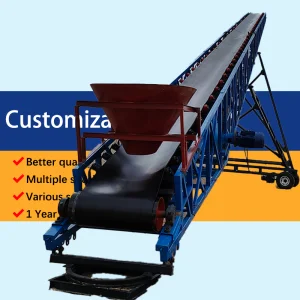
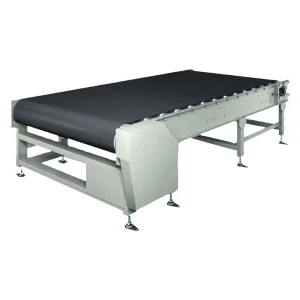
Customized Heavy-Duty Rubber Belt Conveyors
Customized Heavy-Duty Rubber Belt Conveyors Stainless Steel Belt Adjustable Speed for Coal/Stone with Price
View Technical Details
Rubber Belt Conveyor PVK Belt Conveyor
Rubber Belt Conveyor ,PVK Belt Conveyor ,Medium And Heavy Weight Belt Conveyor(WBC)
View Technical Details
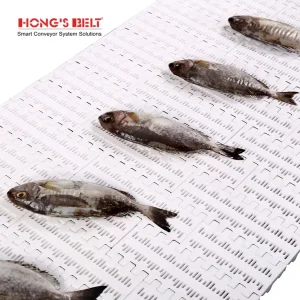
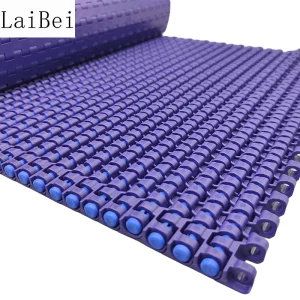
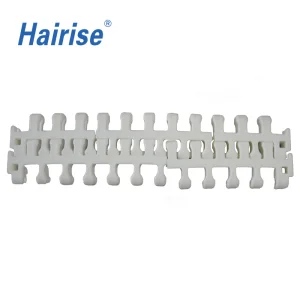
Hongsbelt Modular Conveyor Belts
Hongsbelt Conveyor Components Modular Conveyor Belts Plastic for Intralox Series 800 Perforated Flat Top
View Technical Details
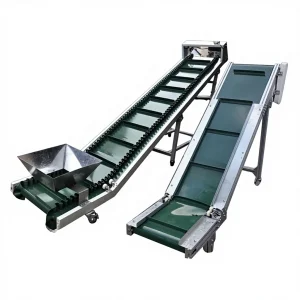
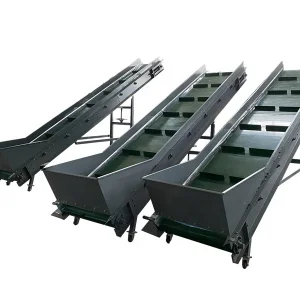
Incline Height Lifter Hopper PVC Conveyor Belt
Incline Height Lifter Hopper PVC Conveyor Belt 50m/min Speed Durable Design for Bulk Material Handling Multi-Voltage
View Technical Details
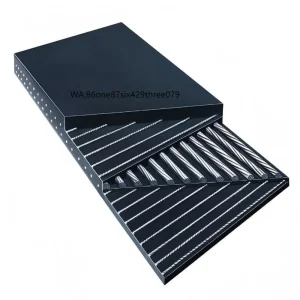
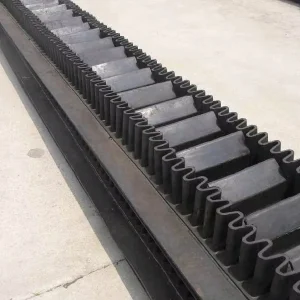
Bucket Elevator Rubber Sidewall Steel Cord Conveyor Belt
Bucket Elevator Rubber Sidewall Steel Cord Conveyor Belt for Cement /Mining
View Technical Details
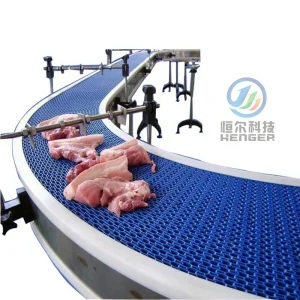
HE POM Conveyor Belt Production Line
HE POM Conveyor Belt Production Line Meat Processing Line For Cattle Slaughterhouse
View Technical Details
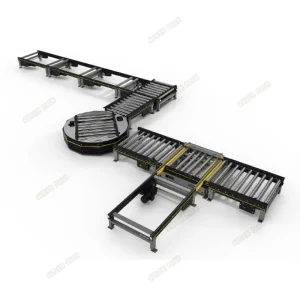
Pneumatic Food Tobacco Conveyor Turntable
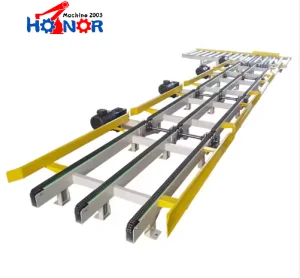
Factory Custom Automatic Pneumatic Food Tobacco Pallet Roller Chain Belt Conveyor Transport Turntable Transfer Lifting
View Technical Details
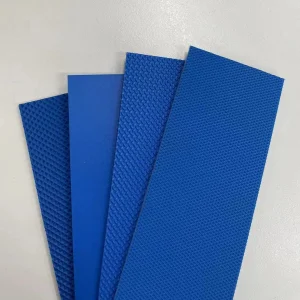
Wear Resistant Polyurethane Belt Conveyor
Wear Resistant Polyurethane Belt for Industrial Food Conveyor
View Technical Details

Optimizing Global Material Flow: The Strategic Role of High-Performance Conveying Systems

In the highly competitive landscape of modern logistics, e-commerce, and industrial manufacturing, operational efficiency is directly linked to the mechanical systems driving material movement. At Dongguan Trakkx Tech Co., Ltd., we serve as a pivotal engineering partner for global enterprises, designing, testing, and manufacturing next-generation conveyor belts that satisfy intense performance criteria.

Conveyor systems are no longer treated as passive elements in a production line; they are active, data-integrated mechanisms that determine the throughput potential of distribution hubs, heavy mining terminals, and hygiene-critical food processing plants. Sourcing the right material handling equipment represents a critical operational leverage point for modern logistics leaders.

"Industrial conveyor belts represent the vascular system of the modern factory. A single percent increase in belt longevity or decrease in friction coefficients directly translates to significant savings in lifecycle costs and energy footprints."

Through dedicated research and development in polymer science, high-tensile fabrics, and rugged steel reinforcement structures, Trakkx Tech bridges the gap between raw capacity and smart utility. Our solutions are deployed to solve specific physical challenges, ranging from high-angle vertical ascents to strict sanitization standards.

15+
Years of R&D Excellence
50+
Countries Served Globally
99.8%
System Reliability Rating
ISO
9001:2015 Certified

Our manufacturing headquarters in Dongguan integrates advanced production methodologies with strict quality management protocols. Every conveyor belt, whether fabricated from customized PVK, cross-linked polyurethane (PU), or heavy-duty synthetic rubber, undergoes rigorous static dynamic testing to verify performance limits prior to shipping. We manage the entire lifecycle—from design consultation to international logistics fulfillment.

Why Dongguan: The Global Core of Smart Manufacturing

Unlocking structural advantages through specialized industrial zones, integrated raw material access, and advanced assembly scale.

Integrated Industrial Ecosystem

Located in the Pearl River Delta industrial corridor, Dongguan Trakkx Tech draws upon an unparalleled ecosystem of steel mills, precision motor builders, chemical formulation experts, and mechanical component vendors. This physical proximity cuts lead times and allows rapid engineering changes without delaying schedules.

Uncompromised Quality Control

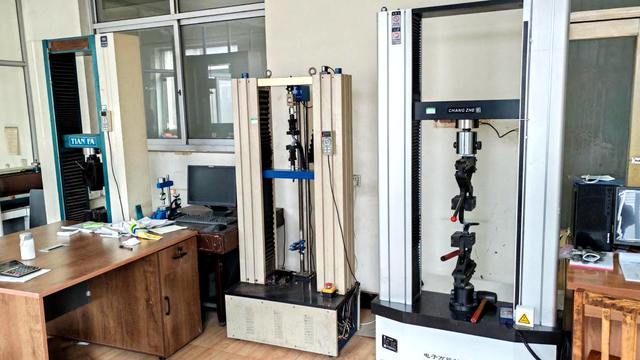
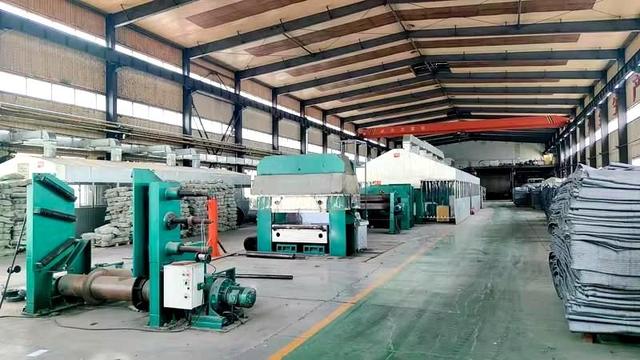
We leverage automated vulcanizing presses, digital tensile testing equipment, and laser thickness profiling systems. By reducing manual steps, we keep product consistency high, ensuring that conveyor belts perform reliably even under harsh operating conditions.

OEM & ODM Tailoring

We provide full design integration. Global system integrators can submit custom width, length, and profile requirements. We manufacture custom conveyor styles—such as curved configurations, bucket elevators, and incline hoppers—to match client-provided schematics.

Macro Industry Solutions

Targeted material handling strategies customized to address localized environmental challenges and complex material characteristics.
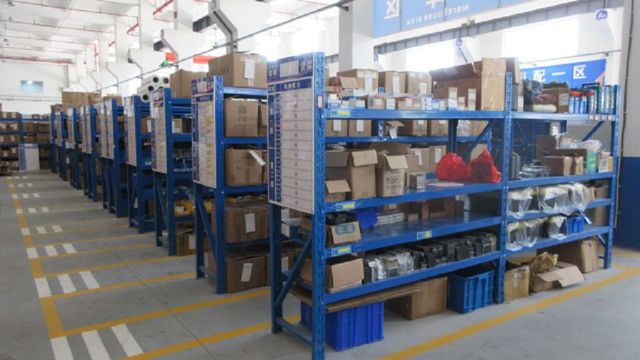
Conveyor belt manufacturing facility

E-Commerce & High-Frequency Warehousing

Distribution centers require conveyor systems capable of continuous operation during peak demand periods. Under these conditions, typical PVC belts can degrade quickly from friction, generating static charges that can disrupt electronics or pose a safety risk.

Trakkx Tech designs specialized PVK and flame-retardant PVC conveyor belts. These belts feature cross-woven polyester fabrics coated in a polymer blend that resists abrasions and prevents static buildup. They keep tracking stable and run quietly, making them ideal for high-capacity parcel sorting hubs, urban distribution hubs, and sorting systems.
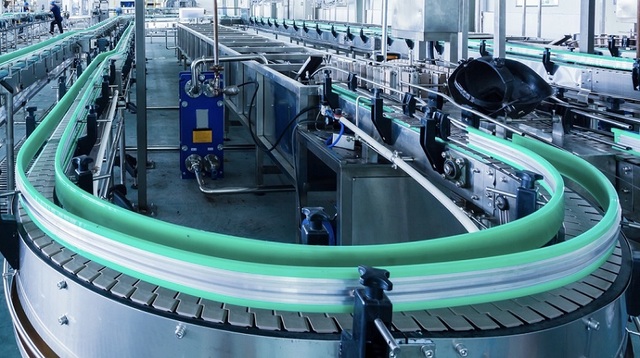
Conveyor drum and roller system

Heavy-Duty Extractive Industries

Transporting coal, stone, metal ores, and raw cement requires belts that can withstand extreme mechanical impact, sharp cutting edges, and outdoor weather exposure. Standard conveyor designs can stretch or tear under these heavy loads.

Our steel cord reinforced rubber conveyor belts and corrugated sidewall bucket elevators use high-tensile rubber compounds. These materials cushion impacts and prevent longitudinal tears. The raised sidewall designs allow for steep incline angles, up to 90 degrees, helping facilities maximize their vertical space without losing raw capacity.
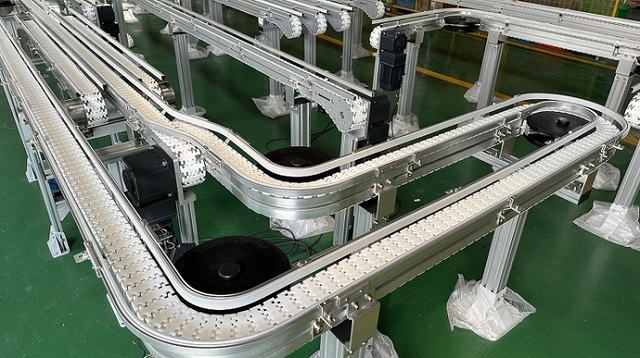
Modular plastic belt production

Sanitary Food Processing & Meat Packaging

Food manufacturing demands high sanitation standards. Any surface crack or oil absorption can harbor bacteria, which could compromise product safety and compliance. Regular washdowns with harsh chemicals also accelerate material wear.

Our solutions include FDA-compliant polyurethane (PU) belts and polyoxymethylene (POM) modular plastic chains. Designed to resist oils and fats, these belts can handle a wide range of temperatures. Their smooth surfaces make cleaning easy, helping facilities maintain sanitary conditions while standing up to high-pressure sanitizing washdowns.

Technology Trends: The Future of Conveying

How Smart Belts and Eco-friendly Materials are Transforming Modern Production Facilities

Intelligent Tracking & Sensor Integration

Embedding RFID chips and magnetic sensors within the belt layers allows tracking systems to monitor belt wear, tension levels, and alignment in real-time, helping prevent unexpected downtime.

Energy-Optimized Undercovers

Our energy-saving belt undercovers reduce rolling resistance over rollers, helping lower electrical consumption in large-scale sortation and distribution centers.

Customized Cleats & Profiles

High-frequency welding enables precise placement of custom-molded profiles, sidewalls, and guiding tracks on PVC or polyurethane bases to prevent material slippage on steep inclines.

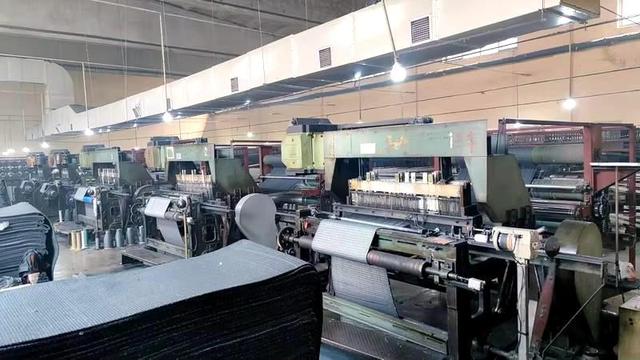
Dongguan Manufacturing Facility & Technology Lab

Examine the machinery, testing chambers, and assembly floor where Trakkx Tech industrial conveying solutions are manufactured.
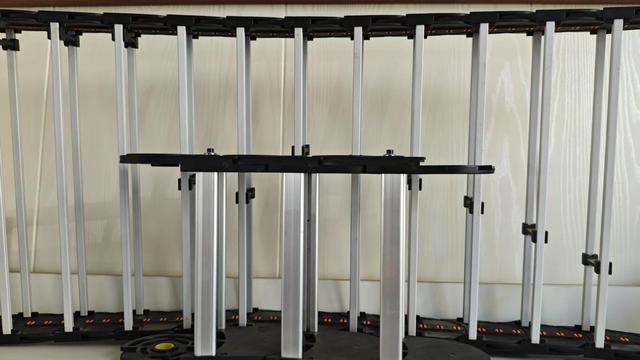
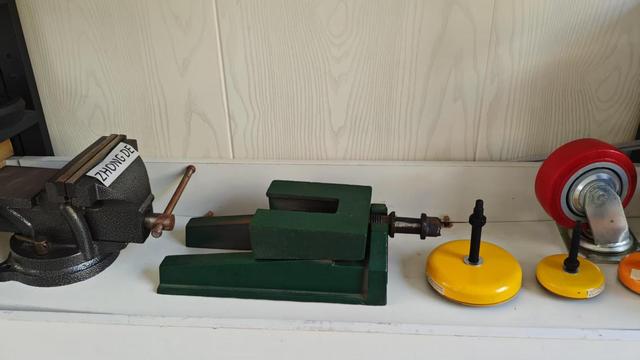
Conveyor belt manufacturing facility 1
Conveyor belt manufacturing facility 2
Conveyor belt manufacturing facility 3
Conveyor belt manufacturing facility 4
Conveyor belt manufacturing facility 5
Conveyor belt manufacturing facility 6
Conveyor belt manufacturing facility 7
Conveyor belt manufacturing facility 8

Advanced Industrial Components Portfolio

Explore our specialized products, ranging from heat-resistant PVC units to modular food-grade belts.
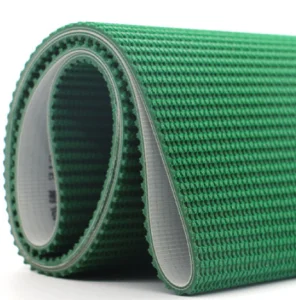
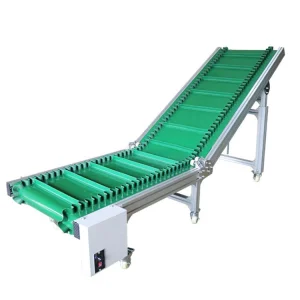
Custom White PVC Conveyor Belt
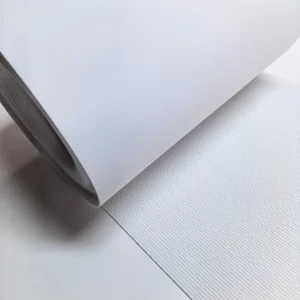
New Custom White PVC 3.5mm Thick 2-Ply Adjustable Speed Durable Food Grade Conveyor Belt Mining Logistics Ceramic Industrial Use
View Technical Details
Heat Water Resistant PVC Belt Conveyor
Heat Water Resistant PVC Belt Conveyor Industry Conveyor Belt Machine System Band Conveyors With Factory Price
View Technical Details
Rubber Conveyor Belt Factory Price
Rubber Conveyor Belt Factory Conveyor Belt Price
View Technical Details
Motorised Pallet Conveyor Automatic Rubber Roller
New Style Motorise Pallet Conveyor Automatic Pulse Roller Transport For Pallets Steel Conveyor Belt With Rubber Material
View Technical Details
Custom Food Grade PU Conveyor Belts
Factory Custom Smooth Pu Food Conveyor Belt Foodstuff Industries Foodgrade Conveyor Belts For Food Industry
View Technical Details
Modular System Conveyor Belt M1220
Modular System Conveyor Belt M1220 Plastic High-Temperature Resistant Food-Grade Mesh Belt
View Technical Details
White Modular Conveyor Belt
ISO Supplier of White Modular Conveyor Belt Curved Plastic Chain
View Technical Details
Rubber PVC Belt Conveyor Loader Machine
Good Quality Rubber PVC Belt Conveyors Modular Rubber PVC Belt Loader Machine Industrial Inclined Bucket Belt Feeder Machine
View Technical Details

Technical Sourcing & Engineering FAQ

Answers to complex questions regarding material science, design limitations, and procurement operations.

Q1: What are the primary structural differences between PVK and PVC conveyor belts?
PVK (Polyvinyl Ketone) conveyor belts are made using a solid woven fabric carcass that is saturated with polymer resins. This design prevents separation of the layers, which can occur under heavy loads. PVK belts provide high puncture resistance and low noise, making them well-suited for parcel sorting facilities. Standard PVC belts, on the other hand, feature multi-layer fabric plies bonded together with PVC. This design is highly adaptable and cost-effective, but can be prone to edge fraying or ply separation in demanding, high-impact applications.
Q2: How does Trakkx Tech ensure food safety compliance for PU and POM belts?
Our polyurethane (PU) and polyoxymethylene (POM) conveyor belts are manufactured in accordance with strict FDA and EU hygiene regulations. The polymers we use contain no hazardous plasticizers or chemicals that could transfer to food. Additionally, these materials are designed to resist fats, animal oils, and chemical sanitizers. This resistance prevents microscopic cracking, helping food processing facilities maintain a sterile conveying environment.
Q3: What determines the selection of steel cord reinforcements over multi-ply fabric?
The decision is based on load weight, tension requirements, and transmission length. Steel cord reinforcement is ideal for long-distance transport and heavy loads (such as coal or cement extraction), as it minimizes belt stretch and can handle high working tensions. Multi-ply fabric belts (using polyester or nylon) are better suited for short-to-medium distance systems. They offer excellent flexibility, allowing them to wrap around smaller pulleys while keeping overall equipment weight lower.
Q4: Can conveyor belts be customized with specific tracking profiles or cleats?
Yes. We use high-frequency welding machines to attach tracking guides, V-cleats, and corrugated sidewalls to the base belt. This design helps transport materials up steep inclines without slippage. By fusing the profiles directly to the belt cover, we ensure they remain securely attached even during continuous, high-speed sorting operations.
Q5: What is the typical lead time for custom OEM/ODM conveyor designs?
For standard conveyor systems, lead times typically range from 15 to 20 business days. Custom engineering projects, which may require specialized molds, unique belt tracking layouts, or integrated pneumatic systems, generally take between 30 and 45 days. This timeframe allows our engineering team to complete modeling, carry out structural stress analyses, and perform rigorous quality control checks prior to shipment.
Q6: How are belt systems packaged to prevent damage during long-distance shipping?
Industrial belts are wound onto steel cores, wrapped in heavy-duty waterproof protective layers, and secured in reinforced steel or wooden crates. This protection prevents deformation, dampness, and surface damage during maritime transit. Conveyor frames are shipped as modular sub-assemblies, protected by foam lining and heavy straps to ensure they arrive ready for rapid installation.