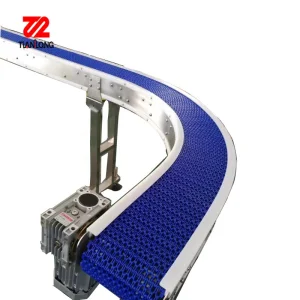
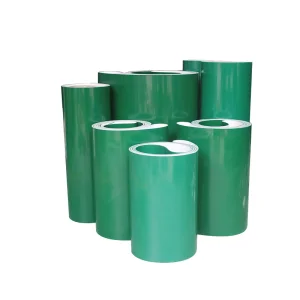
Engineered for extreme tensile strength, low elongation under load, and exceptional wear resistance. Review our flagship products constructed for robust operations worldwide.
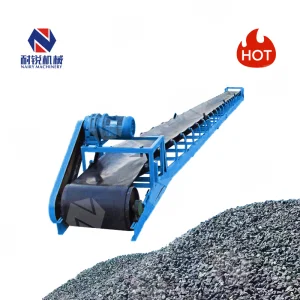
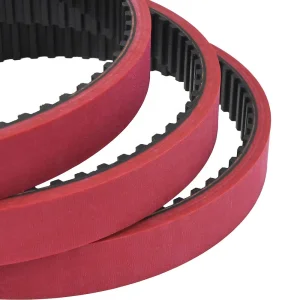
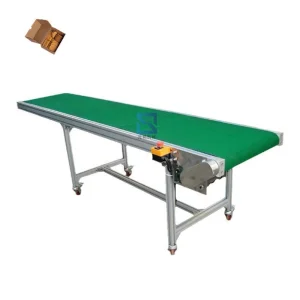
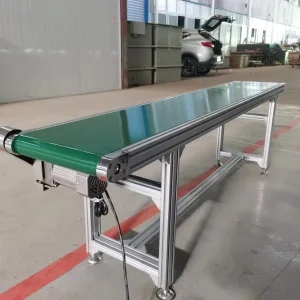
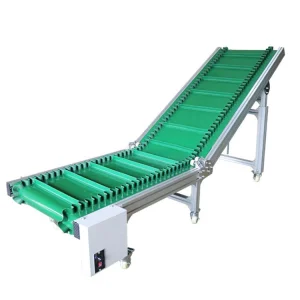
Dongguan Trakkx Tech Co., Ltd. is a leading China conveyor belt manufacturer, dedicated to the engineering, production, and distribution of industrial material handling solutions worldwide. Armed with profound field experience, we supply systems engineered to streamline production lines, reinforce workflow dynamics, and lower operational overheads.
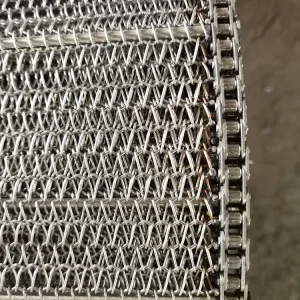
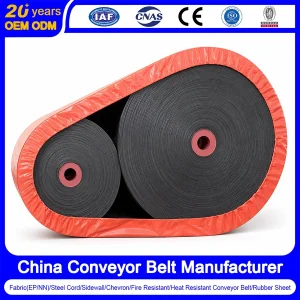
Our technical scope covers standard and specialized modular belts, rubber conveyor belts, roller conveying units, and custom high-tensile polyester-reinforced structures. By applying state-of-the-art polymer compounds and precision weaving techniques, we solve thermal, physical, and chemical challenges in harsh operation fields.
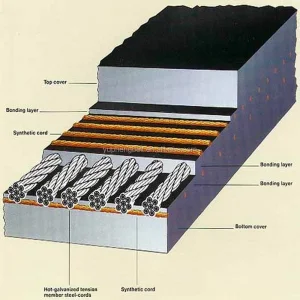
In heavy mining, metallurgy, and terminal logistics, the choice of reinforcement fabric defines system reliability and power efficiency. Polyester warp and Nylon weft (EP) fabrics represent the technological gold standard.
Polyester fibers boast an exceptionally high elastic modulus. This limits the belt's elongation during startup and high tension cycles, reducing the stroke distance needed for gravity take-up systems and preventing belt slip.
The nylon fibers woven horizontally (weft) absorb energy from high-drop feeding shoots. This crosswise elasticity maintains flexibility for optimal troughability while absorbing massive point-load impacts from jagged aggregates.
Unlike old cotton-reinforced belts, polyester fibers cannot absorb water or suffer biological decay. This makes them perfect for outdoor wash-down plants, coal prep terminals, and exposed mining environments.
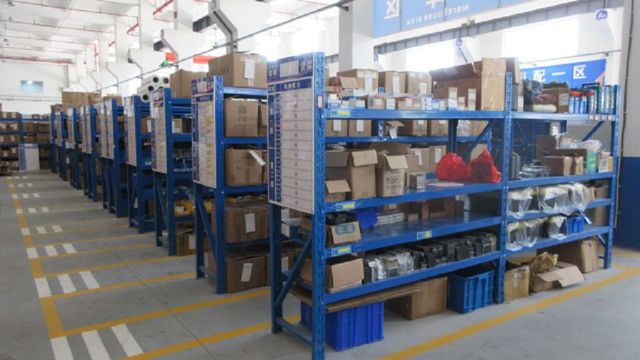
The modern supply chain demands consistent production cycles. Dongguan Trakkx Tech Co., Ltd. coordinates direct container logistics and regional warehousing to keep assembly lines and mining basins running non-stop. We solve bulk transit challenges by producing standardized, low-maintenance parts designed to match standard conveyor setups.
From the dense quarrying regions of Western Australia to industrial recycling hubs across Europe, our belts run in extreme temperatures, high humidity, and highly corrosive atmospheres.
No single belt design fits all environments. We configure outer rubber compounds and reinforcement structures to handle the chemical and physical demands of various fields.
Aggregates and metal ores demand high cut-and-gouge resistance. Our EP belts utilize premium vulcanized rubber covers (Grade M/N, DIN-X/Y) to handle abrasive stones, coal, and scrap metal, protecting the inner polyester core from damage.
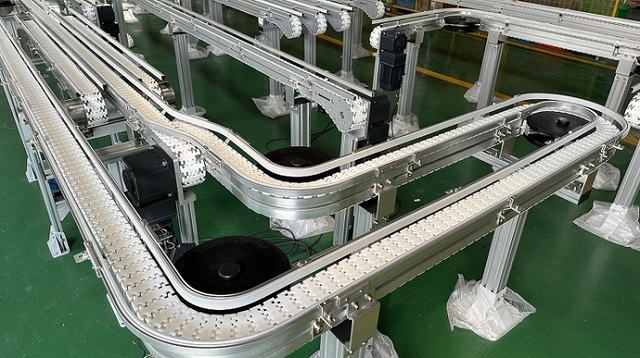
High-speed sortation facilities and VFFS packaging systems depend on consistent timing. We deliver integrally vulcanized rubber timing belts that prevent slip, maintaining synchronization under rapid stop-start stress.
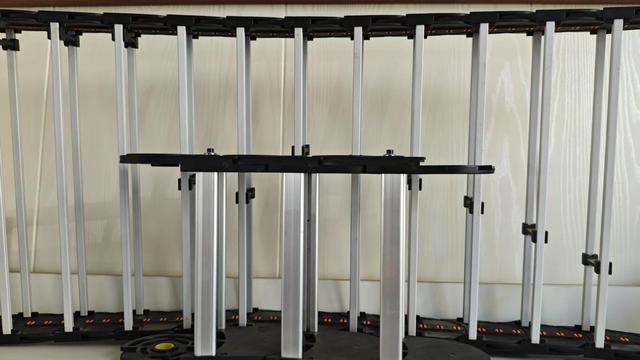
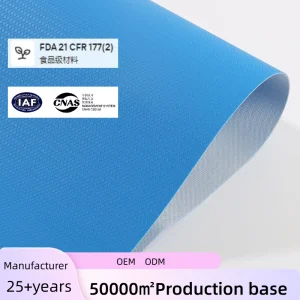
Food processing demands strict resistance to oils, fats, and chemical washdowns. Our PU and PVC food-grade belts prevent microbes from growing on the surface and resist cleaning chemicals, complying with FDA regulations.
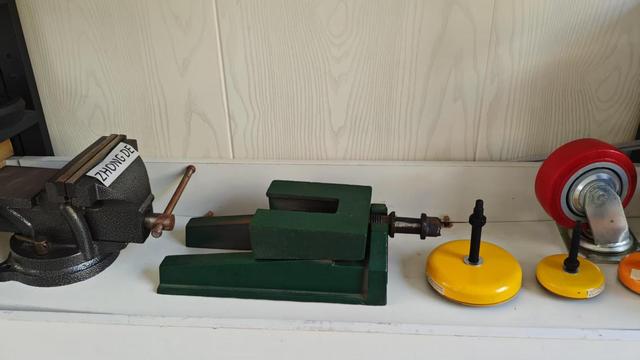
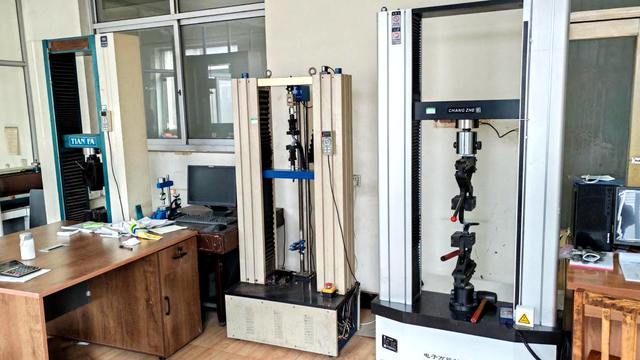
We back our products with strict testing procedures. Each production run of polyester conveyor belting undergoes stress testing at our quality control center before shipment to confirm tensile strength and elongation metrics.
Compliance with ISO 340 and MSHA flame-resistance protocols prevents safety hazards in subterranean mining operations.
Rubber compounds undergo DIN 53516 testing, maintaining volume loss limits under 90 mm³ to prolong service life under abrasive loads.
Our PU (Polyurethane) and PVC belts meet EU Regulation 10/2011 and FDA Title 21 CFR standards for sanitary food handling.
Industrial systems are changing. Dongguan Trakkx Tech Co., Ltd. continuously invests in advanced materials and sensor systems to lower operational overheads and support carbon reduction goals.
Integrating bio-based plasticizers and recycled polyester fibers reduces manufacturing emissions without sacrificing tensile strength.
Special backing compounds decrease drag against idlers, lowering motor electrical consumption by up to 15% on long-haul conveyor structures.
Embedded smart sensors track belt thickness, temperature, and splice health in real-time, helping prevent unexpected line failures.
Blending polyester warp fibers with aramid threads creates light, high-temperature belts for cement clinker and metallurgy applications.
Answers to critical engineering questions about choosing the right conveyor belt for bulk and packaging applications.
EP belts utilize polyester in the longitudinal direction (warp) and nylon in the transverse direction (weft). This design yields lower elongation under tension compared to NN belts, which use nylon in both directions. This means EP belts require shorter take-up travel distances and offer superior dimensional stability, making them preferred for mid-to-long distance conveyors.
Quarry conveyors handling heavy limestone or granite aggregates usually require 3-ply to 5-ply EP-200 or EP-250 polyester reinforcements. Total thickness varies from 10mm to 18mm, featuring a robust top cover of 5mm to 8mm of high cut-and-gouge resistant rubber (such as DIN X or M24 grade) to absorb drop impact.
Edge wear typically points to belt misalignment or tracking errors. Ensuring idler frames are square, pulleys are aligned, and self-aligning training idlers are strategically installed helps mitigate edge wear. We also offer molded-edge belts rather than cut-edge variants, sealing the internal polyester plies against ambient moisture and mechanical fraying.
Standard PVC conveyor belts generally operate safely in temperatures from -10°C to +80°C. In contrast, PU (polyurethane) conveyor belts maintain flexibility at lower temperatures, down to -20°C, and are highly resistant to food greases, hot water washdowns, and chemical cleaning agents.
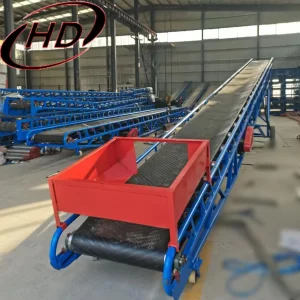
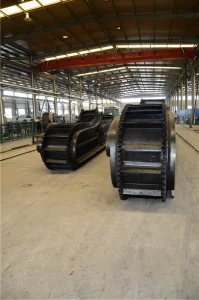
From corrugated sidewalls and bucket elevators to heat-resistant steel cord belts, explore our heavy-duty material handling line designed to meet specific engineering challenges.
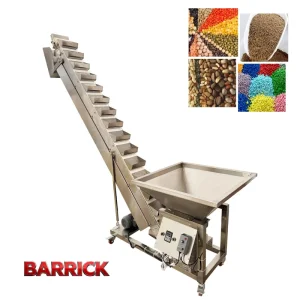
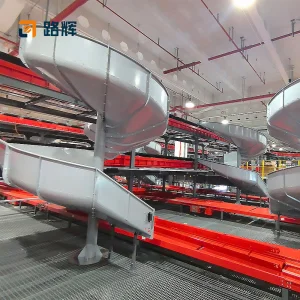
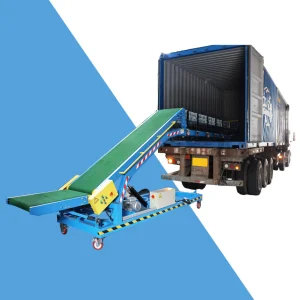
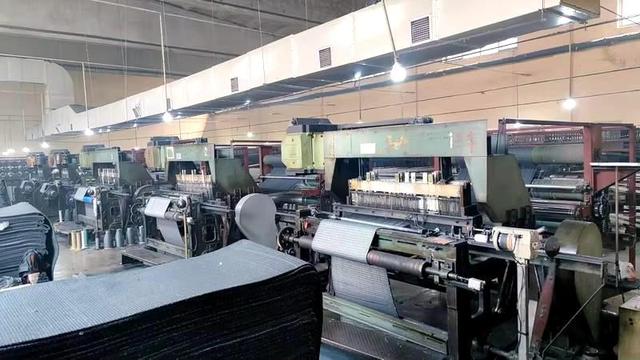
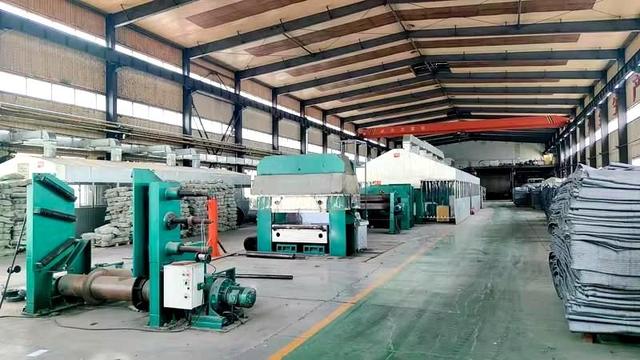
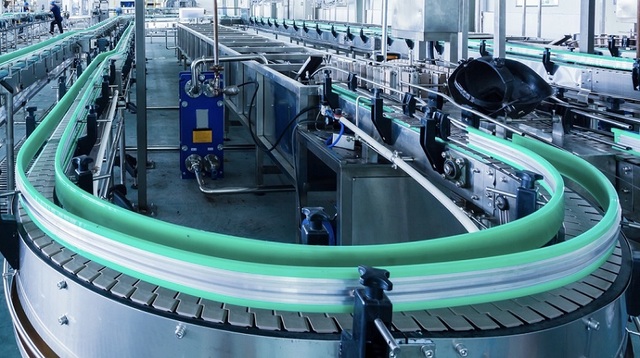
Take a look inside our specialized manufacturing facilities, processing plants, and testing yards, where our team designs, fabricates, and tests heavy-duty systems for global delivery.
 Trakkx Tech