Trakkx Tech
1 / 5
| Model NO. | EP Series, XE Series, XE-SC Series |
| Inside Material | Fabric |
| Feature | Oil-Resistant, Acid And Alkali Resistant, Tear-Resistant, Heat-Resistant, Cold-Resistant, Wear-Resistant |
| Tensile Strength | Strong |
| Colour | Black |
| Carcass Materials | Fabric |
| Thickness | 3~30 |
| Width | 300~2000mm |
| Tensile Strength (MPa) | 8~25 |
| Handled Materials | Cement, Coal Mine, Steel, Iron, Quarry etc |
| Transport Package | Standard Packing |
| Specification | GB, DIN, AS, RMA, SABS, BS |
| HS Code | 40101200 |
| Production Capacity | 1000 Meter Per Day |
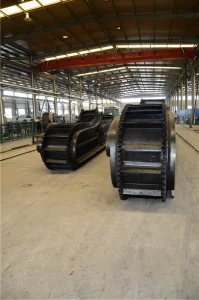
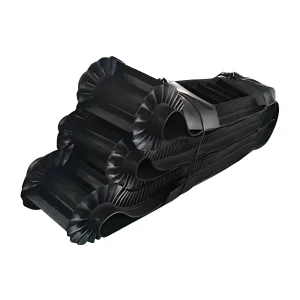
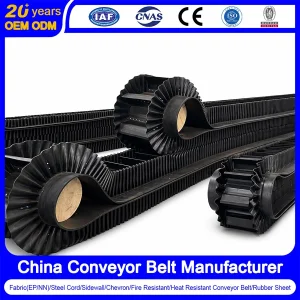
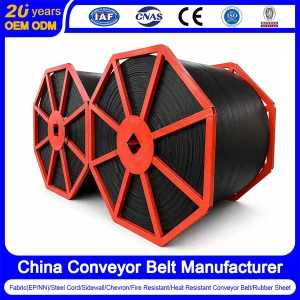
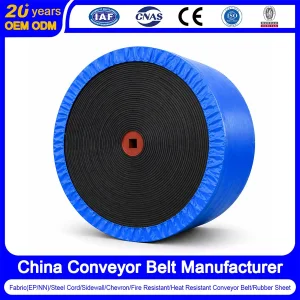
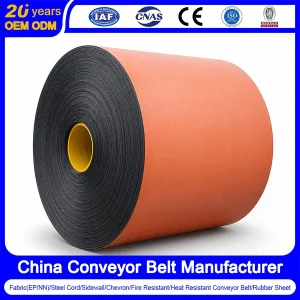
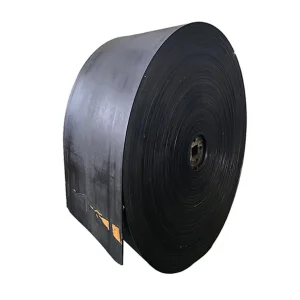
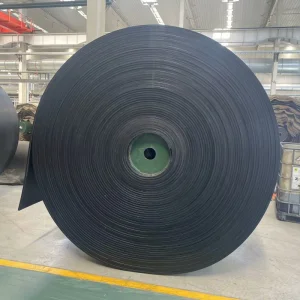
Consists of four parts: Top cover rubber, Bottom cover rubber, Reinforced core, and Cross rigid.
Made of enforced fabric, solid, anti-shock to avoid distortion.
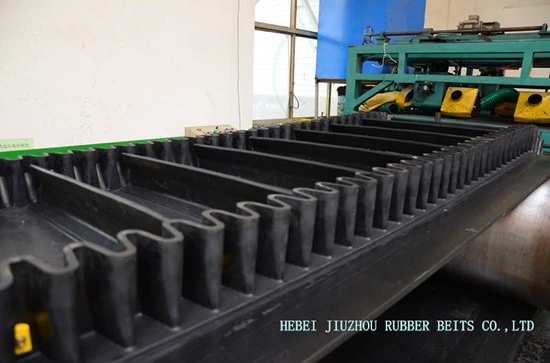
Structure Types: 1) Conventional type; 2) Transverse reinforcement type (XE, XE+2, XE-SC+2 etc.)
Compliant Standards: GB/T7984-2001, DIN22102, BS490, AS1332, RMA, JISK6322, SABS1173 etc.
Suitable for conveying easily sifted materials in powder, granulated and small lump, paste, and liquid. It is widely used in loading and unloading transportation systems such as ore mines, coal mines, stations, and wharves to convey materials in the shape of lumps, particles, and powders.
We select top-tier upstream suppliers for raw materials such as carcass fabrics. All raw material purchases are accompanied by quality test certificates to ensure reliability from the start.
Our strict quality control spans the entire process: raw materials, semi-finished products, and finished products. Every single step of the semi-finished product must be thoroughly tested before moving to the next stage.
All finished products undergo final inspection and testing. Only fully qualified products are permitted to leave the factory, guaranteeing optimal performance on site.
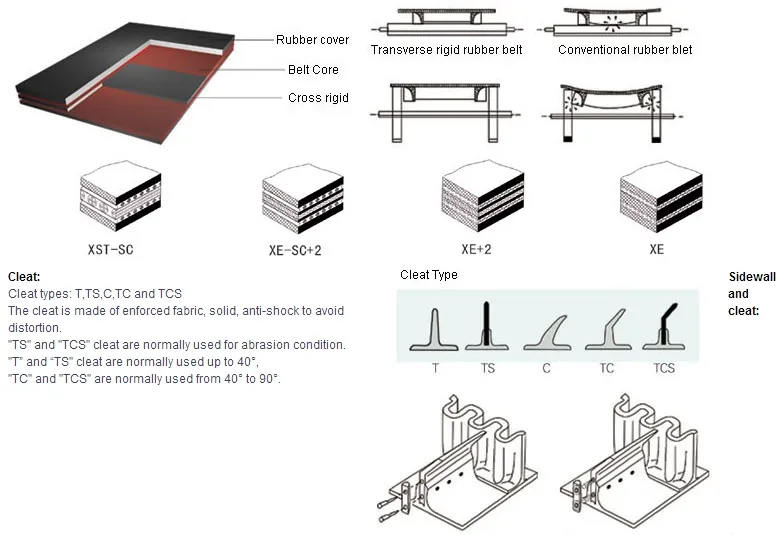
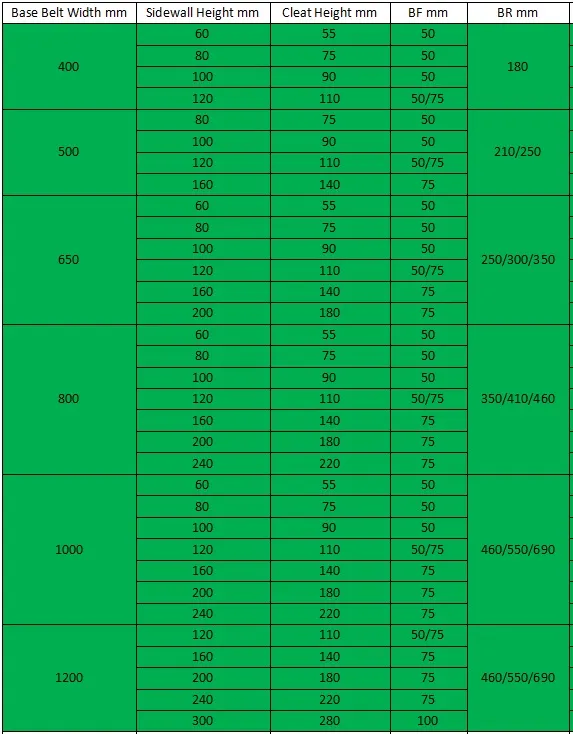
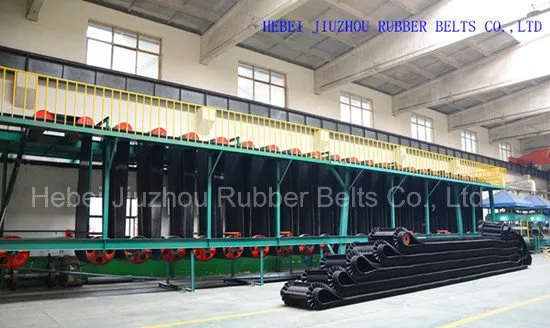
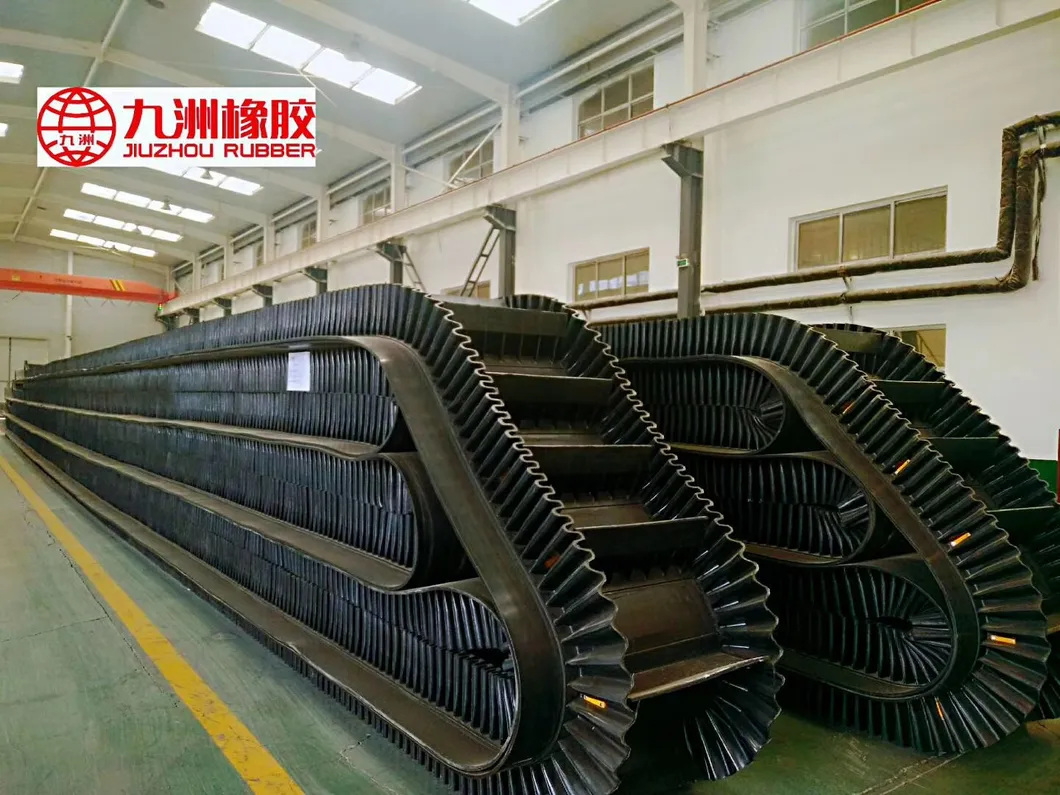
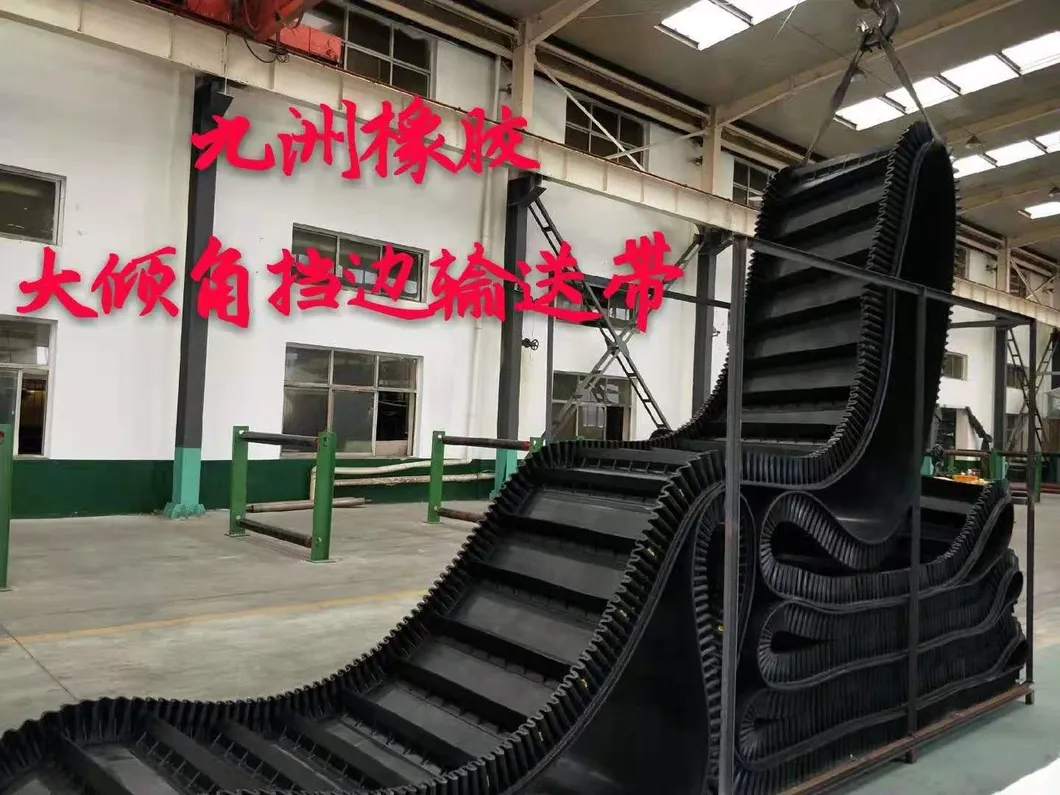
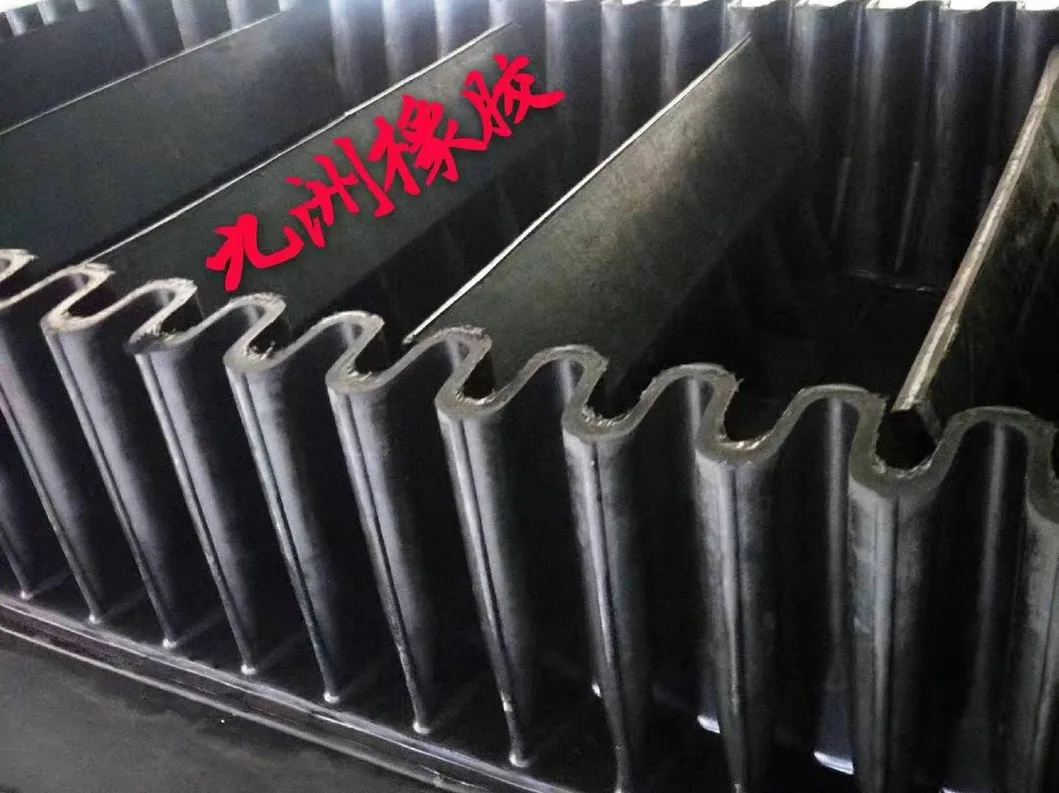
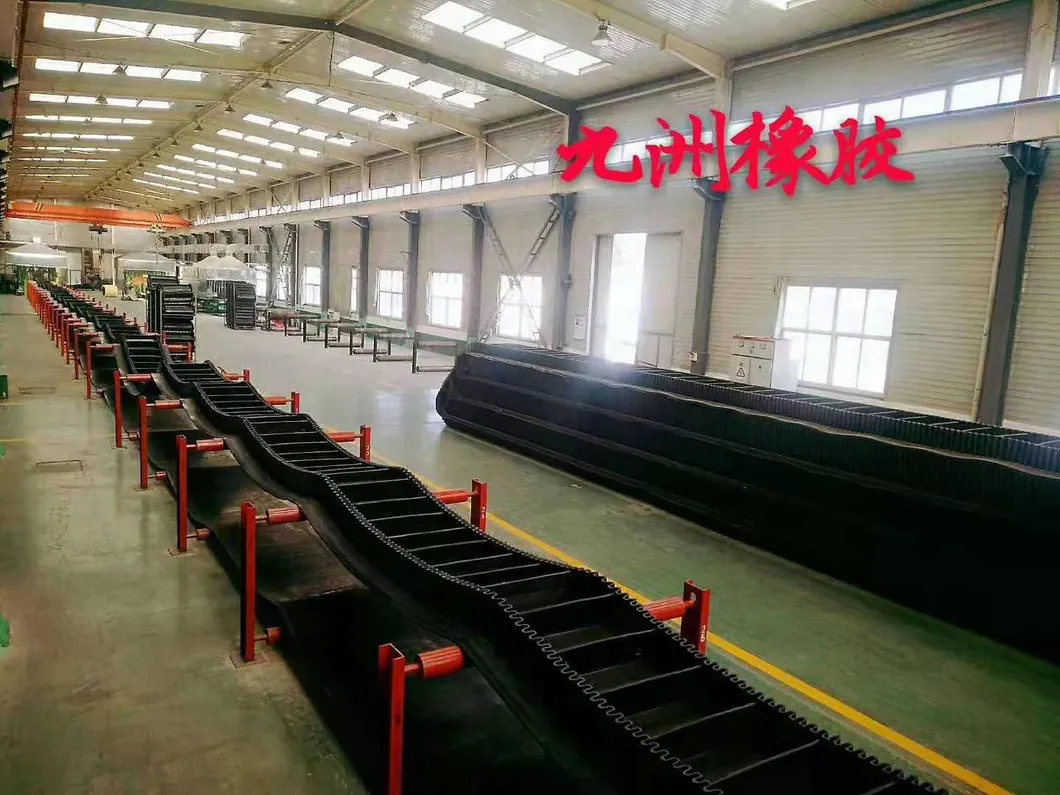
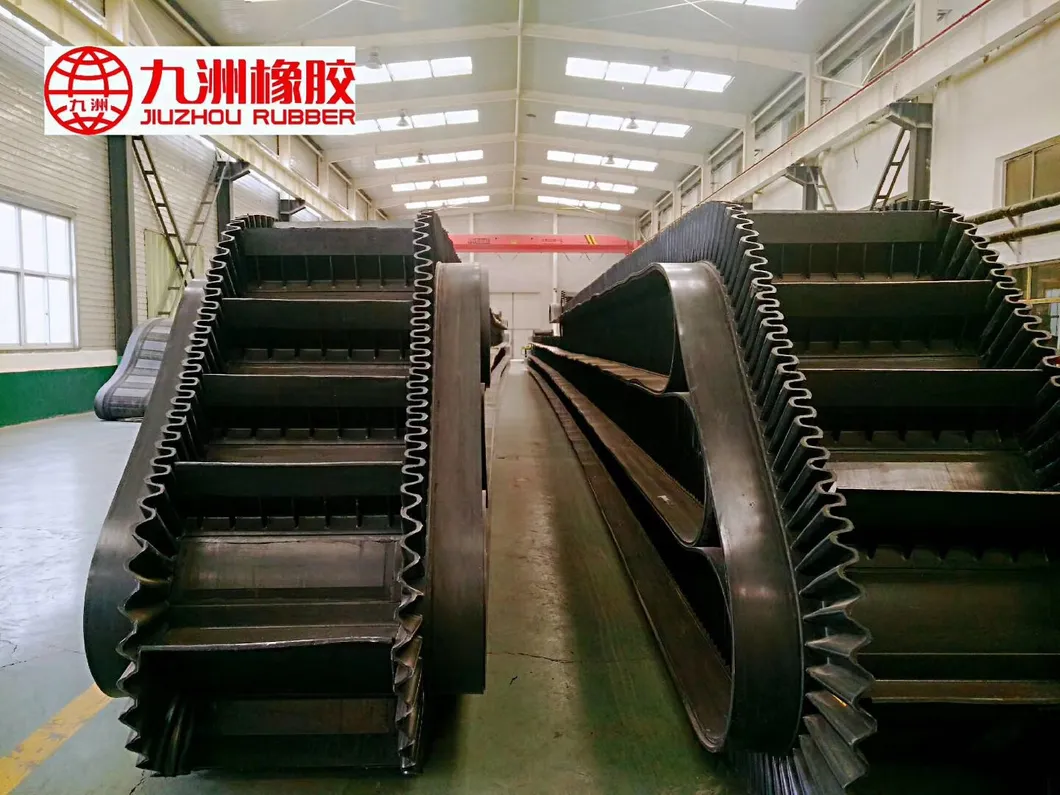
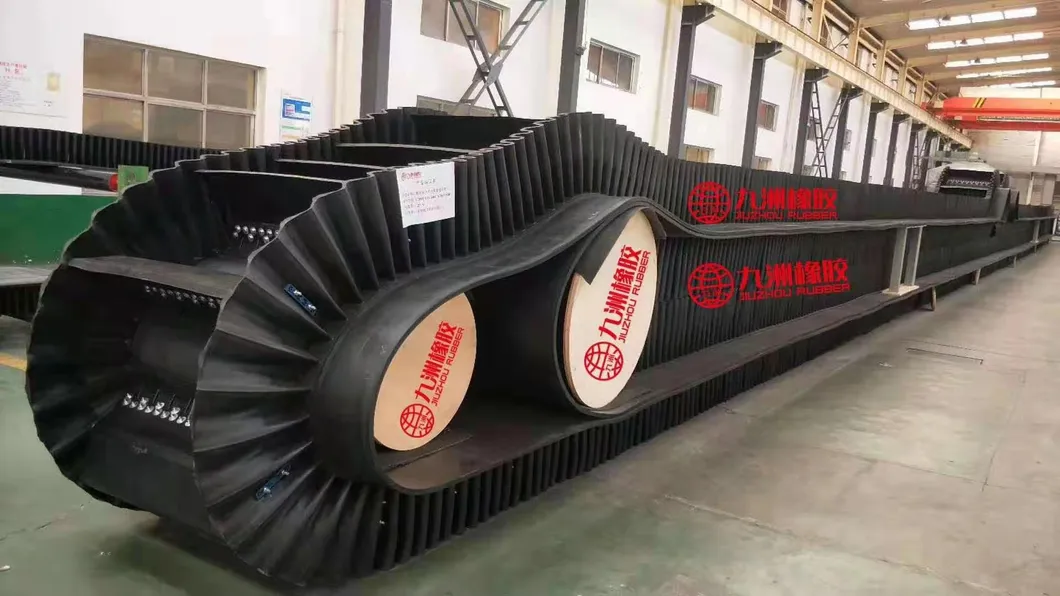
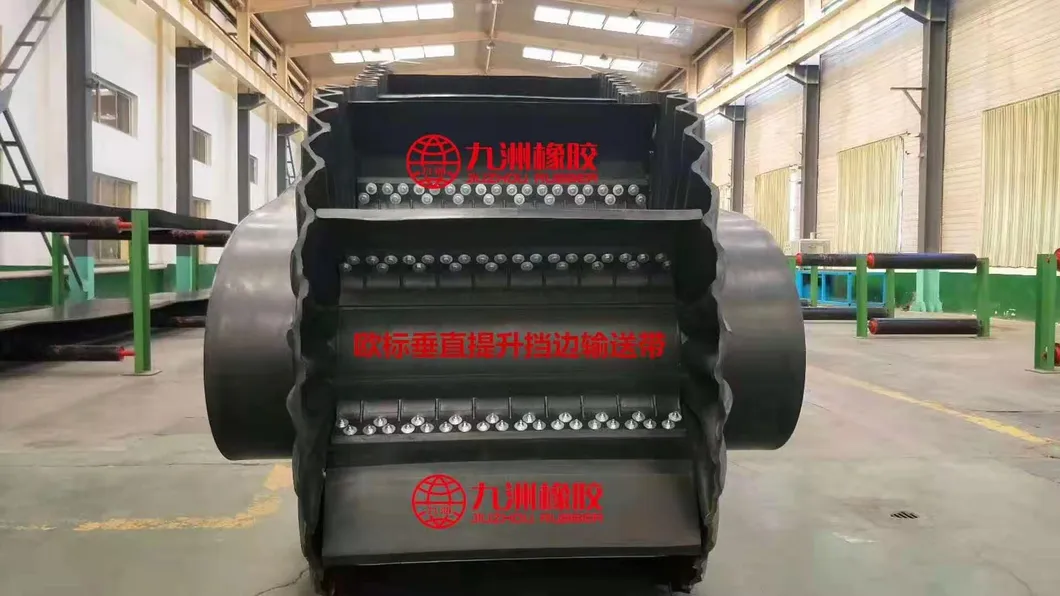
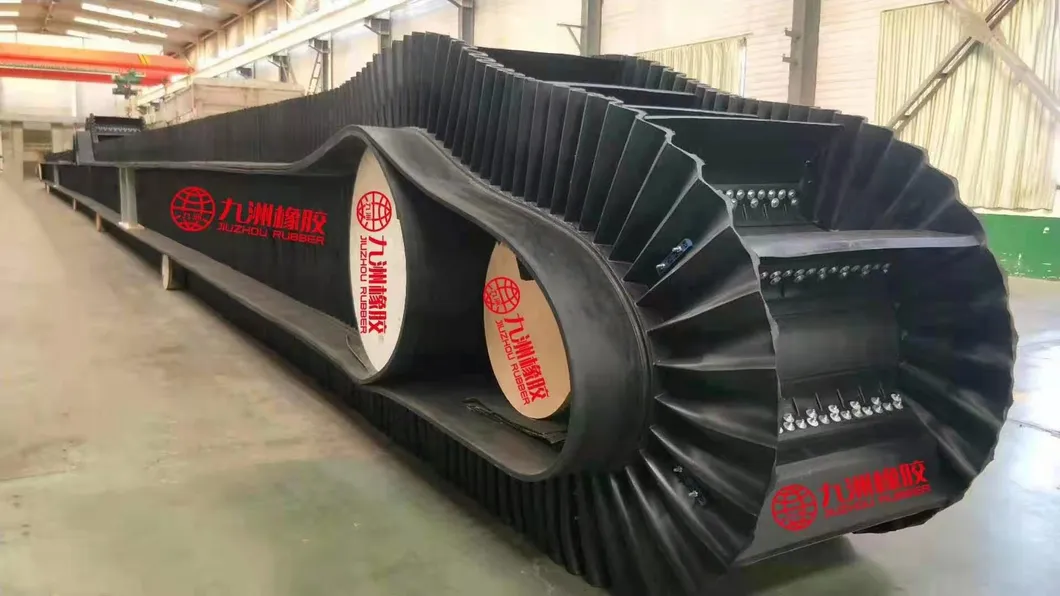
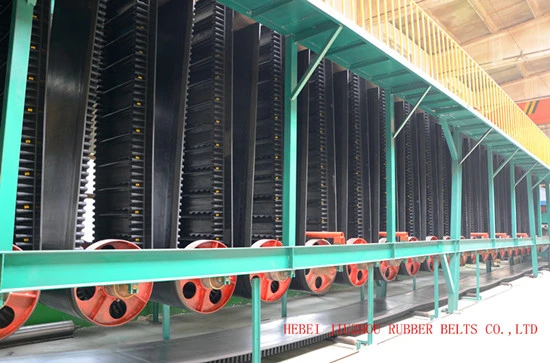
The belt is designed for steep-angle conveying ranging from 30ºC to 90ºC, allowing for smooth transition from horizontal to vertical transport.
The belt consists of four primary parts: top cover rubber (minimum 3mm thickness), bottom cover rubber (minimum 1.5mm thickness), reinforced core, and cross rigid construction.
"T" cleats are normally used for inclination angles up to 40 degrees, while "TC" cleats are designed for steeper applications ranging from 0 to 90 degrees.
Our conveyor belts are manufactured in compliance with major international standards including GB/T7984-2001, DIN22102, BS490, AS1332, RMA, JISK6322, and SABS1173.
It is ideal for easily sifted materials such as powder, granulated materials, small lumps, paste, and liquids. Common industrial settings include coal mines, ore mines, steel mills, quarries, stations, and wharves.
We implement a strict quality control system covering raw material inspections with certificates, semi-finished tests at every production step, and mandatory final tests for all finished products before factory dispatch.