Engineered for high efficiency, reliability, and minimized operational downtime
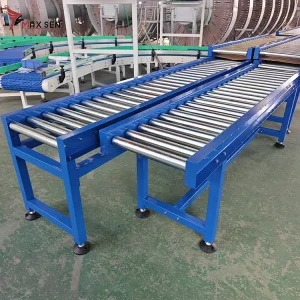
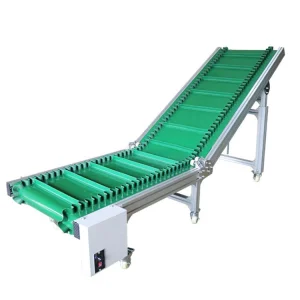
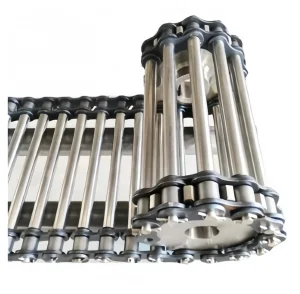
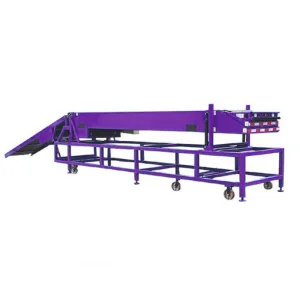
In modern bulk material handling, heavy industries, and automated packaging facilities, the efficiency of conveyor networks represents the backbone of operational profitability. However, one silent threat consistently undermines this infrastructure: material carryback. Carryback refers to the residual product that adheres to the return run of a conveyor belt rather than discharging at the designated head pulley. Over time, this residual material accumulates on idlers, pulleys, and structural frames, leading to misaligned belts, premature wear, safety hazards, and catastrophic mechanical failures.
To mitigate these issues, the implementation of engineered Belt Cleaning Systems (also referred to as belt scrapers or belt cleaners) is no longer an optional accessory; it is a critical operational standard. As a leading hub for manufacturing excellence, China has emerged as the premier global supplier of robust, cost-effective, and highly engineered belt cleaning assemblies. From primary polyurethane scrapers to specialized tungsten carbide secondary cleaners and motor-driven brush cleaners, Chinese exporters like Dongguan Trakkx Tech Co., Ltd. are driving innovations that maximize system uptime, lower maintenance overhead, and enhance workplace safety on a global scale.
SEO Insight & Information Gain: When sourcing conveyor belt cleaning systems, modern engineers prioritize the total cost of ownership (TCO) over the initial purchase price. A poorly designed scraper can accelerate belt wear, which costs significantly more to replace than a high-end cleaning system. Choosing the correct scraper material, mechanical tensioning system, and modular mounting setup prevents early failures and preserves the integrity of your primary conveyor belt asset.
Across various industrial sectors worldwide, conveyor systems face distinct challenges depending on the materials handled. In mining, aggregate, and cement production, abrasive dust, wet clay, and heavy ores pose severe risks of abrasive wear and mechanical seizure. In food processing, sanitation and chemical washdown compatibility are critical to prevent bacterial colonization. Belt cleaning systems are uniquely configured to address these diverse applications, ensuring that material is cleared efficiently before it can cause structural damage.
Reduces cleanup costs and prevents the accumulation of fugitive materials under the conveyor structure, minimizing environmental hazards and maintaining a clean work floor.
Accumulated material on return rollers forces the belt to track off-center. Proper scraping maintains symmetrical belt contact across all system pulleys.
By preventing abrasive grit from grinding between the belt and pulleys, cleaning systems extend the operational lifespan of expensive rollers, idlers, and lagging.
The global economic impact of conveyor system inefficiencies is substantial. Statistics from major bulk handling institutes suggest that up to 85% of all conveyor maintenance problems originate from carryback and tracking issues. By investing in multi-stage belt cleaning configurations, plant managers can expect a return on investment (ROI) that manifests as reduced manual labor costs, extended asset lifespans, and a significant drop in unscheduled operational shutdowns.
The engineering of belt cleaning assemblies has advanced from rigid, static plates to highly flexible, self-adjusting mechanical systems. Modern conveyor operations rely on a combination of different scraper profiles, each positioned at specific points along the conveyor path to perform sequential cleaning duties.
Positioned on the face of the head pulley, just below the material discharge trajectory, primary cleaners remove the bulk of the material adhering to the belt (typically up to 60-70%). Modern primary scrapers utilize high-grade polyurethane blades molded with unique profiles that maintain a constant cleaning angle even as the blade wears down. The spring-loaded or air-tensioned mounting systems ensure that the blade applies consistent pressure against the belt surface without causing friction damage.
Located immediately behind the head pulley where the belt leaves the discharge area, secondary and tertiary scrapers target sticky fines and moisture. These systems typically utilize harder materials, such as tungsten carbide tipped blades, segmented to conform to the curvature or irregularities of the belt surface. Dual-blade systems, combining a flexible polyurethane pre-cleaner with a rigid tungsten carbide secondary cleaner, achieve up to 98% cleaning efficiency, protecting return rollers from carryback contamination.
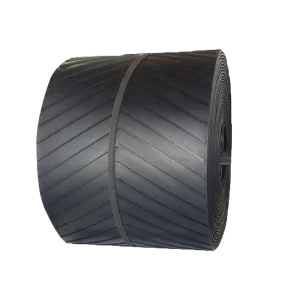
For cleated, chevron, or heavily ribbed conveyor belts, traditional scraper blades are ineffective. Industry trends have pivoted toward active cleaning systems. Motorized rotary brush cleaners, featuring durable nylon or polypropylene bristles, sweep materials from the pockets of cleated belts. Similarly, high-velocity air knives blast moisture and fine particulate off the belt surface, particularly in chemical processing and agricultural handling lines.
The integration of Industrial IoT (IIoT) represents the latest milestone in conveyor technology. Smart scraper systems feature embedded sensors that monitor blade wear, deflection, temperature, and tracking alignment in real-time. If a blade reaches its wear limit or experiences impact from a mechanical belt fastener, the system automatically alerts operators via telemetry. This transitions conveyor maintenance from a reactive or scheduled model to a predictive model, preventing catastrophic belt failures before they occur.
Procurement departments tasked with acquiring conveyor components face a delicate balancing act. They must manage initial equipment expenditures while ensuring compatibility, high reliability, and compliance with local safety and environmental laws. Below is a strategic matrix detailing the key criteria that international buyers prioritize when selecting their belt cleaning system suppliers:
Blades must be formulated to withstand specific operational stresses. In food processing, this requires FDA-compliant, food-grade materials. In underground mining, components must meet MSHA (Mine Safety and Health Administration) flame-resistant and anti-static standards. Certifications verify that the products will perform safely in high-risk environments.
Procuring proprietary cleaning systems can lock operators into expensive sole-source contracts for replacement blades. Global buyers favor manufacturers that offer modular, universally compatible scraper frames. This allows the integration of standardized, off-the-shelf replacement blades, simplifying supply chains and lowering long-term operating costs.
Conveyor belts often operate in confined, hard-to-reach spaces. Scraper brackets that require complex tools or extended shutdowns for service increase operational overhead. Modern systems utilize slide-out mounting bars, tensioners with visual wear gauges, and tool-free quick-release pins, allowing a single technician to perform blade replacements in minutes.
Low-quality scrapers with inferior polymer compounds may seem cost-effective initially but require frequent replacements and cause excessive friction on the belt. Procurement evaluations look closely at blade wear life, belt preservation characteristics, and maintenance intervals to determine the true long-term value of the equipment.
The manufacturing sector in China has evolved from high-volume assembly lines to highly automated, smart manufacturing facilities. This shift has reshaped how global industrial components, including conveyor systems and belt cleaners, are developed and exported. By integrating advanced production technologies and robust supply chain models, Chinese manufacturers deliver high-performance equipment with short lead times.
Equipped with computerized polyurethane casting machines, CNC machining centers, and automated welding stations, Chinese production facilities maintain strict quality control. The chemical formulation of scraper blades is managed programmatically, ensuring consistent polyurethane density, durometer, and wear resistance across every production run. This precise control results in blades that provide reliable scraping action under varied thermal and mechanical conditions.
The proximity of raw material suppliers, engineering labs, and logistics networks in China's industrial hubs reduces production delays. Dongguan Trakkx Tech Co., Ltd., located in the manufacturing heart of Guangdong, leverages these localized networks to source premium steel, specialty polymers, and precise hardware. This integration allows for rapid prototyping, seamless customization, and efficient manufacturing, keeping delivery timelines highly predictable.
Global operations require custom configurations to fit varied conveyor frame geometries, belt widths, and belt speeds. Chinese manufacturers excel in providing flexible OEM and ODM services. Using advanced CAD modeling and stress analysis, engineers can rapidly design custom mounting brackets, dual-tension systems, and scraper profiles tailored to a customer's specific operational needs. This level of responsiveness is a key advantage for international system integrators and equipment distributors.
Conveyor and cleaning configurations must adapt to the operational environment. Here is how specialized systems are selected and configured for different global industries:
In open-pit mining, coal preparation plants, and iron ore transport, belts carry sharp, heavy, and wet materials. Standard scrapers quickly wear out or chip under these conditions. The optimal configuration combines a heavy-duty primary polyurethane pre-cleaner with a self-adjusting tensioner and a secondary scraper equipped with impact-resistant tungsten carbide blades. Additionally, installing a return V-plow cleaner on the inside of the belt prevents stray rocks from getting trapped between the belt and the tail pulley.
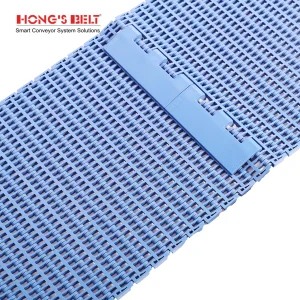
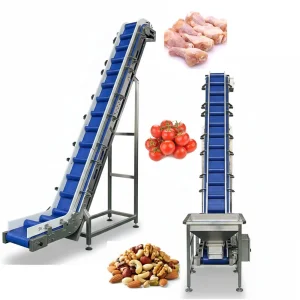
Food manufacturing demands high standards of hygiene. Belts carrying sticky confectionery, greasy proteins, or wet vegetables require food-grade cleaners. Modular conveyor belts must be paired with scrapers made of FDA-approved UHMW-polyethylene or food-grade polyurethane. These systems prevent material build-up, simplify washdown procedures, and resist chemical cleaning agents, reducing the risk of microbial contamination.
In package distribution centers and e-commerce sorting hubs, quiet operation and clean tracking are essential. Belts running at high speeds can suffer from tracking shifts if packaging dust accumulates on return rollers. Lightweight, low-profile secondary scrapers or static brush cleaners effectively sweep away paper dust and adhesive residue, keeping high-speed sorting lanes running smoothly.
Dongguan Trakkx Tech Co., Ltd. is a professional China conveyor belt manufacturer specializing in industrial material handling and conveying solutions for a wide range of industries worldwide. With years of experience in conveyor technology, we provide reliable, efficient, and customized conveyor systems that help businesses optimize production processes, improve workflow efficiency, and reduce operational costs.
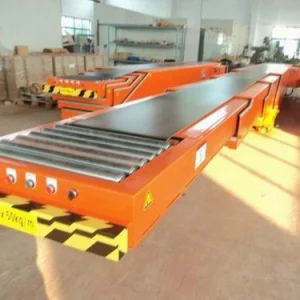
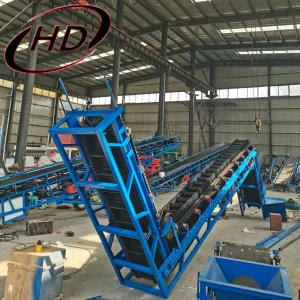
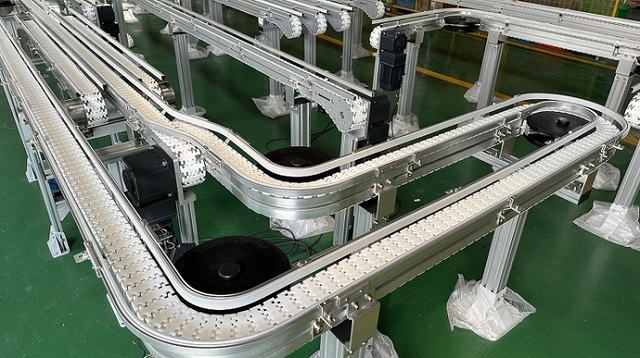
Our product portfolio includes conveyor belts, belt conveyor systems, modular conveyors, roller conveyors, inclined conveyors, assembly line conveyors, packaging conveyors, and customized material handling equipment. Designed to meet the demanding requirements of modern manufacturing environments, our solutions are widely used in logistics, food processing, electronics, automotive, warehousing, packaging, pharmaceuticals, and industrial production facilities.
At Trakkx Tech, we combine engineering expertise with advanced manufacturing capabilities to deliver high-performance conveying systems tailored to specific customer applications. Our experienced technical team works closely with clients throughout the entire process, from project consultation and system design to prototyping, production, installation support, and after-sales service.
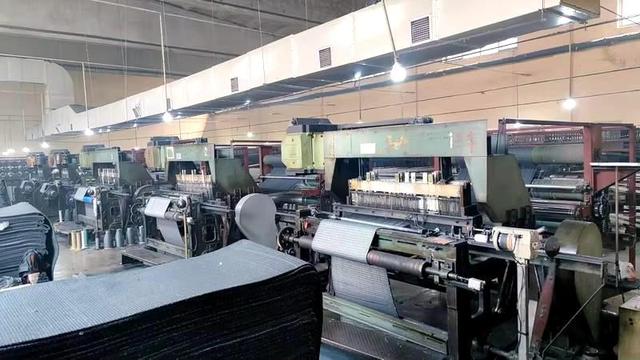
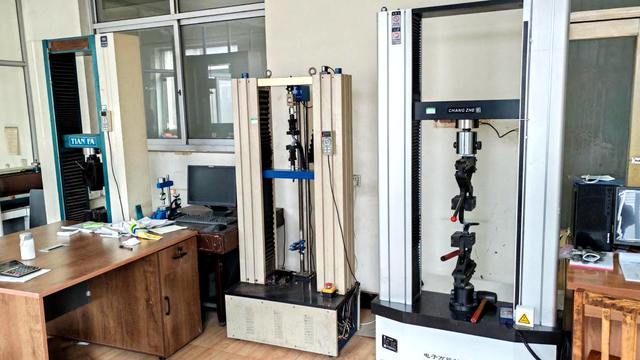
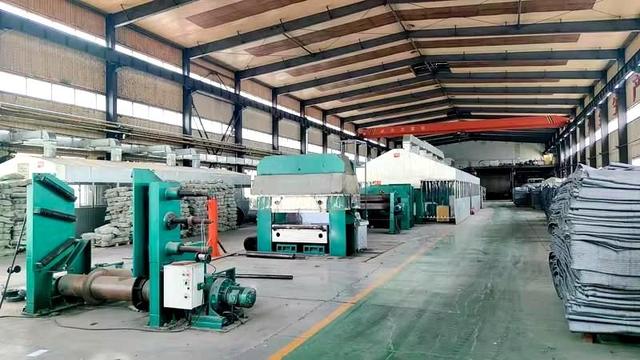
Our manufacturing facility is equipped with modern production equipment and strict quality control systems to ensure durability, reliability, and consistent performance. Every conveyor solution undergoes comprehensive testing and inspection before delivery, helping customers achieve smooth and uninterrupted material handling operations.
In addition to standard products, Dongguan Trakkx Tech Co., Ltd. offers flexible OEM and ODM services for global distributors, system integrators, equipment manufacturers, and industrial brands. We are committed to providing innovative conveying solutions that adapt to evolving industry needs and support long-term business growth.
Serving customers across North America, Europe, Southeast Asia, the Middle East, and other international markets, Trakkx Tech has established a reputation for quality, efficiency, and customer-focused service. Our mission is to become a trusted global partner for advanced conveyor belt systems and intelligent material handling solutions.
Premium components and systems engineered to keep your production lines moving
 Trakkx Tech