Cleated High Inclination Belt Conveyor - Anti-Slip for Bulk & Powdery Materials

Product Description

Belt Conveyor Banner
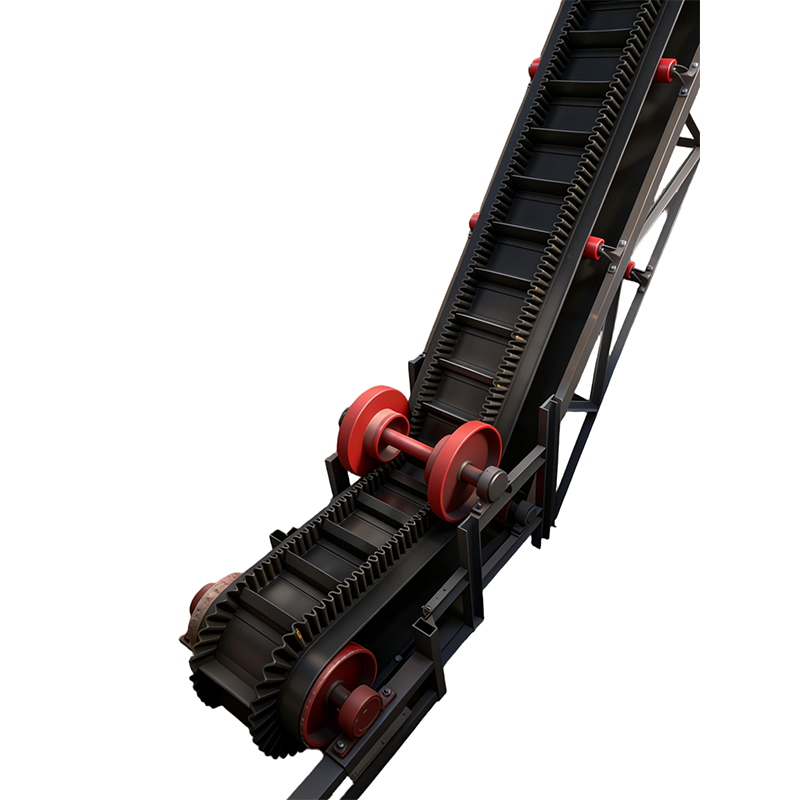
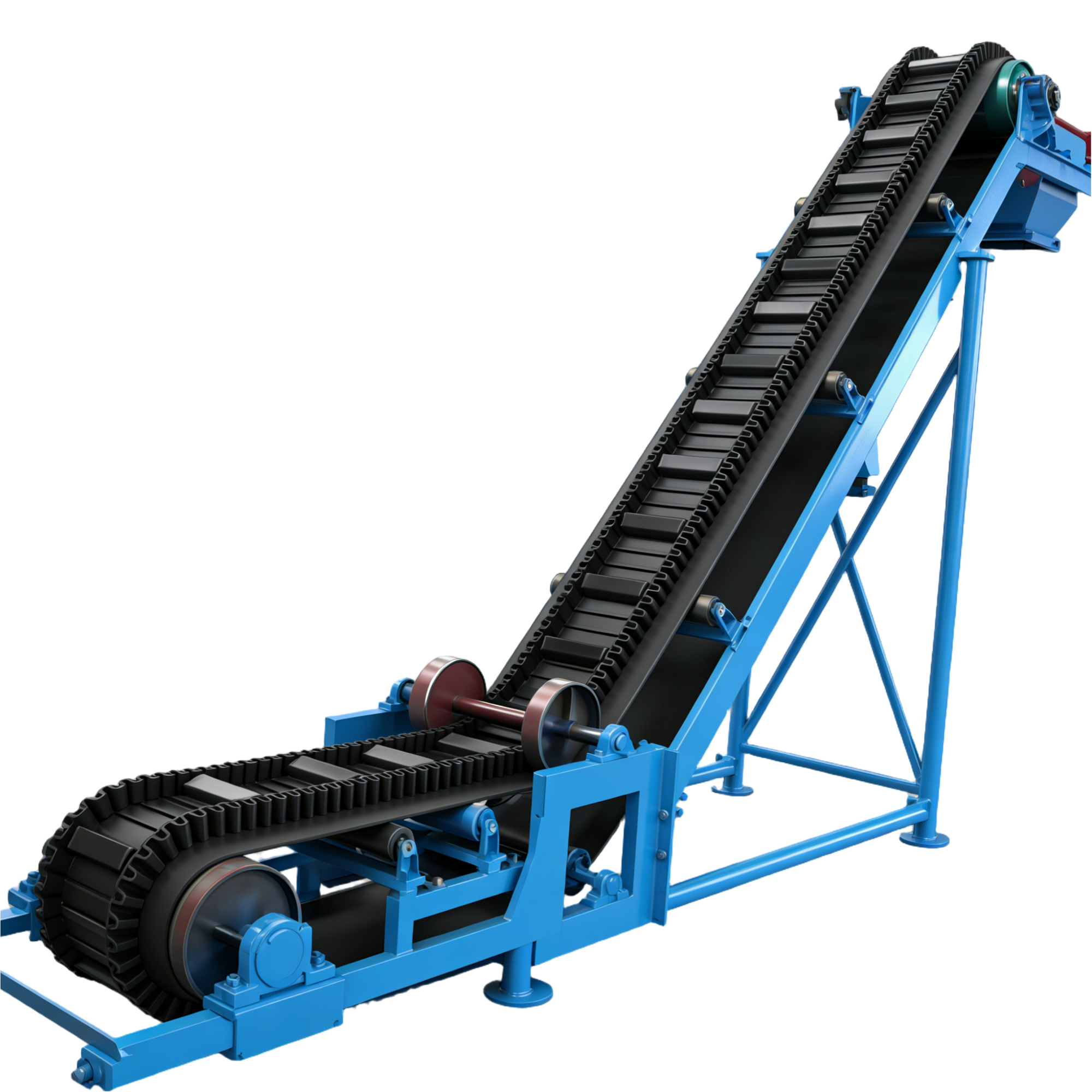
DJ·JB Type Large Incline Belt Conveyor
DJ JB Belt Conveyor Overview
Belt Width (B) (mm) Sidewall Height (mm) Belt Speed (m/s) Inclination Angle β(°) Conveying Capacity (m³/h) Power (kW)
300 40 0.8-2.0 30-90 18 1.5-18.5
60 24
80 40
400 60 0.8-2.0 34 1.5-18.5
80 60
100 80
500 80 0.8-2.0 84 1.5-18.5
100 112
120 98
650 100 0.8-2.0 30-90 150 1.5-2.2
120 140
160 186
800 120 0.8-2.5 318 2.2-4.5
160 360
200 428
1000 160 1.0-2.5 463 4.0-7.5
200 683
240 555
1200 200 1.0-3.15 765 5.5-110
240 1077
300 1398
1400 200 1.0-3.15 920 5.5-160
240 1298
300 1657
400 2381
1600 200 1.25-3.15 1074 5.5-160
240 1515
300 1953
400 2807
1800 240 1.25-4.0 - 2200 7.5-165
300 2724
400 4106
500 5368
2000 240 1.25-4.0 2436 11-220
300 3220
400 4648
500 5736
2200 300 1.25-4.0 3612 18.5-280
400 5102
500 6432
630 7820
2400 300 1.25-4.0 3992 18.5-400
400 5736
500 7132
630 8668
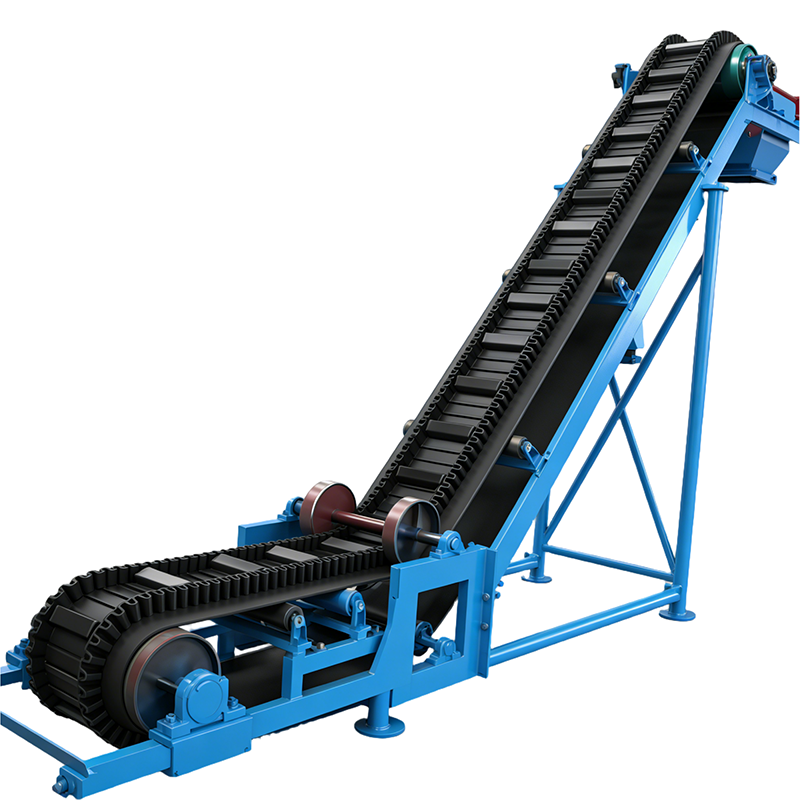
Conveyor Outline Drawing
Product Features
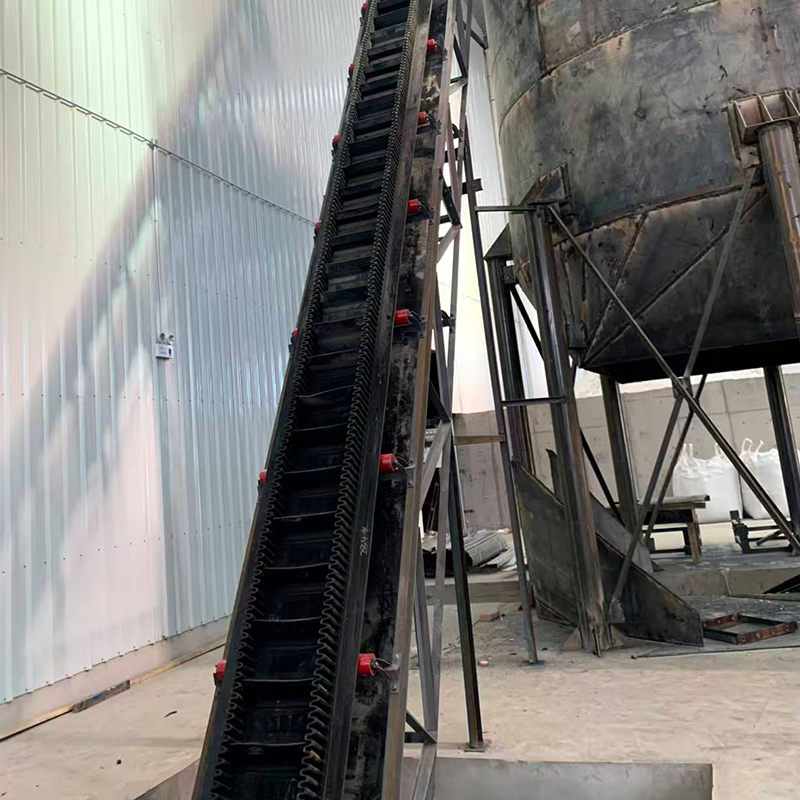
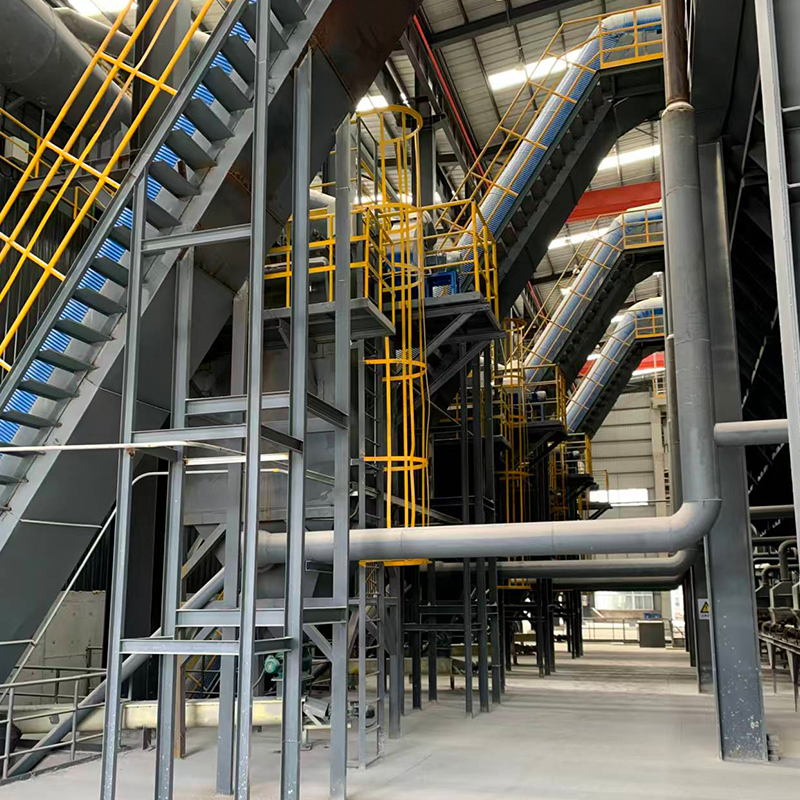
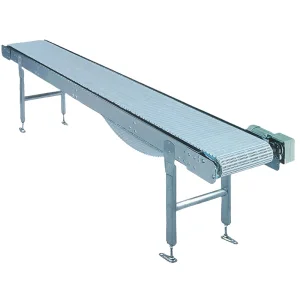
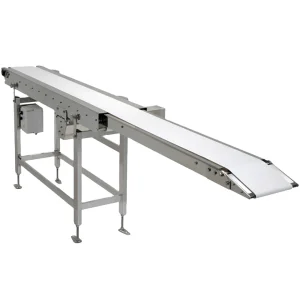
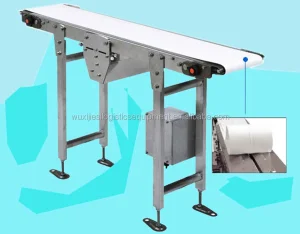
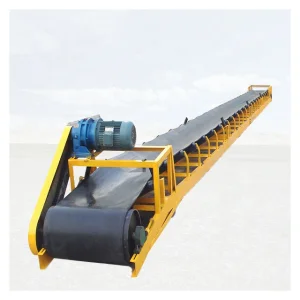
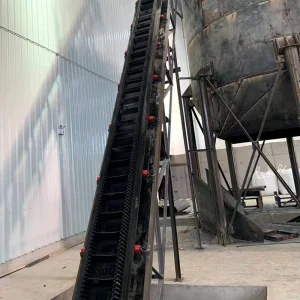
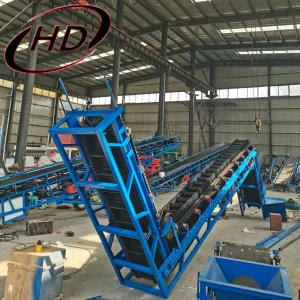
It is widely used in metallurgy, coal, transportation, hydropower and other sectors for conveying bulk or piece materials, thanks to its advantages of low maintenance cost and strong versatility. According to the requirements of conveying processes, it can be operated as a single unit, or multiple units can be combined with other conveyors to form a horizontal or inclined conveying system.
Conveyor in Operation
Conveyor Components Directory Line Conveyor Products
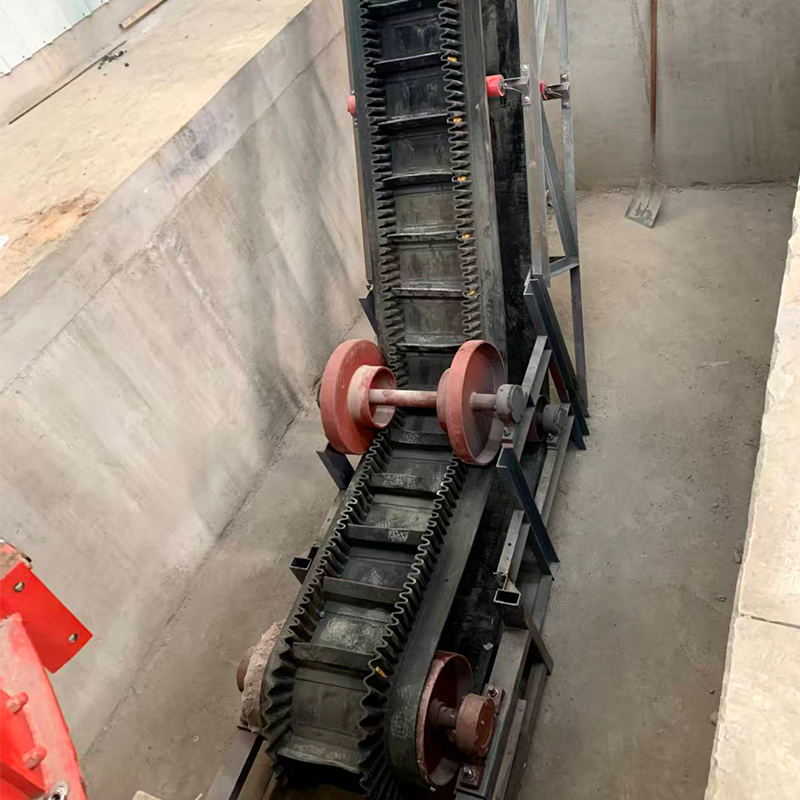
Detail 1 Detail 2
Detail 3 Detail 4
Manufacturing Range
Frequently Asked Questions
What are the primary applications of the DJ·JB Type Large Incline Belt Conveyor?
This equipment is highly widely applied in industries such as metallurgy, coal mining, chemical manufacturing, transportation, and hydropower. It is ideal for conveying bulk or grouped materials efficiently, especially where steep incline transitions are required.
What is the advantage of using a sidewall belt conveyor over a standard flat belt conveyor?
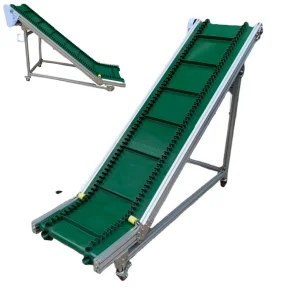
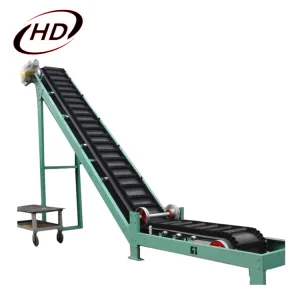
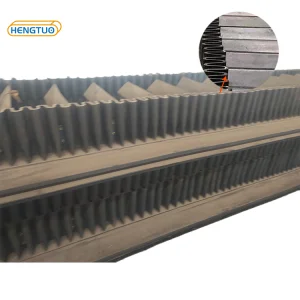
The corrugated sidewalls and transverse cleats prevent material from spilling and sliding backward during steep-angle conveying. This allows vertical or high-inclination (up to 90 degrees) transportation, saving valuable ground footprint in industrial layouts.
How is the conveying capacity of the belt determined?
The capacity depends directly on the belt width (ranging from 300mm to 2400mm), the height of the corrugated sidewall (40mm to 630mm), and the running belt speed (typically between 0.8 m/s and 4.0 m/s). Refer to our technical specifications table to match your processing parameters.
Can this conveyor be integrated with auxiliary equipment?
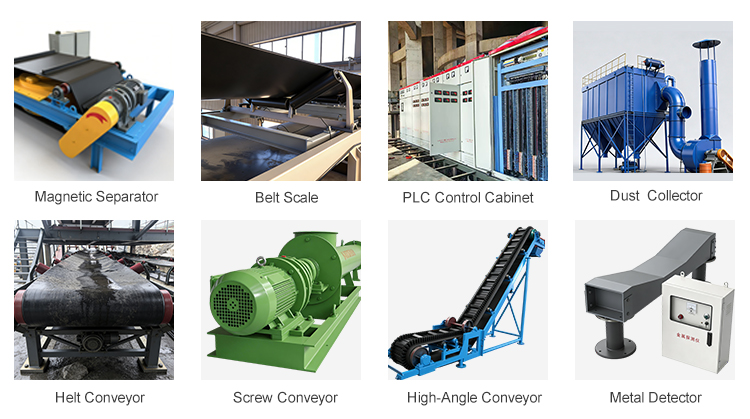
Yes, it features high versatility and can operate as a standalone unit or integrate seamlessly into a broader handling system featuring magnetic separators, belt scales, dust collectors, and PLC control units.
Is the conveyor low maintenance?
Absolutely. The robust structural design and modular configuration translate to minimized operational wear, lower maintenance requirements, and overall reduced lifecycle expenses.

Related Products