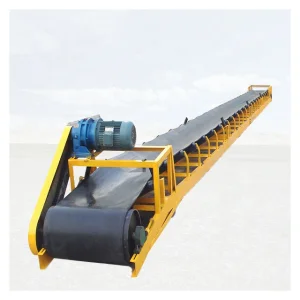
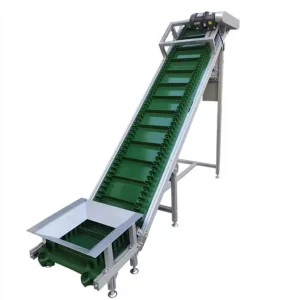
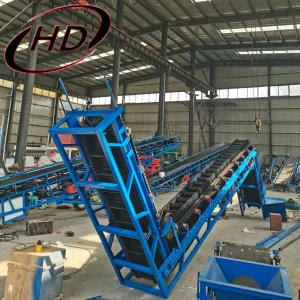
Premium structural options designed to save factory floor footprint while maintaining continuous high-volume vertical throughput.
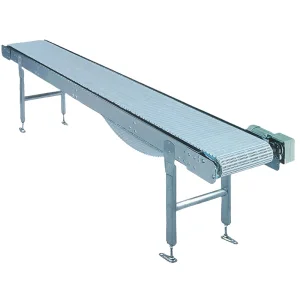
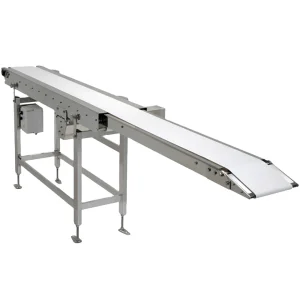
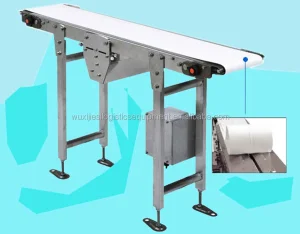
Japan's industrial and logistics ecosystem is currently navigating a period of unprecedented transformation. The convergence of severe labor shortages, high urban land prices, and ambitious sustainability targets has forced manufacturers in regions like Tokyo, Osaka, and Nagoya to search for revolutionary space-optimizing and labor-saving machinery. Traditional horizontal conveying systems require massive physical footprints that modern Japanese factories simply cannot afford.
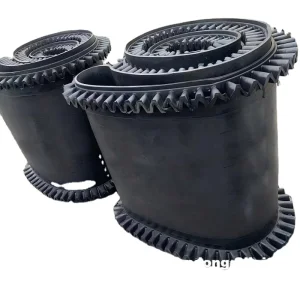
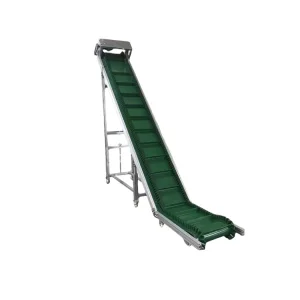
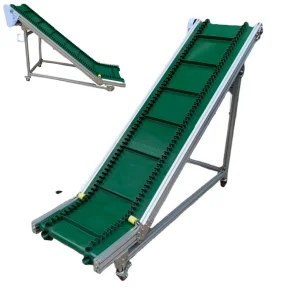
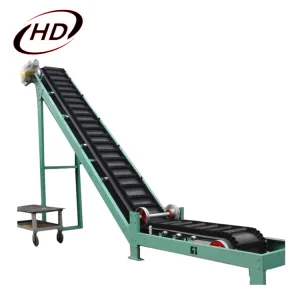
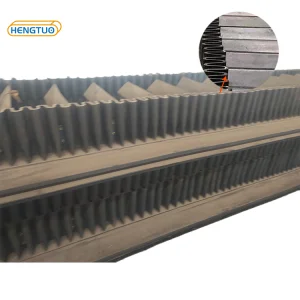
Cleated conveyor belts (also known as pocket belts or steep incline sidewall belts) have emerged as the standard solution for steep-angle (up to 90 degrees) vertical transport. By incorporating vulcanized cleats and flexible corrugated sidewalls, these systems allow bulk and unit materials to be lifted vertically without spilling. This eliminates the necessity of long horizontal runs or low-incline bridges, effectively reducing the factory space footprint of material transit by up to 60%.
To maintain reliable throughput in challenging environments—such as high-temperature food baking facilities in Kyoto or heavy aggregate mining sectors in Hokkaido—the belt's mechanical structure must be meticulously engineered. Standard rubber or PVC belts fail when subjected to localized stress at steep angles. Dongguan Trakkx Tech Co., Ltd. addresses these engineering challenges by customizing the three key parameters of cleated systems:
High transverse rigidity is essential to prevent bowing or sagging at the return run. We use cross-stabilized polyester (EP) or steel cord reinforced plies to ensure maximum lateral stiffness and minimal longitudinal elongation.
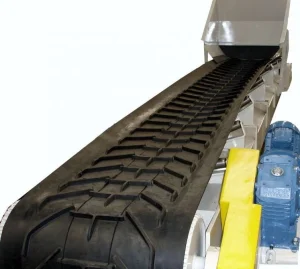
Our T-cleats are ideal for low inclinations, while C-cleats (scoop style) are configured for steep slopes up to 45 degrees. For extreme vertical movements (45 to 90 degrees), we implement wear-resistant TC-cleats with embedded reinforcing ribs.
To prevent spillage, flexible corrugated sidewalls are hot-vulcanized directly onto the base belt. This design allows the belt to bend smoothly over return pulleys while remaining exceptionally rigid against lateral pressures.
"In modern Japanese logistics and recycling plants, downtime translates to catastrophic profit loss. High-performance cleated belts manufactured with heat-cured polyurethane (PU) or food-safe nitrile rubber provide the chemical resistance and dimensional stability required to keep processes running continuously."
Optimized configurations engineered for specific material conveying challenges, from granular powders to high-pitch agriculture.
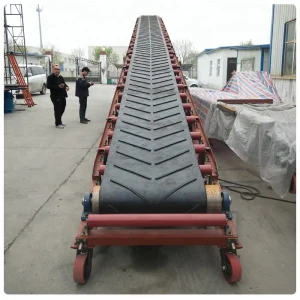
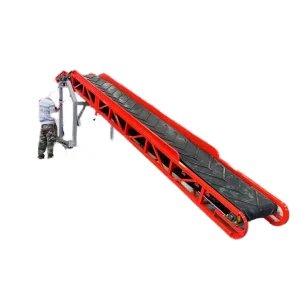
For Japanese industrial buyers and global engineering procurement groups, sourcing cleated conveyor belts involves balancing high-quality Japanese specifications with cost-effective production capacity. Dongguan Trakkx Tech Co., Ltd., based in China's manufacturing heartland, bridges this gap. We combine advanced machinery manufacturing and raw material scaling with strict adherence to Japanese quality systems.
This collaboration model provides significant advantages for businesses looking to source high-performance material handling solutions:
Every conveyor system is customized from scratch using AutoCAD and SolidWorks to fit existing production plant parameters. Our technical department designs custom pitches, cleat shapes, and chemical properties of the rubber/PU raw materials based on the client's material data (bulk density, temperature, abrasive qualities).
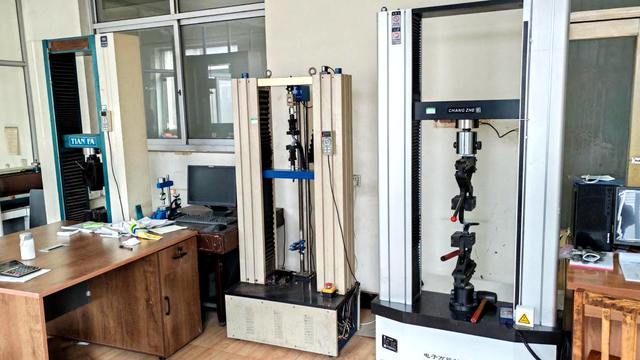
Before shipping, every product undergoes testing to evaluate load capacities, tracking precision, and high-velocity stress limits. We ensure our materials conform to Japanese food sanitation laws (under the Food Sanitation Act) and standard JIS physical strength requirements.
By leveraging China's dense industrial supply chain, we procure top-tier polymers, structural steel frames, and motor components at reduced costs. This translates to a direct 30% to 50% capital expenditure reduction compared to purchasing systems locally manufactured in Japan, without sacrificing long-term operational reliability.
We provide extensive global logistics and custom customs Clearance support for Japan. Detailed video documentation, 3D installation blueprints, and 24/7 technical hotlines ensure seamless installation in Yokohama, Osaka, Kobe, and beyond.
At Dongguan Trakkx Tech Co., Ltd., we combine engineering expertise with advanced manufacturing capabilities to deliver high-performance conveying systems tailored to specific customer applications. Our experienced technical team works closely with clients throughout the entire process, from project consultation and system design to prototyping, production, installation support, and after-sales service.
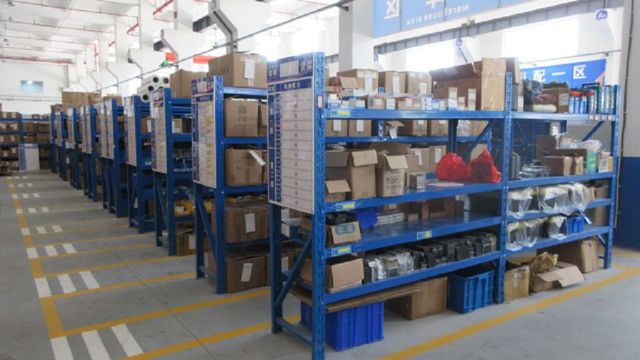
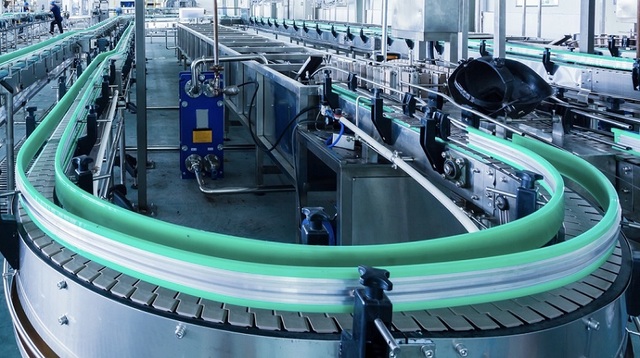
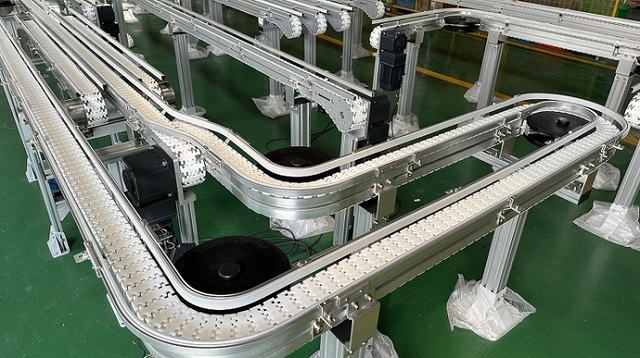
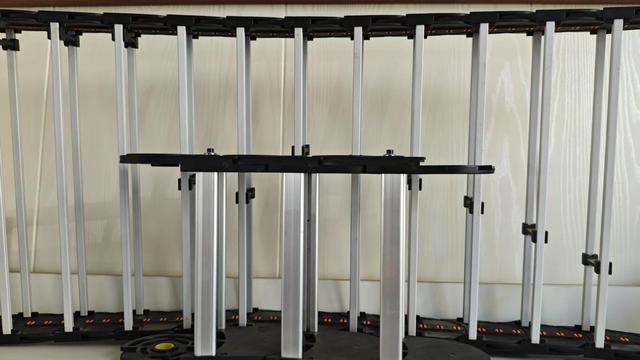
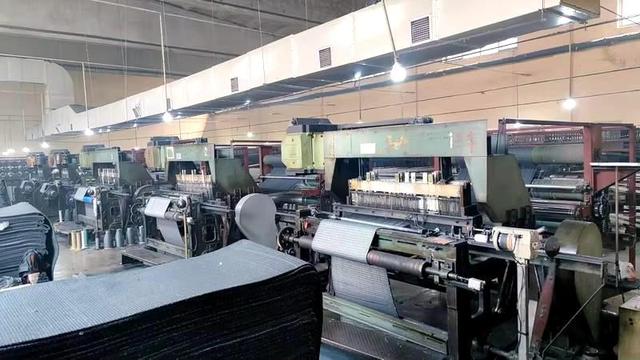
Our manufacturing facility is equipped with modern production equipment and strict quality control systems to ensure durability, reliability, and consistent performance. Every conveyor solution undergoes comprehensive testing and inspection before delivery, helping customers achieve smooth and uninterrupted material handling operations.
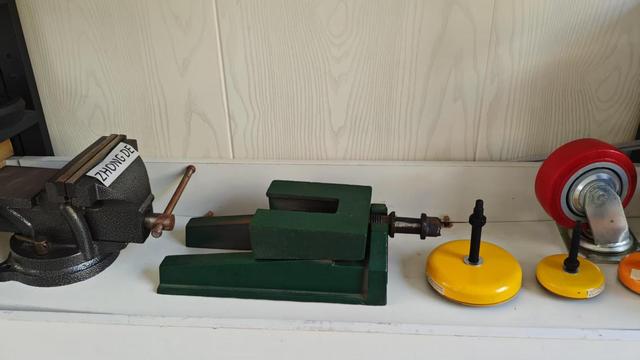
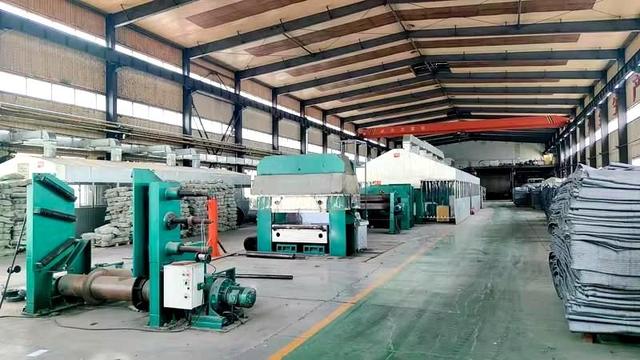
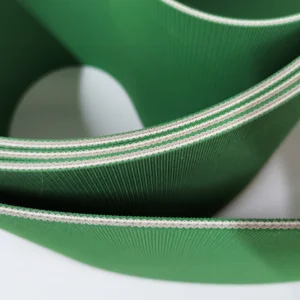
Heavy-duty rubber, anti-slip PVC, nitrile-coated, and canvas-belt options configured for diverse factory sectors.
Operating within Japan's industrial economy means conforming to strict government regulations and environmental laws. Our engineering department ensures that every conveyor component exported to Japan complies with key regulatory bodies:
The integration of Industrial Internet of Things (IIoT) sensors is changing conveyor operations. High-tech factories in Tokyo and Shizuoka are increasingly adopting smart monitoring technologies. Trakkx Tech is actively researching and integrating the following technologies to keep our clients ahead:
Predictive Maintenance Integration: Embedded thermal sensors and laser belt-tracking sensors monitor real-time alignment and structural wear. By alerting operators before mechanical fatigue leads to tear-offs, companies can shift from reactive maintenance to planned predictive repair cycles, reducing unscheduled operational shutdowns.
Technical answers addressing common questions regarding steep-incline applications in modern plant operations.
Depending on the material characteristics (size, flowability, moisture), our corrugated sidewall cleated belts can transport bulk materials at angles up to 90 degrees. This vertical setup saves significant floor space compared to conventional flat belt systems.
We manufacture our food-grade belts using food-safe polyurethane (PU) and nitrile rubber. These materials undergo strict laboratory testing to ensure zero chemical migration, fully complying with both Japan's Food Sanitation Act and US FDA standards.
For powders and fine-grained materials on inclines steeper than 40 degrees, we recommend a TC-cleat (scoop profile with reinforcing ribs) paired with corrugated sidewalls to prevent material fallback and spillage.
Custom design and engineering takes 3-7 days. Production is completed within 15-20 days, and sea freight shipping to major ports like Tokyo, Osaka, or Kobe typically takes 7-10 days, allowing for fast, reliable delivery.
We supply comprehensive 3D layout drawings, installation guides, and high-definition setup videos. For large-scale integration projects, our team works closely with local Japanese engineering contractors to provide remote and on-site support.
By using high-elasticity rubbers and low-friction bottom fabric plies, we reduce the torque required by conveyor drive motors. This minimizes mechanical drag and can lower power consumption by up to 15%.
Optimize your factory footprint with custom-engineered cleated conveyor belts. Get in touch with our engineering team for a detailed quotation and system layout assessment.
Send Inquiry Now Trakkx Tech