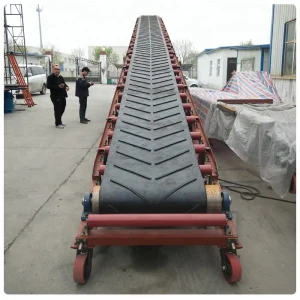
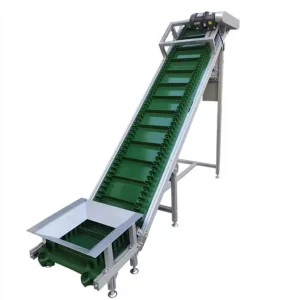
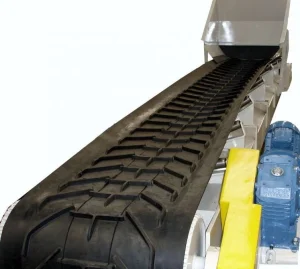
Premium specialized cleated belts engineered for complex structural layouts and high-performance material elevation.
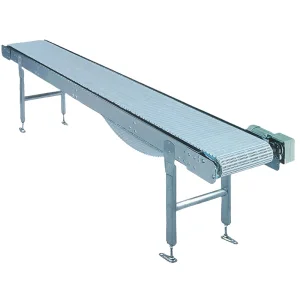
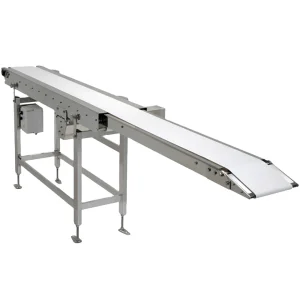
Sudan's raw material processing, mining, and agricultural supply chains are undergoing structural modernization. From the gold-rich mountainous districts of the Red Sea Hills to the fertile agricultural expanses of Al Jazirah between the Blue and White Niles, regional developers require heavy-duty conveying systems that can survive and thrive in challenging environments.
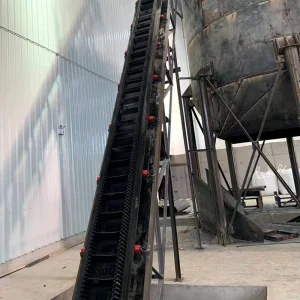
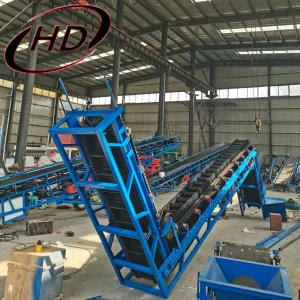
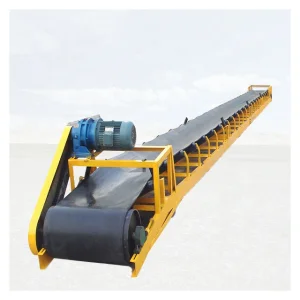
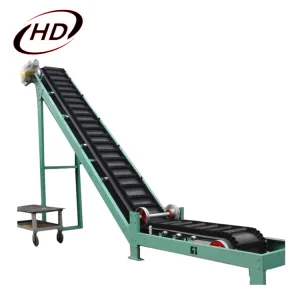
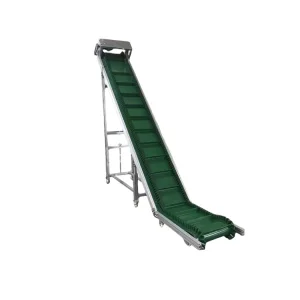
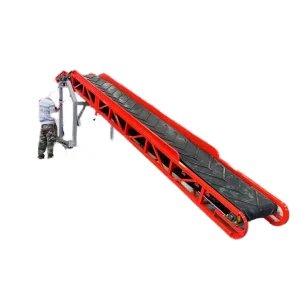
Modern operations in Port Sudan, Khartoum, and Atbara rely heavily on mechanized vertical and inclined transport to mitigate high labor costs, reduce material degradation, and maintain rapid bulk loading cycles. Cleated conveyor belts serve as the vital arterial pathways in these configurations, facilitating the steep-angle elevation of ores, agricultural grains, and construction aggregates without backslip.
Primary Industrial Challenges in Sudan:
Choosing the correct profile geometry is critical to operational stability and throughput optimization.
| Cleat Type | Profile Height Range | Optimal Incline Angle | Key Material Compatibility | Sudan Industrial Application |
|---|---|---|---|---|
| T-Cleat (Standard Straight) | 20mm – 120mm | 0° to 30° | Fine grains, powders, non-cohesive bulk | Wheat, Sesame processing, Gum Arabic sorting |
| C-Cleat (Curved Scoop) | 35mm – 110mm | 25° to 45° | Wet materials, high-density soils, fertilizers | Agricultural crop washing, Nile silt handling |
| TC-Cleat (T-Cleat with Base Webbing) | 50mm – 140mm | 35° to 75° | Aggregates, heavy crushed stones, municipal waste | Quartz quarrying, Gold mine waste removal |
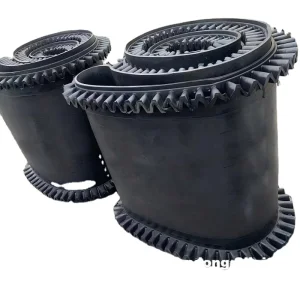
| Sidewall + Cleat (Pocket Configuration) | 40mm – 300mm | Up to 90° (Vertical) | Highly free-flowing dry bulk materials | Vertical cement plant elevators, underground shaft mining |
Modern material handling facilities are increasingly transitioning toward space-optimized system designs. Conventional horizontal conveyors take up significant floor area. The global transition to steep-angle and vertical pocket conveyors has allowed companies to reduce mechanical installation footprints by up to 60%.
Additionally, green initiatives mandate the implementation of low-rolling-resistance (LRR) rubber compounds to lower power draw on high-horsepower motors, reducing operating costs globally.
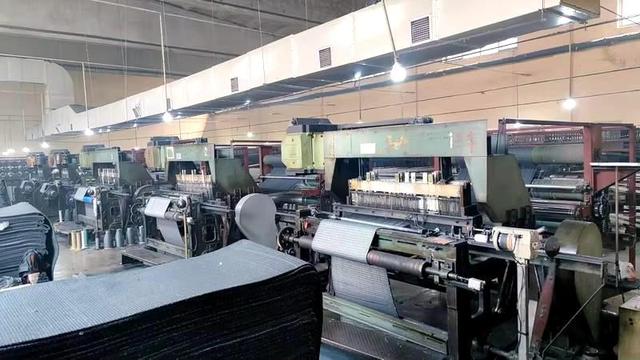
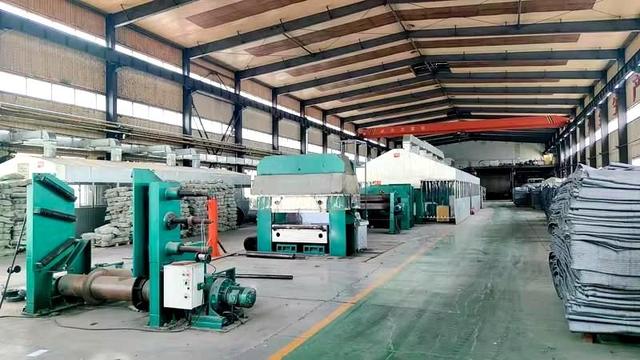
As a leading conveyor belt manufacturing cluster, China combines deep raw material supply chains with cutting-edge vulcanization technologies. At Dongguan Trakkx Tech Co., Ltd., we utilize advanced automated manufacturing machinery to apply hot-vulcanized cleats and sidewalls directly to base belts, providing up to 4 times the bonding strength of cold-glued variants.
This automated, high-volume production ecosystem translates directly to faster lead times, predictable quality standards, and cost-efficient customization for complex projects in emerging markets like Sudan.
Your Trusted Partner for Intelligent Material Handling and High-Durability Belt Systems
Dongguan Trakkx Tech Co., Ltd. is a professional China conveyor belt manufacturer specializing in industrial material handling and conveying solutions for a wide range of industries worldwide. With years of experience in conveyor technology, we provide reliable, efficient, and customized conveyor systems that help businesses optimize production processes, improve workflow efficiency, and reduce operational costs.
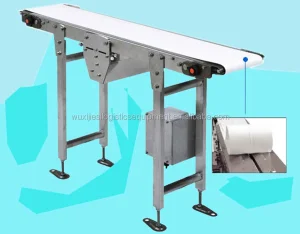
Our product portfolio includes conveyor belts, belt conveyor systems, modular conveyors, roller conveyors, inclined conveyors, assembly line conveyors, packaging conveyors, and customized material handling equipment. Designed to meet the demanding requirements of modern manufacturing environments, our solutions are widely used in logistics, food processing, electronics, automotive, warehousing, packaging, pharmaceuticals, and industrial production facilities.
At Trakkx Tech, we combine engineering expertise with advanced manufacturing capabilities to deliver high-performance conveying systems tailored to specific customer applications. Our experienced technical team works closely with clients throughout the entire process, from project consultation and system design to prototyping, production, installation support, and after-sales service.
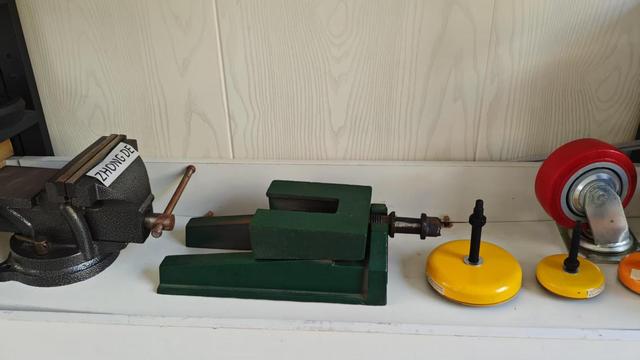
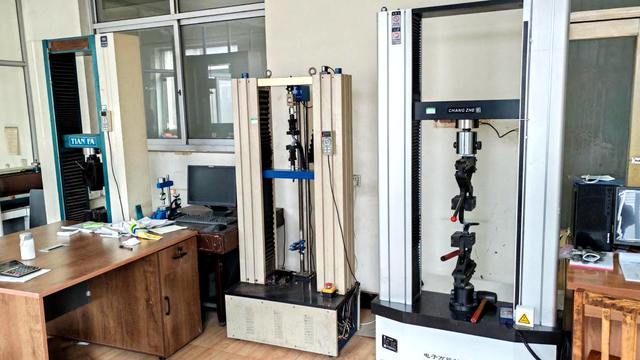
Our manufacturing facility is equipped with modern production equipment and strict quality control systems to ensure durability, reliability, and consistent performance. Every conveyor solution undergoes comprehensive testing and inspection before delivery, helping customers achieve smooth and uninterrupted material handling operations.
In addition to standard products, Dongguan Trakkx Tech Co., Ltd. offers flexible OEM and ODM services for global distributors, system integrators, equipment manufacturers, and industrial brands. We are committed to providing innovative conveying solutions that adapt to evolving industry needs and support long-term business growth.
Serving customers across North America, Europe, Southeast Asia, the Middle East, and other international markets, Trakkx Tech has established a reputation for quality, efficiency, and customer-focused service. Our mission is to become a trusted global partner for advanced conveyor belt systems and intelligent material handling solutions.
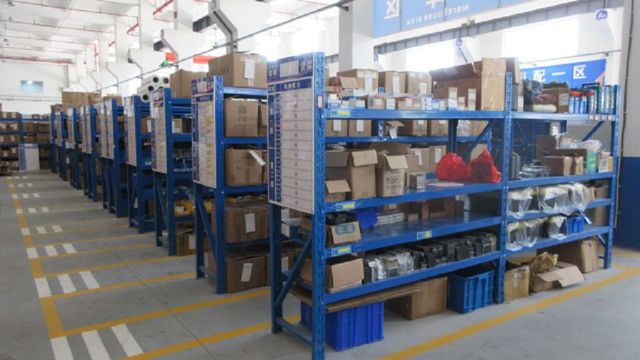
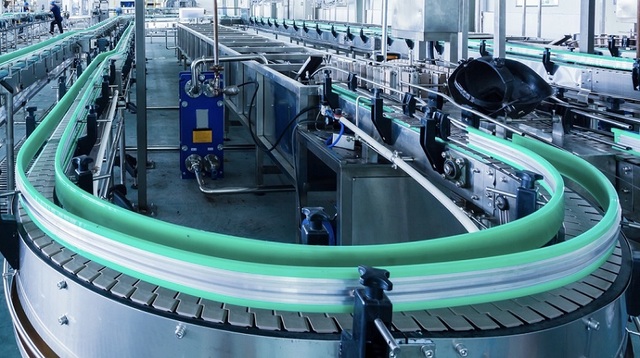
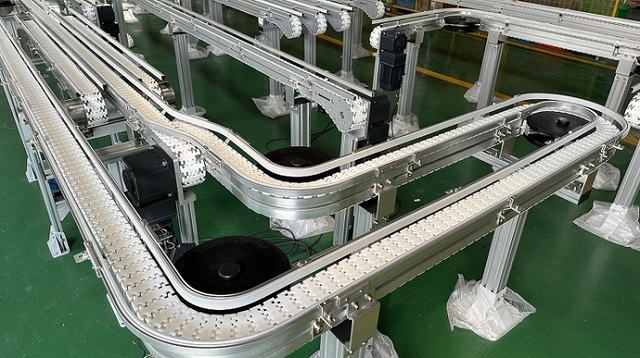
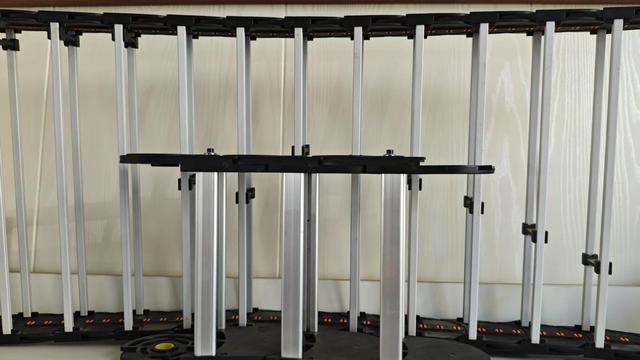
Complete product spectrum covering agricultural loading lines, heat-resistant nitriles, steep-incline anti-slip rubber, and corrugated sidewall belts.
A look at calculations, material slippage limits, and belt tension mechanics for design engineers.
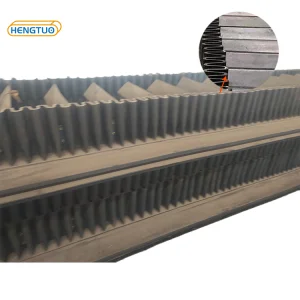
Standard flat belt configurations face thermodynamic and physical limitations when the inclination angle exceeds 15 degrees. Materials with a low coefficient of static friction, such as dry grains or smooth sand aggregates, start backsliding, causing blockages, belt imbalance, and severe material spillage. Integrating horizontal cleats (cleated profiles) and vertical corrugated sidewalls solves this constraint by forming distinct cargo compartments that function as mobile buckets.
Calculating Maximum Conveying Capacity ($Q$):
To calculate the theoretical capacity of a sidewall cleated conveyor belt operating at a steep angle, engineers utilize the following baseline equation:
Where:
Hot Vulcanization vs. Cold Bonding:
In hot desert regions like Sudan, cold chemical adhesives degrade under heat. Standard adhesive bonds oxidize and fail at continuous operating temperatures above 50°C. Dongguan Trakkx Tech implements high-temperature hot vulcanization, where cleats are fused with the base belt under high pressure and temperature in a curing chamber. This creates a homogeneous rubber structure, eliminating delamination failures and extending belt service life by up to 200% under high UV indexes.
Answering key procurement, engineering, and logistics questions for regional partners in Sudan and global markets.
Get in touch with our engineering team for custom drawings, load calculations, and comprehensive price quotes tailored to your industrial setup.
 Trakkx Tech